





















Bring back layaway programs | Allison Zisko
Remember retail layaway programs?
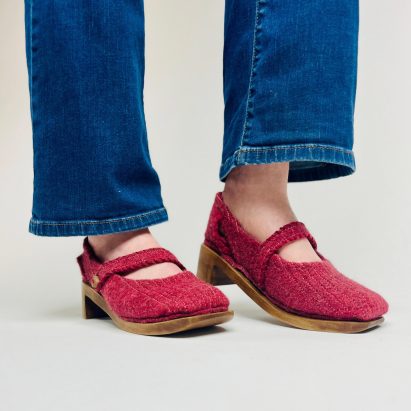
Layaway allowed people to pay for goods over time after making an initial deposit. Customers saved up for each payment and wouldn’t receive the item — whether it was shoes, a household appliance or furniture — until it was paid for in full (a true exercise in delayed gratification). If the customer couldn’t afford to make the payments, the merchandise, still brand-new and unused, went back on the retail shelf to be sold to someone else.
These types of programs became widespread during last century’s Great Depression when many people found themselves cash-strapped, and credit was not readily available. They remained popular for the next 50 years until they were replaced in the 1980s by more widespread credit card use. Walmart revived its layaway program in 2011 during the Great Recession, according to Investopedia, offering it during the holiday season. In 2021, it switched to a buy now, pay later program.
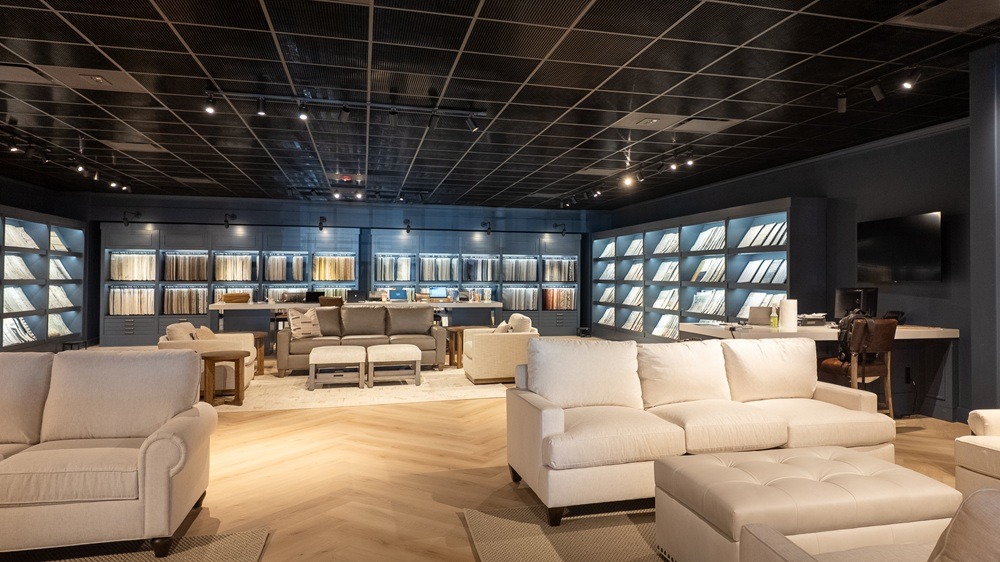
Buy now, pay later (BNPL) loans, which are typically interest-free, are the newest payment darling among many consumers, especially those with lower incomes and little or poor credit history. Although they are sometimes associated with luxury fashion purchases, you could see why they might be an alluring option for furniture purchases among younger consumers — or anyone concerned about their personal finances — and an enticing solution for the home furnishings industry worried about what tariff-induced price hikes might mean for sales next year (our annual state-of-the-industry report on page 37 provides a category-by-category guide to sales expectations).
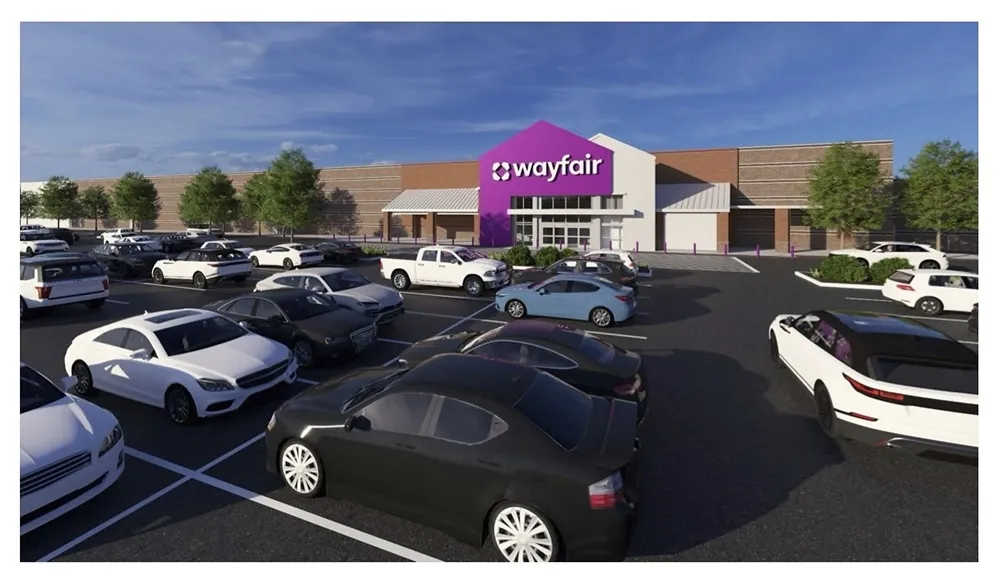
Writer Diane Falvey delved into what buy now, pay later programs might mean in the smaller-ticket world of home accessories and for independent retailers (larger outfits such as Pottery Barn, Ashley and Wayfair, already use them). Her story, which appeared in our November issue, reviews details of some of the payment platforms out there. One benefit for retailers is that they get paid immediately by the financing company, although some BNPL companies charge service fees. Payment platforms also often handle returns. For some retailers, it’s a low-risk way to draw in a younger, aspirational customer and build loyalty.
But there are risks for consumers who choose to shop this way. The New York Times Magazine recently published a story, “The Delirious, Dangerous Rise of ‘Buy Now, Pay Later’,” recounting stories of consumers going deep into debt after BNPL buying sprees. There are TikTok accounts that sing the praises of buy now, pay later and make light of the financial consequences of getting in over your head (there’s even a ‘Klarnamaxxing’ meme named after one of the most popular BNPL providers). On the flip side, there are also accounts that warn of the dangers of paying for everything later (like very high interest rates on some longer-term loans, less regulation and few, if any, spending limits).
Although independent retailers are not responsible for the buying decisions of their customers, let’s bring back layaway plans, which can be implemented easily online or in-store. Same enticement, less chance of financial ruin.
That’s something everyone can look forward to.