


























Weekend shopping numbers point to intentional — not impulse — purchases

HIGH POINT — The results are coming in from organizations that track Black Friday traffic, with some reporting a slowdown for the traditional start to holiday shopping, while Adobe Analytics showed online sales up slightly.
In its initial analysis of Black Friday in-store traffic, Sensormatic Solutions, which captures store visit data, reported retail visits were down 2.1% year-over-year, but were still in line with year-to-date traffic, which is off by 2.2%.
Likewise, RetailNext‘s analysis for Black Friday weekend showed overall U.S. in-store traffic was down by 3.6% on Friday, off by 8.6% on Saturday and continued its negative trend on Sunday, down 5.3%.
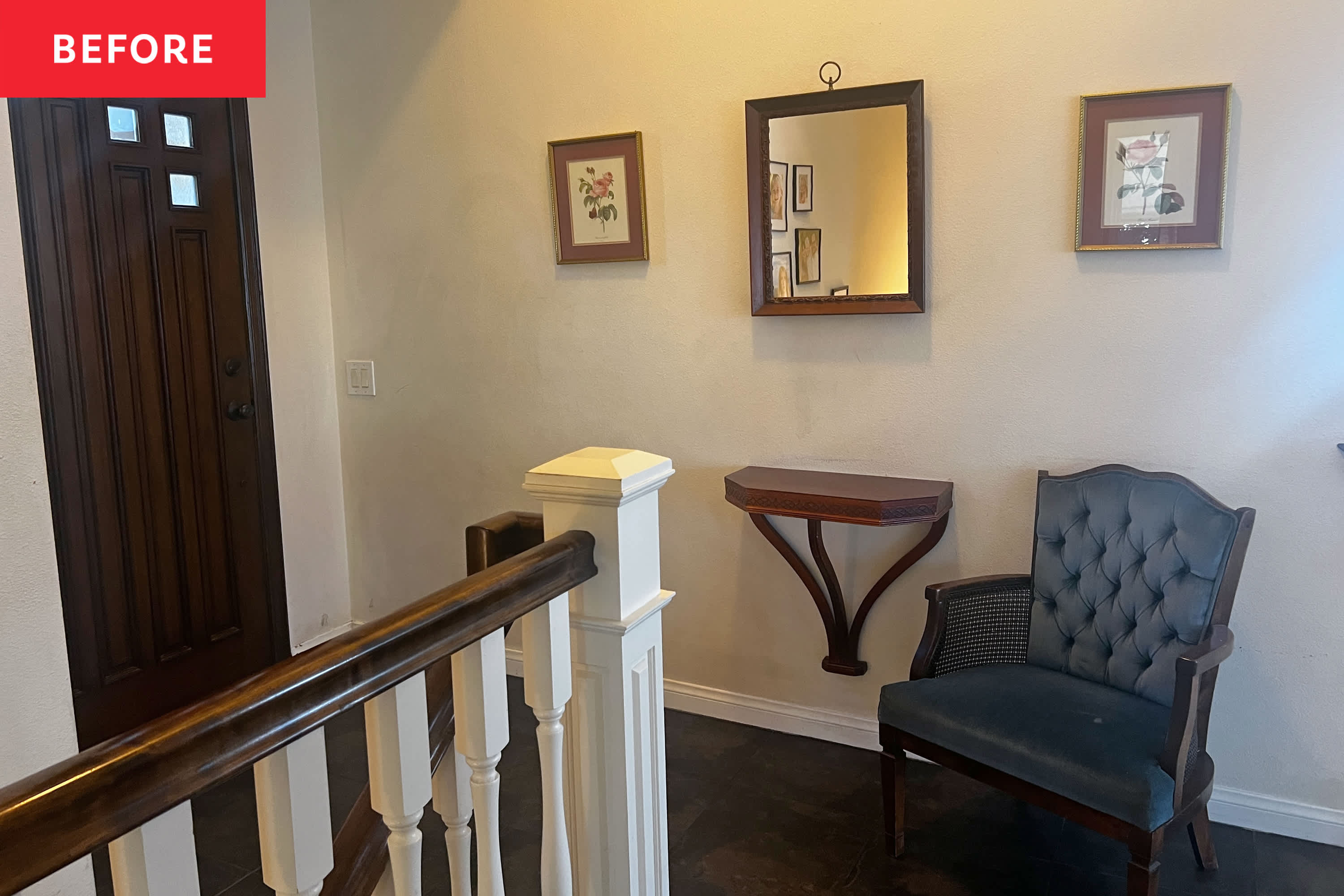
On a category basis, among the five sectors tracked by RetailNext, home saw the biggest dips: down 6.8% on Friday, 15.5% on Saturday and 9.8% on Sunday.
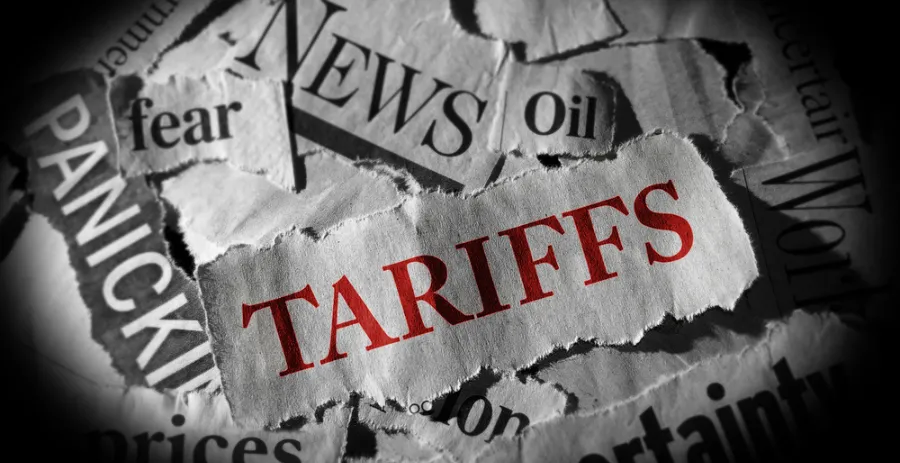
“Black Friday didn’t kill the holiday; it changed how shoppers approached it,” said Joe Shasteen, global head of advanced analytics at RetailNext. He said the decline in foot traffic “wasn’t disinterest, it was intention. Shoppers showed they’re done with the impulse-driven, one-day frenzy. Prices, tariffs and tighter budgets pushed people to shop with discipline, not adrenaline, and they responded by turning Black Friday into a value calculation.”
Sensormatic is predicting the busiest shopping days are still ahead, with the peak expected to come in the final days leading up to Christmas.
An outlier on the slower traffic message was Pass_by, an AI-powered retail insights company that measured in-store visits. Its report on Black Friday found traffic up 1.17% year-over-year, resulting in 53.04 million visits vs. 52.43 million in 2024. Department stores and open-air retail were its big winners. Pass_by also recorded gains for home (up 3.5%) and furniture stores (up 1.9%).
“A 1.17% gain is the definition of a ‘stabilized’ consumer,” said James Ewen, vice president-marketing at Pass_by. “We aren’t seeing the frantic revenge-spending of previous years, but crucially we aren’t seeing a recessionary retreat either. This data paints a picture of an American shopper who is resilient but highly calculated; they are still showing up to physical stores, but their movement is driven by necessity and specific value rather than broad impulse.”
Adobe Analytics put online Black Friday sales at $11.8 billion, up about 9% from 2024’s $10.8 billion. For the 2025, holiday spending online is predicted to reach $253.4 billion vs. $241.1 billion last year.
About $20 billion of this year’s spend will be tied to buy now, pay later, according to Adobe Analytics. It also expects e-commerce traffic from AI sources to soar by more than 500% over last year’s holiday season. For the Nov. 1-28 period, AI-generated traffic was up 805%.