



























first vegan electric car by mercedes-benz uses leather replica without animal fibers
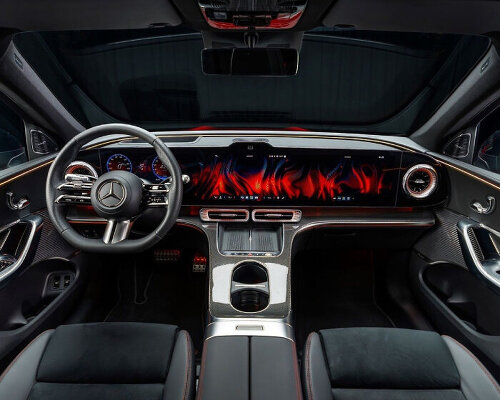
Electric car with vegan interiors by mercedes-benz
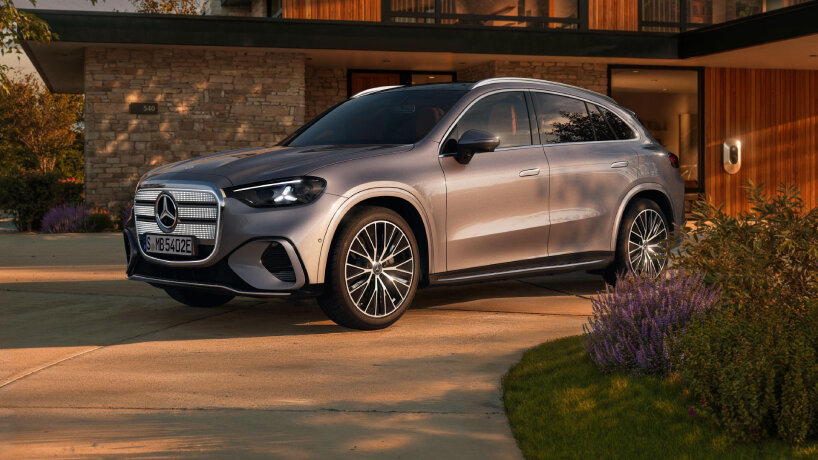
Mercedes-Benz releases the first electric car with vegan interiors that use leather replicas without animal products or fibers. Brought to CES 2026 in Las Vegas, which runs between January 6th and 9th, the car manufacturer’s GLC model is dubbed the first vehicle with vegan fittings in the cabin. At the center of this design is a material called ARTICO, which looks and feels like leather, but it is made without animal products. Mercedes-Benz uses it for seat upholstery, steering wheel covers, and other surfaces people touch often. Alongside this, the company also uses certified vegan textiles and microfiber materials for door trims, pillars, headliners, and carpets.
The textiles used in seats, door trim, pillars, headliners, and other interior areas are fabric materials made without animal fibers, while the microfiber fleece is a synthetic fiber material, which replaces animal-based suede or leather and is used for soft interior surfaces. The textile-based floor and boot carpets are made without wool or other animal-derived fibers and mixed with recycled content. Some interior parts inside the vegan electric car of Mercedes-Benz use synthetic polymers instead of animal-based binders, coatings, or additives, and during production, there are no animal-based glues, dyes, coatings, or processing agents used, says the company.
all images courtesy of Mercedes-Benz
GLC vehicle earns trademark with new biomaterials
For the vegan interiors inside the GLC electric car, Mercedes-Benz worked with The Vegan Society, a globally recognized independent organization. The group tested and audited all the soft-touch materials used in the interiors of the vehicle, including checking the final materials and how they were made. The result is certification under the well-known Vegan Trademark, which is set to appear in the car manufacturer’s vehicle configurator when customers select the Vegan Package for the new GLC. Mercedes-Benz and The Vegan Society reviewed existing interior materials already used in the company’s series of vehicles to see if they contained any animal-based ingredients, even in small amounts like additives, coatings, or processing aids.
If any material showed signs of animal origin, engineers and suppliers worked together to redesign it. After these changes, The Vegan Society conducted a full independent audit. Around 100 different material components from multiple suppliers were reviewed, and to earn the Vegan Trademark, materials had to meet several conditions. They could and should not contain animal products, by-products, or derivatives, as well as not involve animal testing. And manufacturers had to prevent cross-contamination with animal-derived ingredients as much as practically possible. With the new GLC electric car with EQ Technology, Mercedes-Benz is dubbed the first manufacturer to offer a vehicle interior certified with The Vegan Society’s Vegan Trademark. So far, the current vegan interiors for Mercedes-Benz’s GLC electric car are set to be available to the US clients starting the second half of 2026.
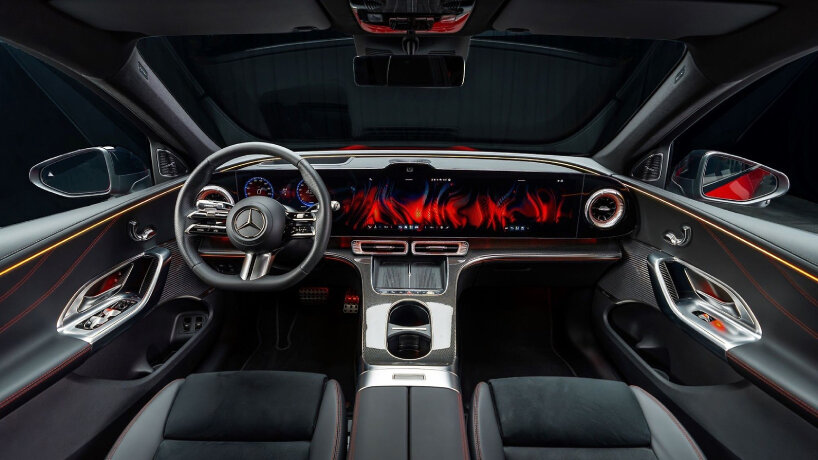
Mercedes-Benz releases the first electric car with vegan interiors that use leather replicas
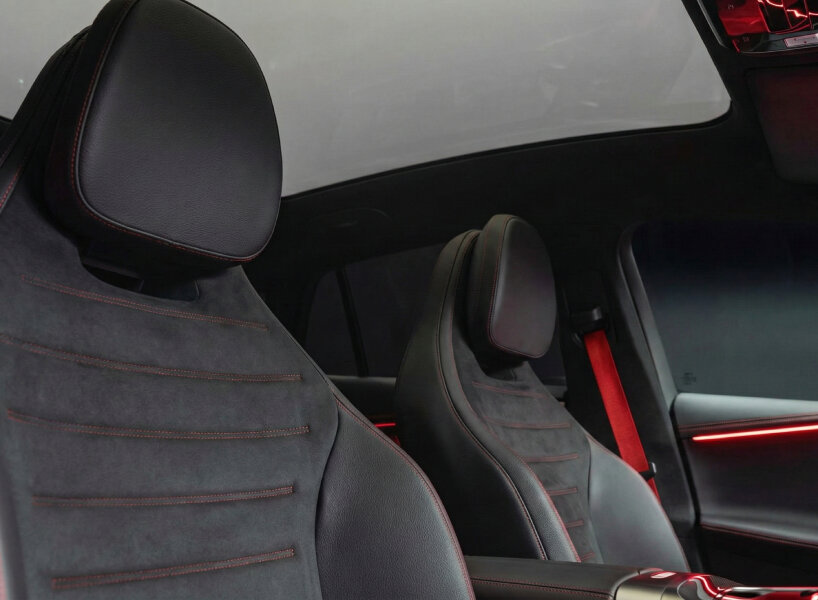
at the center of this design is a material called ARTICO, which looks and feels like leather
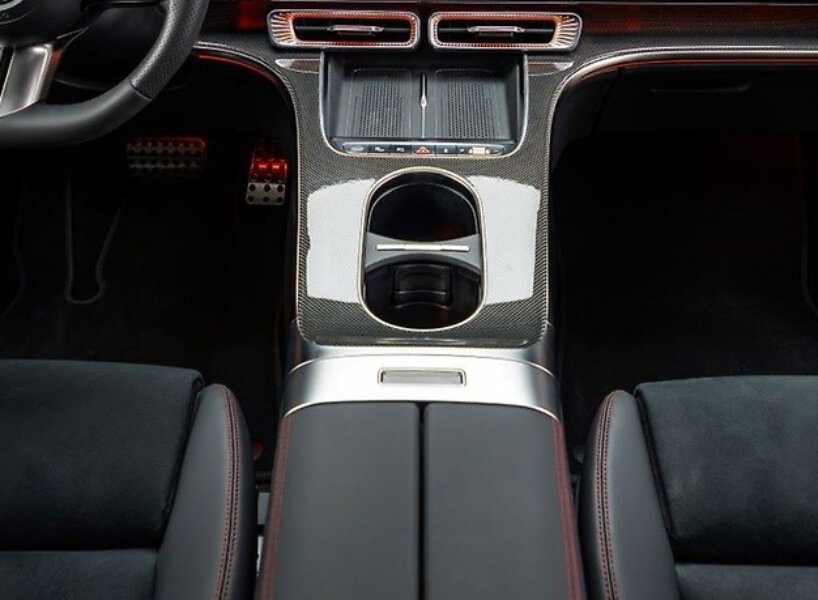
the textiles used in door trim, pillars, and headliners are fabric materials made without animal fibers
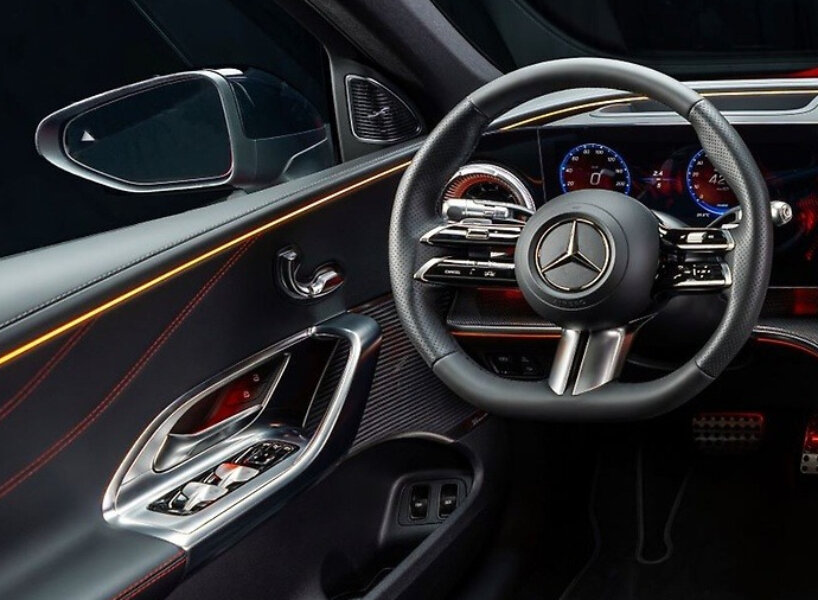
GLC is the car model offered with vegan interior options
project info:
model: GLC
car manufacturer: Mercedes-Benz | @mercedesbenz
The post first vegan electric car by mercedes-benz uses leather replica without animal fibers appeared first on designboom | architecture & design magazine.