







first hotel on the moon plans to use inflatable and stone-like buildings mixed with local soil
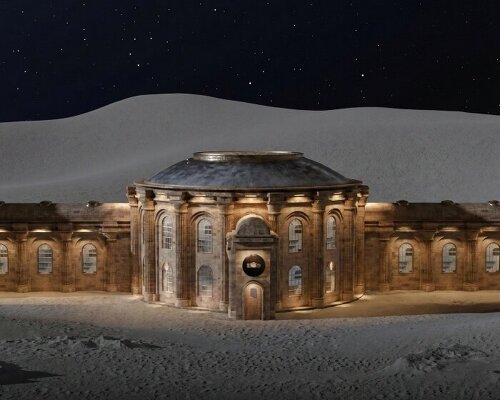
Inflatable structures make up the first hotel on the moon
Galactic Resource Utilization (GRU) Space plans to build the dubbed first hotel on the moon using inflatable and stone-like buildings mixed with local soil. The team believes that space tourism will be the fastest way to start a real economy on the Moon, and by letting people visit and stay there, they can earn money, test new technology, and slowly build the tools needed for long-term human life beyond Earth. They plan to design the first hotel on the moon for short stays instead of long-term accommodation, just for visitors instead of residents.
At first, it will be ‘small, simple, and mostly built on Earth’, but over time, it can grow larger and use materials found directly on the surface. The team adds that the hotel is not just for tourism. It is also a test ground for building bases, roads, storage areas, and other structures that humans will need in space. The design expects to use inflatable structures, similar to space tents, and they are packed tightly into rockets for shipping and then inflated once they reach the Moon. This design allows for weight and space saving during launch.
all images courtesy of GRU Space
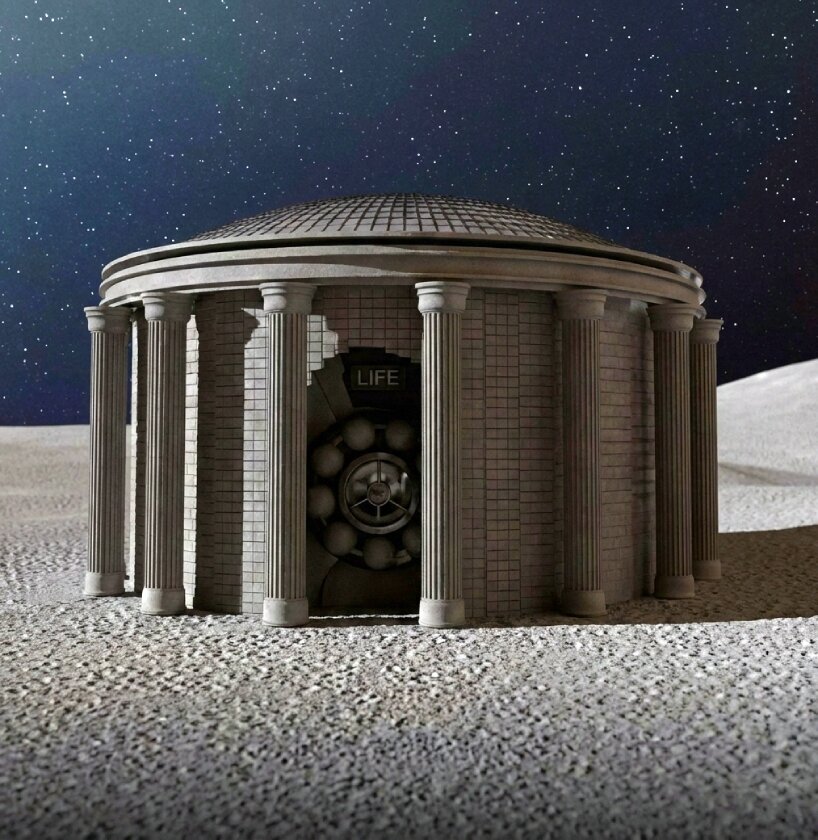
dust with liquids from Earth creates stone-like buildings
Each inflatable structure for the first hotel on the moon has layers, including a protective one so people do not damage the walls. Then there is an airtight layer to keep oxygen inside. On the outside, there are layers that protect against tiny space rocks, radiation, heat, cold, and strong sunlight. The recently founded GRU Space team says that the later versions of the hotel will also use Moon soil, called regolith, to build solid outer walls.
Machines, the team says, will mix Moon dust with binding liquids brought from Earth to create stone-like building material. The main goal of the project is to create a self-sustaining space economy, with the hotel being only the first step. After that, the team wants to build Moon bases, then repeat the process on Mars. Later on, they plan to use space resources instead of constantly sending materials from Earth. In the far future, this could lead to large human settlements across the solar system.
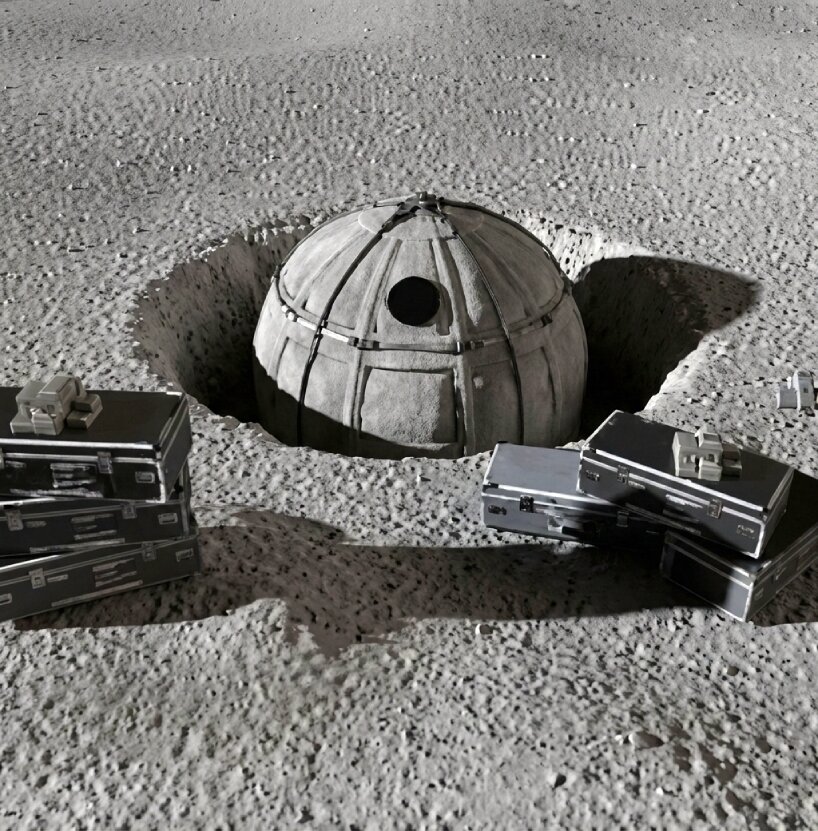
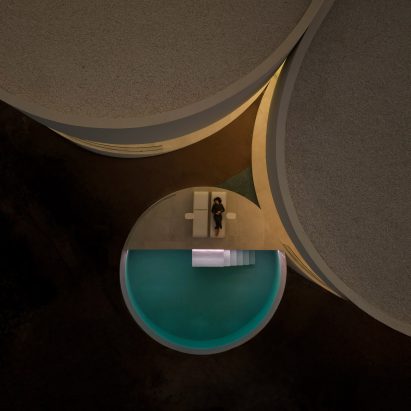
view of the Lunar Cave Base where the inflatable system is deployed
Mission timeline to build the ambitious tourism project
The ambitious project is based on the inflatable space habitats that have already been tested in space. Their timeline begins with the 2029 mission, where a small test module will land on the Moon. It will inflate a tiny version of the hotel to test air pressure, temperature, and radiation protection, as well as test making building material from Moon soil using a small drill and mixing system. The 2031 mission comes next, where the structure will land near a natural hole in the Moon’s surface, called a lunar pit, which can help protect against radiation and extreme temperatures.
A bigger inflatable structure and stronger building machines will be tested, and this mission will also send back the first images from inside a lunar pit. The 2032 mission is when the first real hotel on the Moon is set for deployment. It will be fully built on Earth, then sent to the Moon and inflated. It will host up to four guests and support them with oxygen, water recycling, temperature control, and emergency safety systems. The hotel is designed to last at least 10 years, which will be continued for the fourth mission. It includes the hotel’s expansion using Moon-made materials as well as robots building the solid outer walls around the inflatable living spaces. So far, the team is gearing up to carry out the first part of the mission, set for 2029.
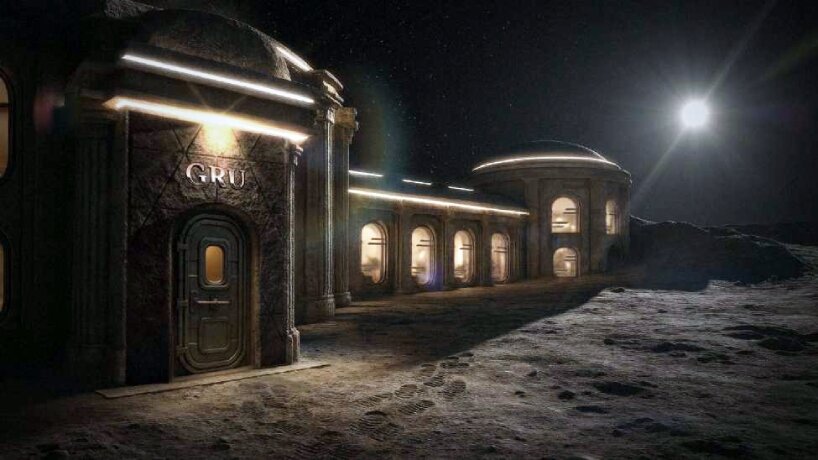
later versions of the project foresee building stone-like structures
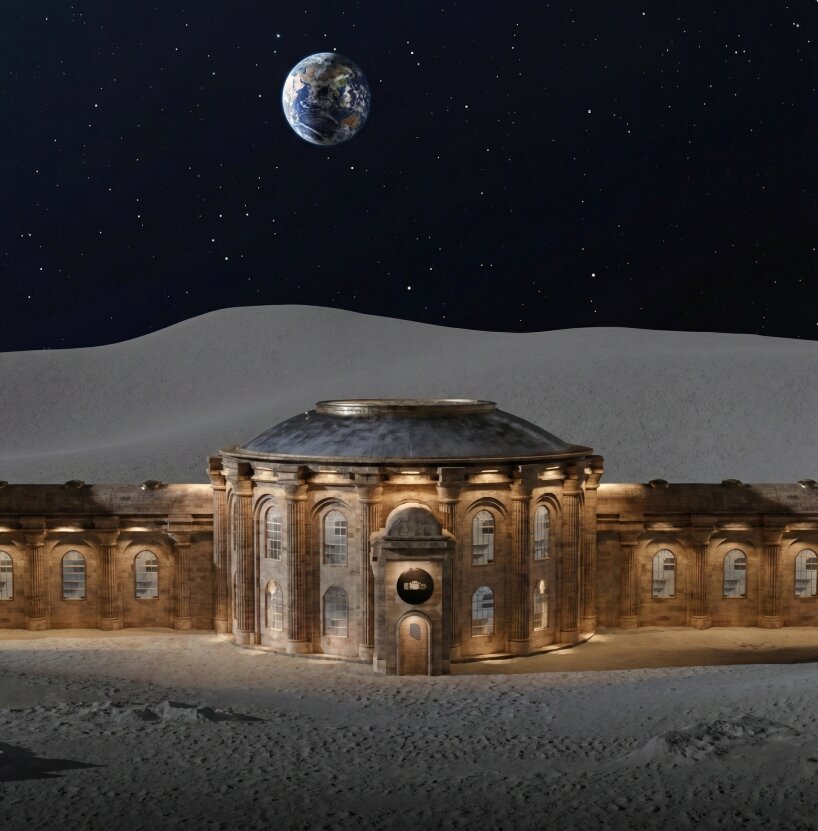
the inflatable architecture is packed tightly for rocket shipping
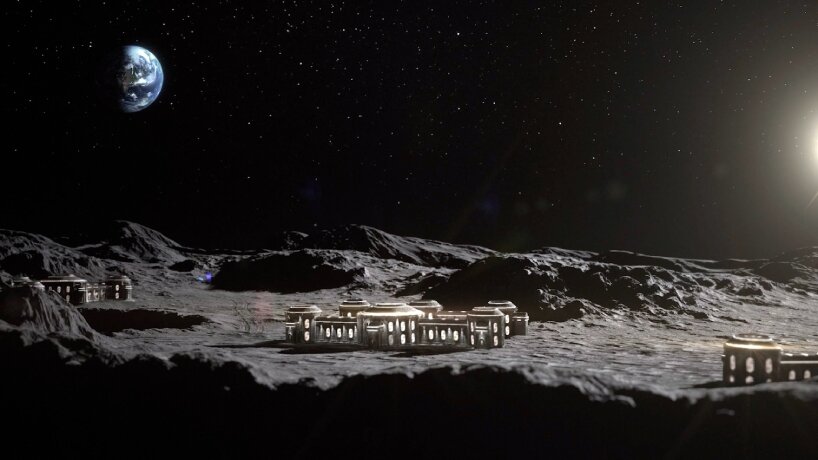
the first mission begins in 2029
project info:
team: Galactic Resource Utilization (GRU) Space | @gru.space
The post first hotel on the moon plans to use inflatable and stone-like buildings mixed with local soil appeared first on designboom | architecture & design magazine.