















Flood-resilient infrastructure among architecture projects from Glasgow School of Art

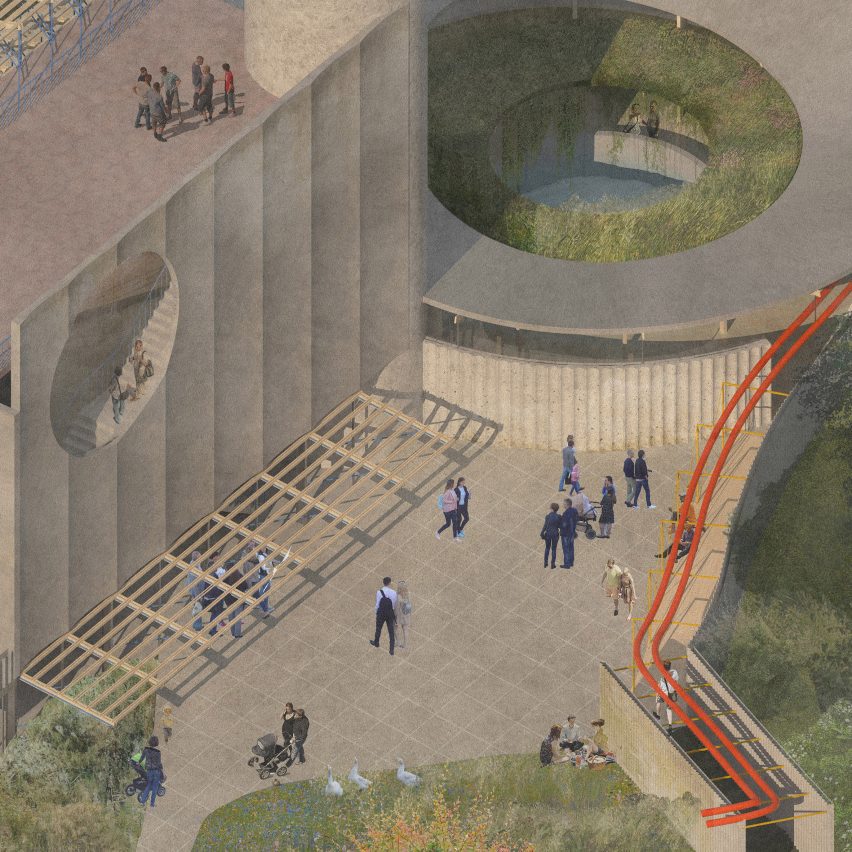
Dezeen School Shows: an infrastructure proposal to mitigate flooding in Copenhagen, Denmark, is among nine projects from Glasgow School of Art's architecture students.
Also featured is a project addressing the lack of in-person interactions in the digital age and a building design informed by Le Corbusier.
Glasgow School of Art
Institution: Glasgow School of Art
School: Mackintosh School of Architecture (MSA)
Course: MSA Stages 3, 4 and 5
Tutors: Luca Brunelli, Alan Hooper, Henry Mckeown, Neil Mochrie, Adrian Stewart, Stacey Phillips, Ian Alexander, Graeme Massie, Kirsty Lees, Rob Colvin, Nick Walker, Thomas Woodcock and Charlie Sutherland
School statement:
"The Mackintosh School of Architecture (MSA) Degree Show presents a pedagogical programme attuned to the social, environmental and cultural contingencies shaping contemporary practice.
"Across Stages 3, 4 and 5, projects operate between the Scottish Highlands, Glasgow and Copenhagen, foregrounding ecology, memory, public life and production as spatial drivers;
"Stage 3 reconsiders Lochaber through an observatory, interrogating landscape imaginaries and vernacular renewal; Stage 4 engages Glasgow's urban fabric, addressing housing, at-risk buildings and community infrastructures; Stage 5 focuses on Copenhagen, proposing experiential architectures of care, defence and production.
"Architecture emerges as adaptive, relational and participatory, engaging publics and evolving environmental conditions."
Banquo's Walk by Sophie Wilson
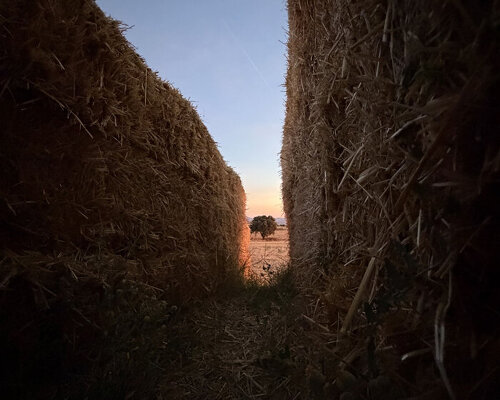
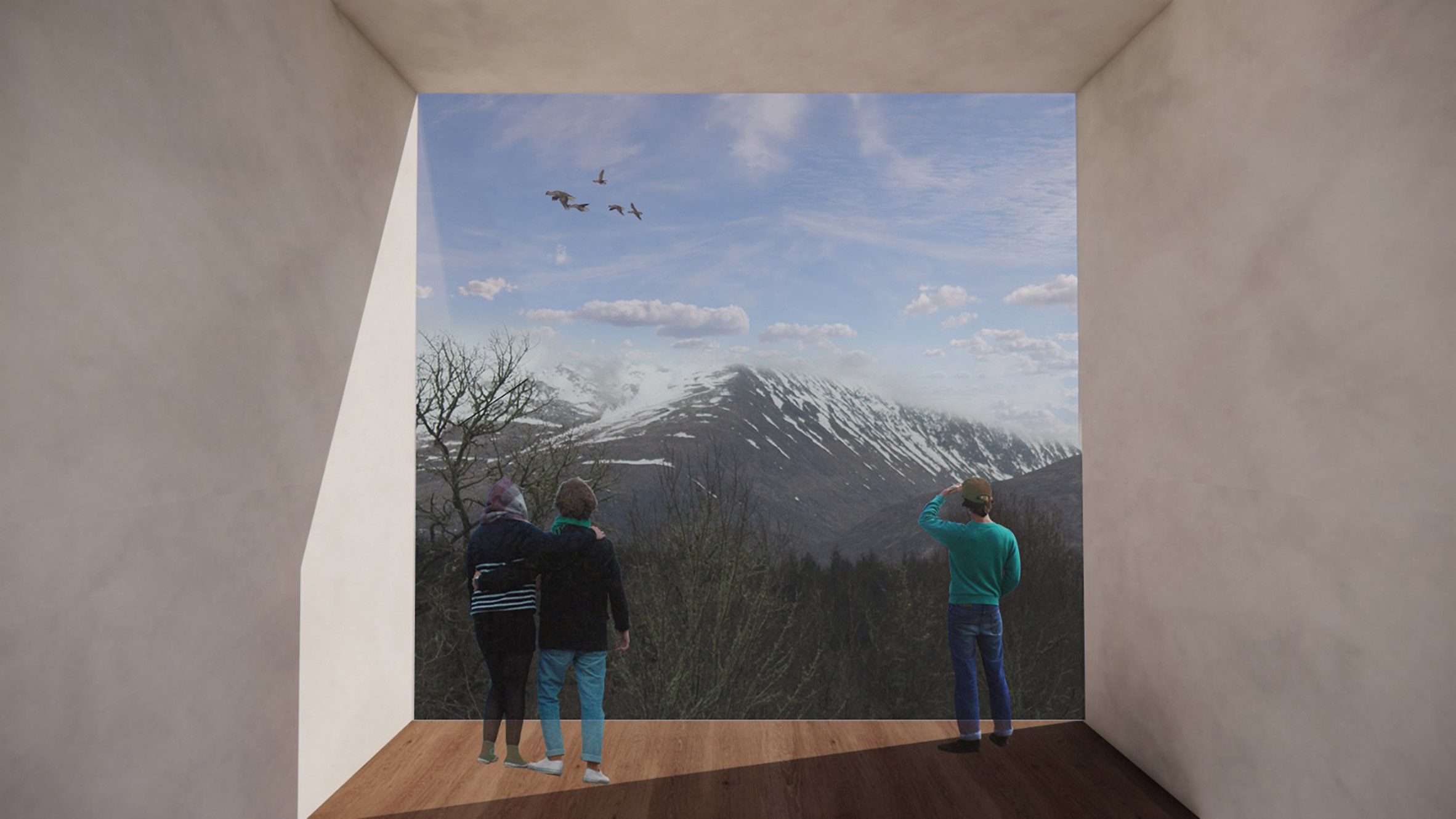
"Banquo's Walk returns a former clay extraction route for the Caledonian Canal to its ancient ceremonial functions.
"Drawing on Celtic mythology and Banquo's association with Tor Castle, Sophie's scheme combines narrative and material continuity; a cob superstructure, formed over woven timber frameworks, references both puddled clay and Celtic knotwork.
"Pleached trees are trained to create a living armature, interlaced with branches to stabilise earthen layers.
"The resulting nest-like observation structure integrates ecology, vernacular technique and history, linking extraction, landscape and shared memory."
Student: Sophie Wilson
Course: Mackintosh School of Architecture Stage 3
Tutors: Luca Brunelli, Alan Hooper, Henry Mckeown, Neil Mochrie and Adrian Stewart
Email: architecture[at]gsa.ac.uk
The Procession by Madeleine Ernst
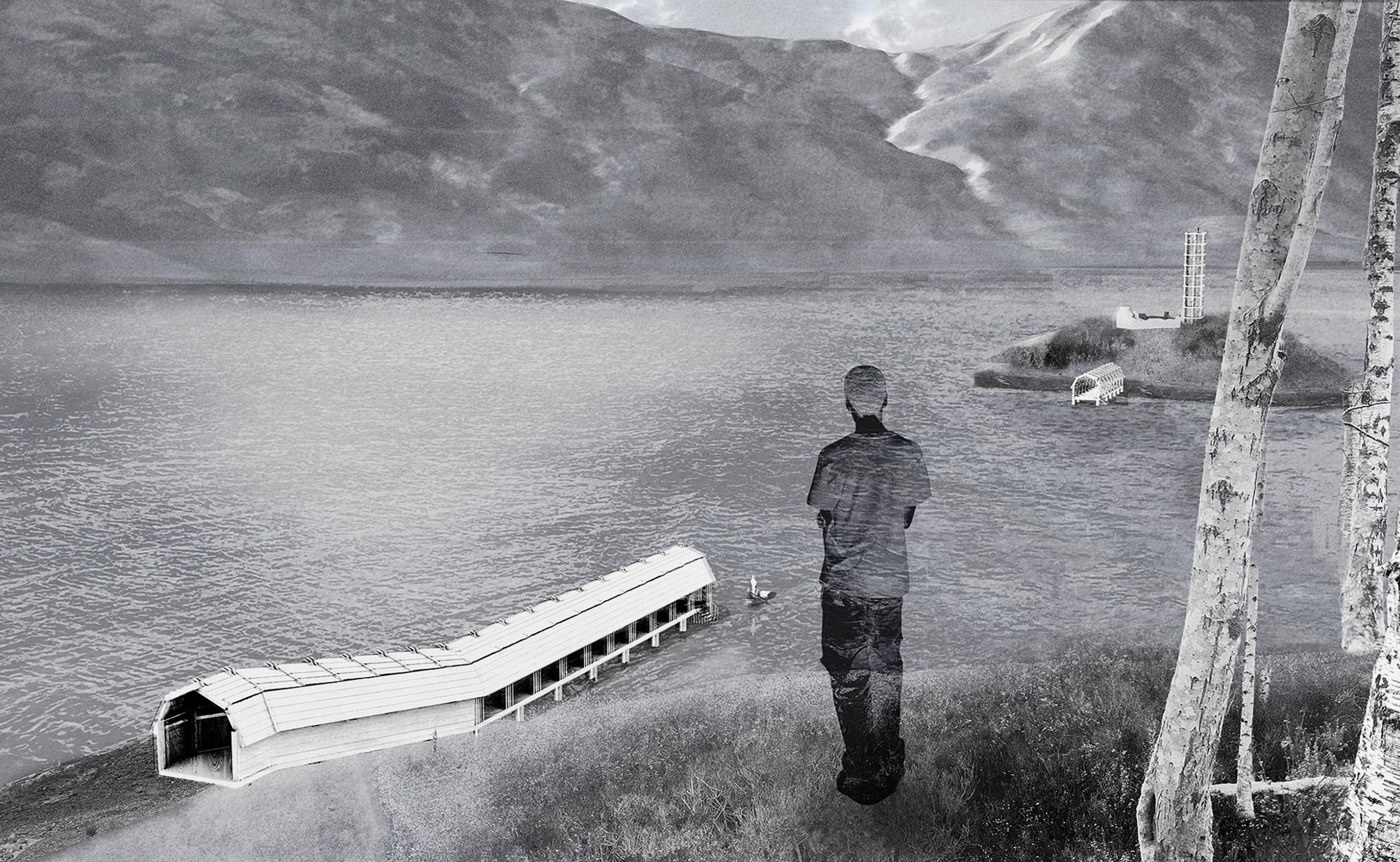
"The Procession examines the delicate balance between man and nature on Eilean Munde, a 7th-century burial ground in Loch Leven accessible only by boat.
"The architecture of Madeline's proposal mimics the final journey, where the dead are lowered to the water and suspended in a voyage across the loch for quiet reflection.
"The path meanders between those who arrived before, eventually leading to a skeletal viewing tower to look back and reflect on where the journey began.
"This sacred passage creates a space where the elements are the only disturbance, contemplating our eternal place within the landscape through a voyage of suspension and arrival."
Student: Madeleine Ernst
Course: Mackintosh School of Architecture Stage 3
Tutors: Luca Brunelli, Alan Hooper, Henry Mckeown, Neil Mochrie and Adrian Stewart
Email: architecture[at]gsa.ac.uk
What Lies Beneath by Cameron Lawrence
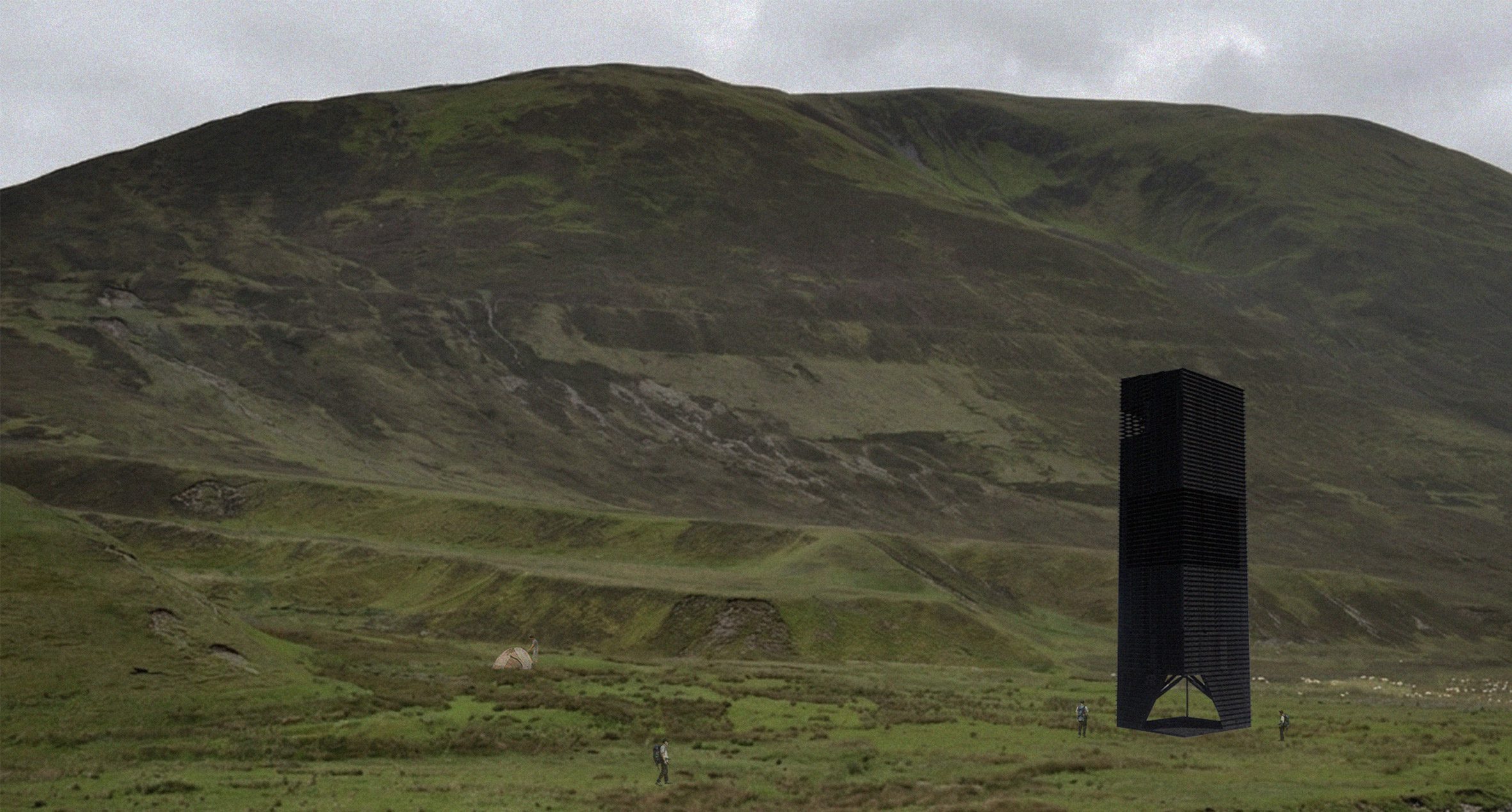
"What Lies Beneath alerts visitors to the seismic activity of the Great Glen Fault and the fragility of the critical zone forming Lochaber.
"The design features a facade of layered stone mirroring tectonic plates, with internal rotating columns that metaphorically highlight human intervention and the control of natural resources.
"By framing a bell within the structure, the kinetic energy of seismic tremors is transformed into a natural symphony, changing the song of the earth into a chime.
"This architectural warning reflects on the misunderstood history of Glen Roy, reminding sightseers that no matter how much humans exert their influence, landscape remains in control."
Student: Cameron Lawrence
Course: Mackintosh School of Architecture Stage 3
Tutors: Luca Brunelli, Alan Hooper, Henry Mckeown, Neil Mochrie and Adrian Stewart
Email: architecture[at]gsa.ac.uk
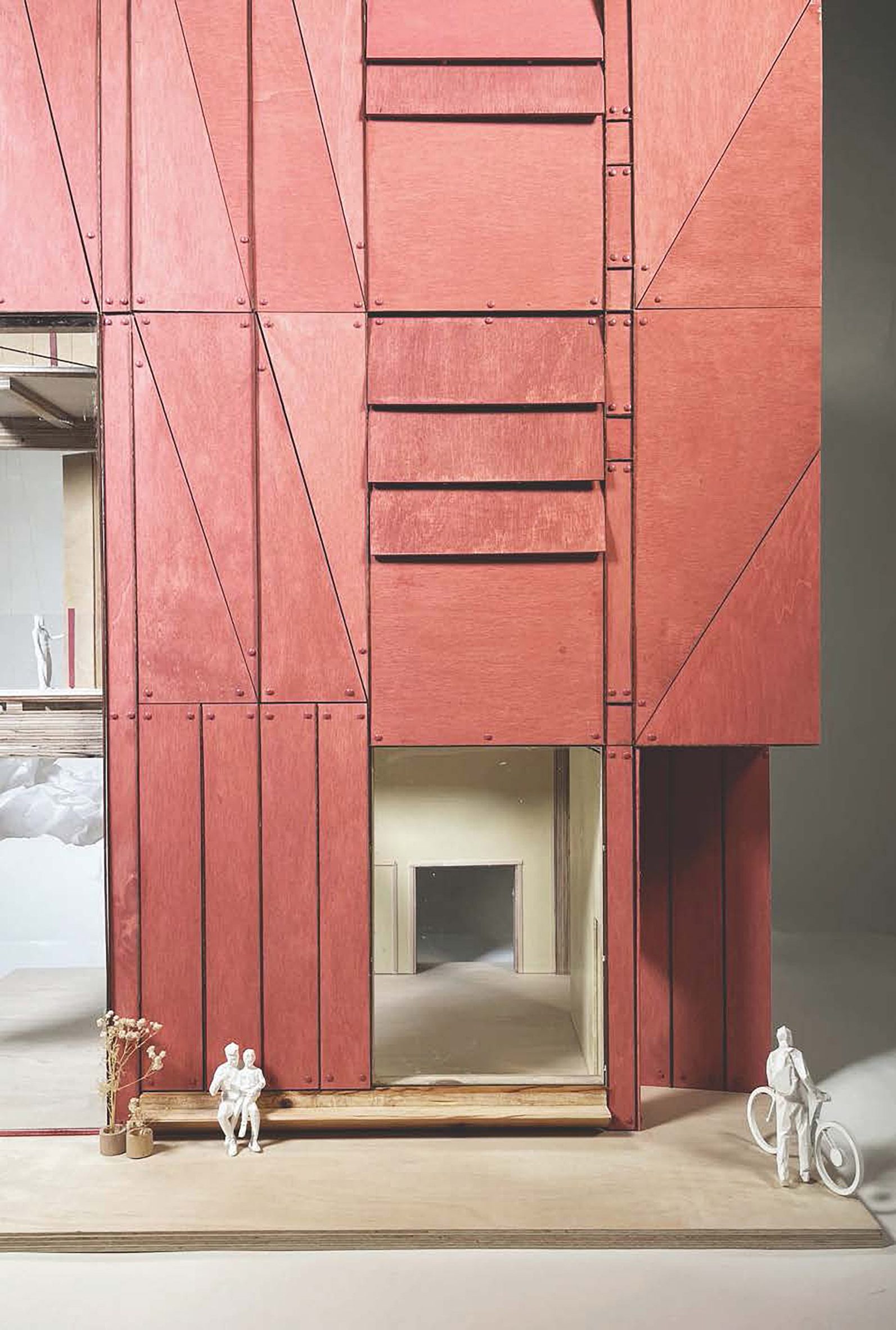
The People's Framework by Ailsa Hutton
"The People's Framework addresses disconnection in the digital age, where city centres are populated by individuals isolated by screens.
"The project aims to provide a physical space for face-to-face dialogue, bridging generational gaps to motivate policy change and community improvement.
"By incorporating the concept of 'play' and child-like curiosity, the design challenges occupants to break out of their comfort zones and invites everyone into a creative conversation to develop genuine, implementable solutions for their built environment, turning architecture into a tool for social resilience."
Student: Ailsa Hutton
Course: Mackintosh School of Architecture Stage 4
Tutors: Graeme Massie and Kirsty Lees
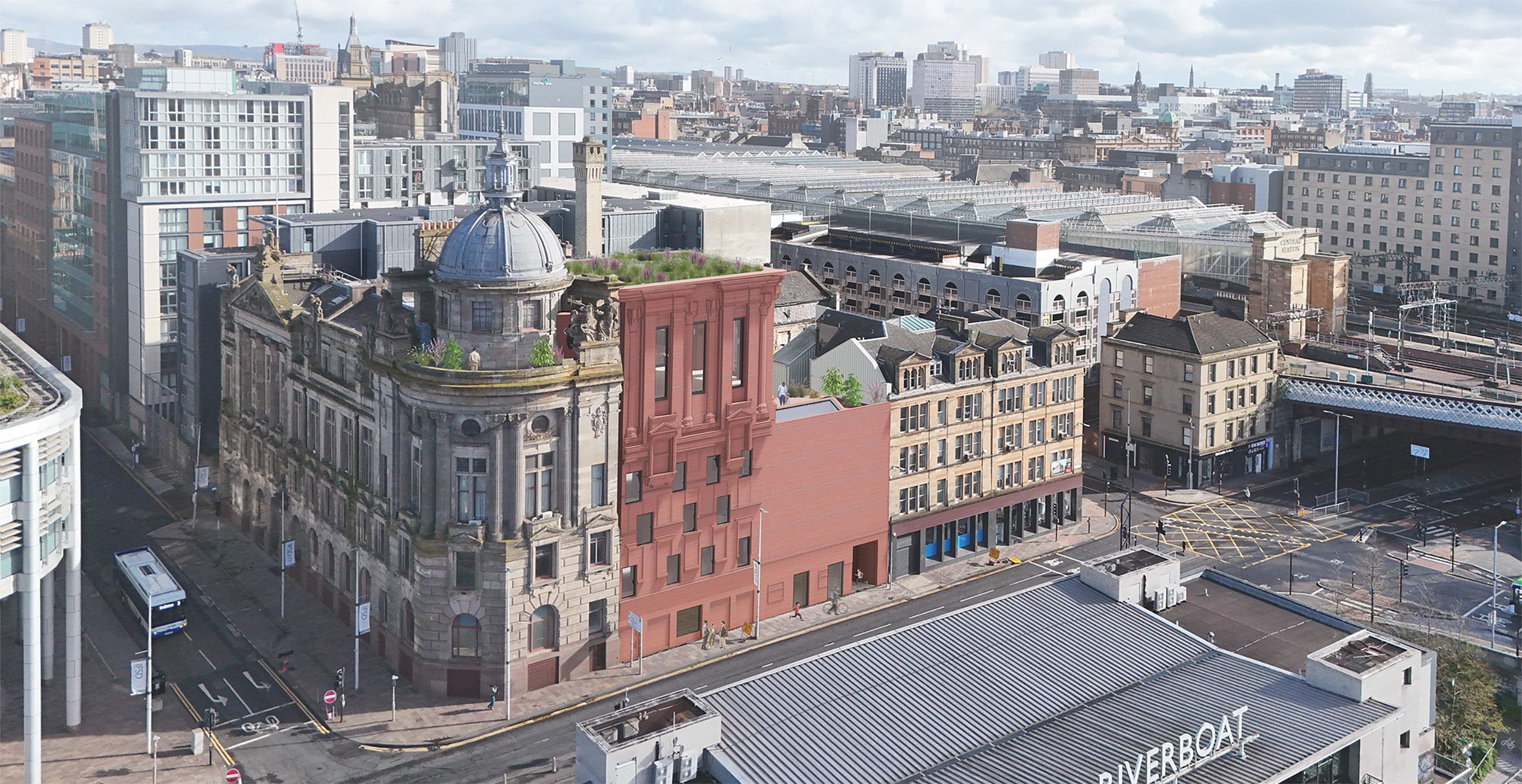
GATE: Glasgow's Architecture and Town Exchange Building by Owen Hourston
"GATE: Glasgow's Architecture and Town Exchange Building acts as a civic platform for public and professional engagement with the city's built environment.
"Located on the Broomielaw, and influenced by Édouard François and artist Rachel Whiteread, the project explores both historic context and collective absence and memory, reinterpreting lost architectural forms in locally sourced Locharbriggs sandstone.
"By housing Glasgow Building Preservation Trust's archives and exhibition spaces within the scheme, Owen intends Glasgow's history to be a core part of the building's identity, allowing citizens and institutions to come together collectively to shape the city's future based on an understanding of its past."
Student: Owen Hourston
Course: Mackintosh School of Architecture Stage 4
Tutors: Stacey Phillips and Ian Alexander
Email: architecture[at]gsa.ac.uk
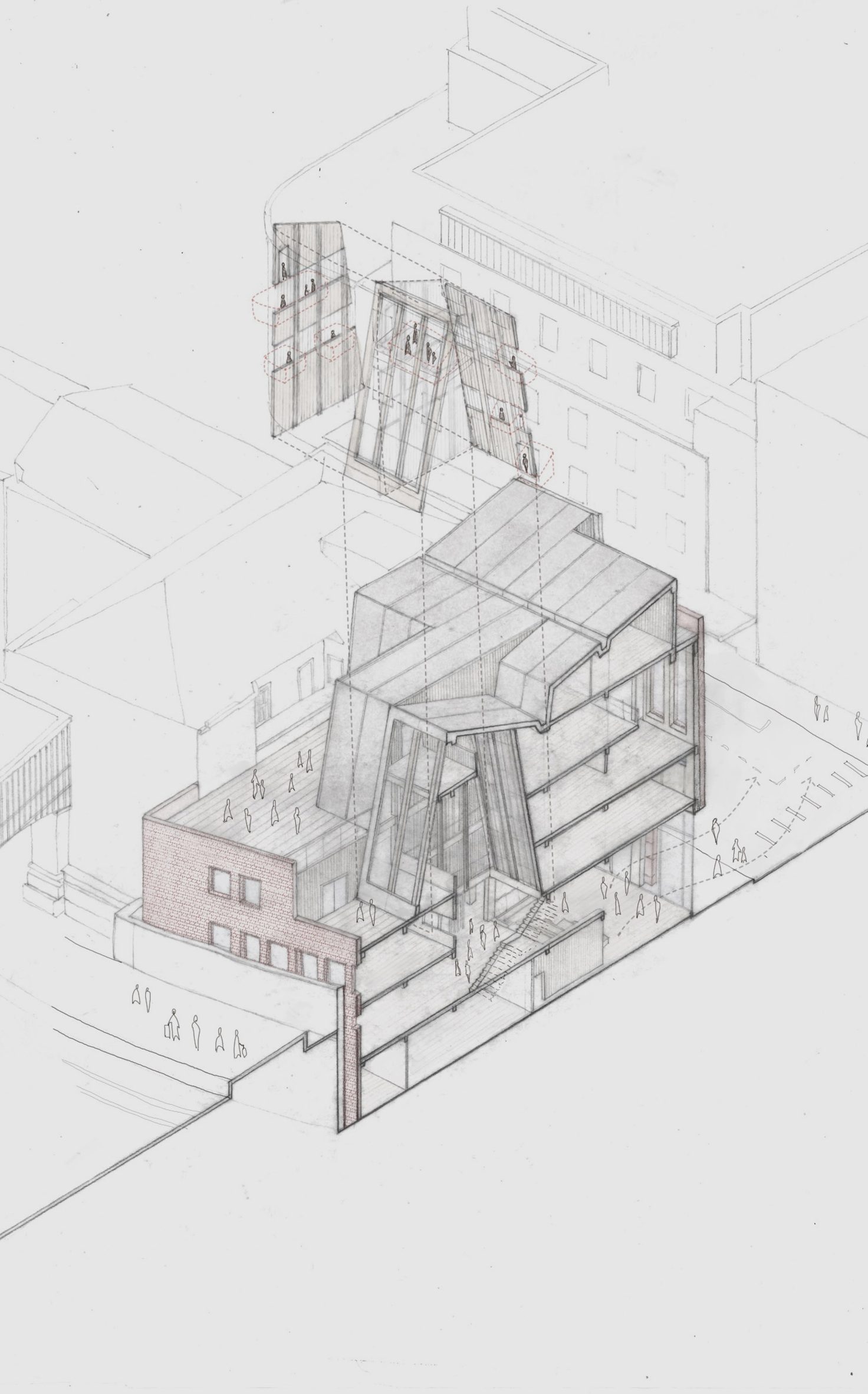
Let People Make Glasgow by Eilidh Duffy
"Let People Make Glasgow is rooted in the belief that cities should be shaped by the daily lives and actions of their inhabitants rather than by abstracted, procedural systems.
"Inspired by Ivan Illich's concept of conviviality, Eilidh proposes a new civic building in the centre of Glasgow, which will act as a place of discourse for the future planning and making of the city; housing clients such as the GIA and Glasgow Buildings Preservation Trust.
"By acting as a site where 'planners and non-planners' can meet, the building creates the capacity for citizens to influence the development of their environment through community values and for the common good."
Student: Eilidh Duffy
Course: Mackintosh School of Architecture Stage 4
Tutors: Kirsty Lees and Rob Colvin
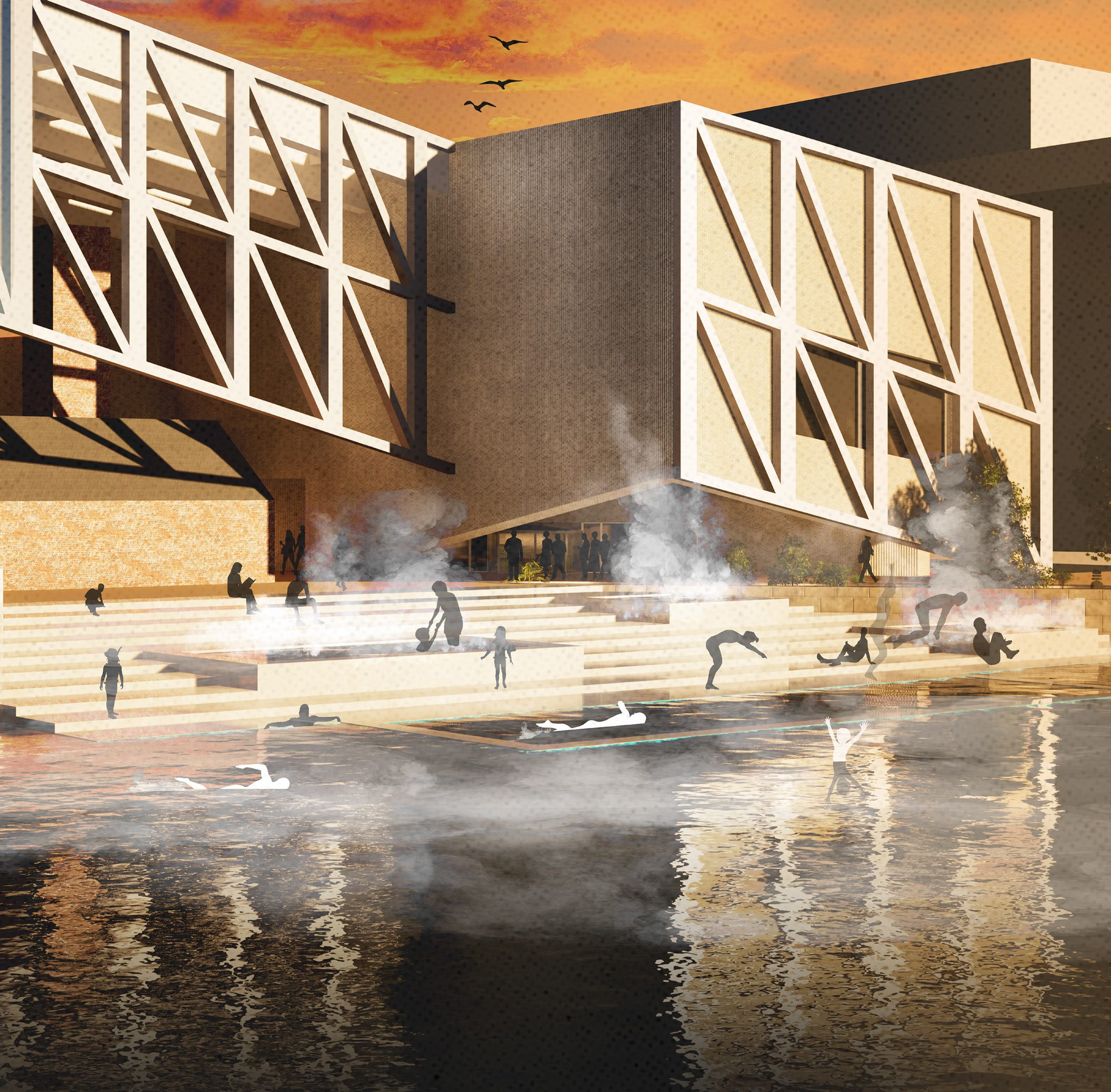
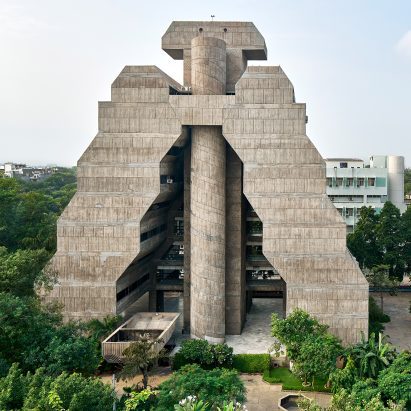
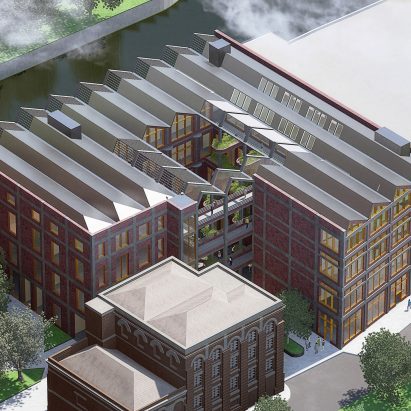
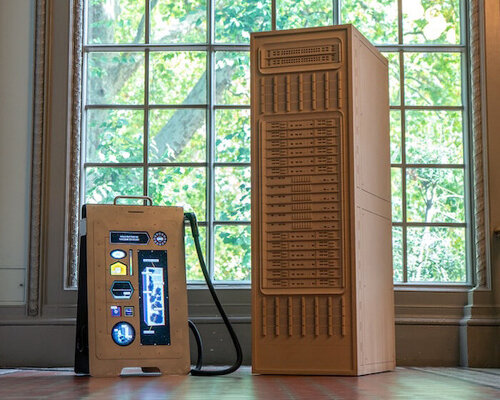
Supercomputer Institution by Harrison Cameron Barr
"Supercomputer Institution treats the modern supercomputer as an epistemological engine rather than a hidden technological relic.
"Drawing on Le Corbusier's 'Endless Museum', the building's geometry employs an infinite loop to store and democratise the data forming our cities.
"Socially, the project transforms resource-intensive, invisible infrastructure into a positive civic amenity, harnessing the internal microclimate's waste energy in the form of heat and steam and disseminating it into philanthropic, cultural and educational spaces.
"The architecture mediates between city and system, giving data a tangible presence and providing a sensory, progressive experience for the public."
Student: Harrison Cameron Barr
Course: Mackintosh School of Architecture Stage 5
Tutor: Nick Walker
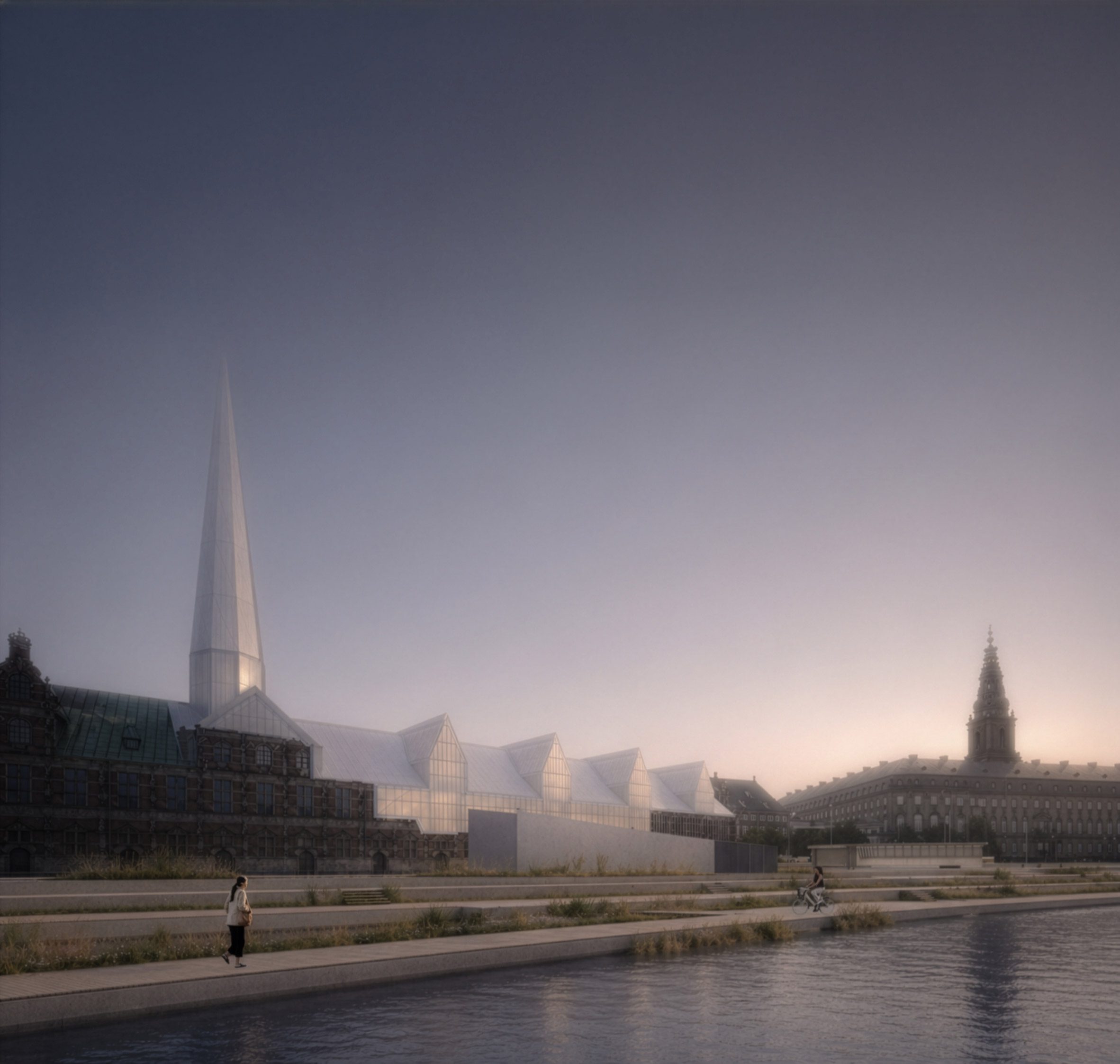
Toward a Post-Secular Numinousity by Marcus Arbon
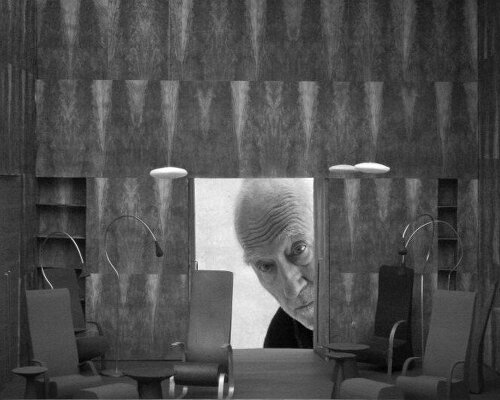
"Toward a Post-Secular Numinousity examines how architecture can stage reflection, moral confrontation, and collective reorientation within a secular civic setting.
"Set within the fire-damaged Børsen, Copenhagen's 17th-century seat of finance and government, the project treats the ruin of economic power as a charged site for ethical renewal.
"An inserted framework of nave and chamber spaces guides a processional journey through emotional and existential states, informed by Kierkegaard.
"Using a phenomenological approach, abstract conditions are translated into spatial operations and material form, producing a translucent, numinous presence that reimagines architecture as a civic space for ritual, memory and shared ethical reflection."
Student: Marcus Arbon
Course: Mackintosh School of Architecture Stage 5
Tutor: Charlie Sutherland
Email: architecture[at]gsa.ac.uk
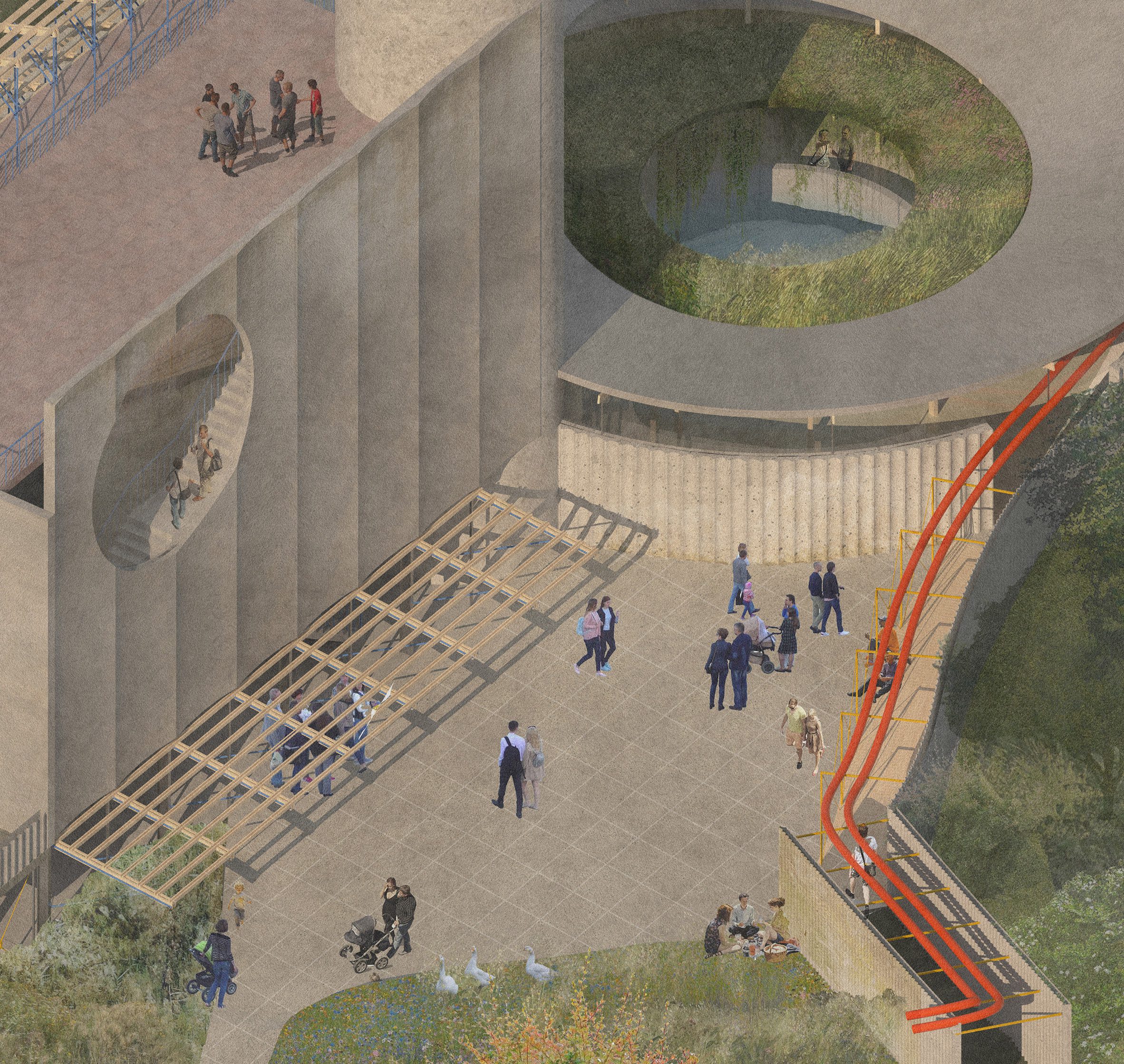
Fælles Vand by Rachel Houston
"Fælles Vand (meaning Common Water in Danish) proposes a network of civic counter-infrastructures for flood resilience in Copenhagen, responding to climate-driven rainfall and rising sea levels.
"Informed by Richard Sennett's concept of seed-planning, the scheme distributes adaptable water-harvesting nodes across flood-prone sites, each shaped by local conditions.
"These decentralised structures collect, process and redistribute water while supporting community use.
"A connecting floodline guides movement through the city, echoed by internal water channels. Reframing excess water as a fundamental and shared civic resource, the project links environmental adaptation with social and spatial empowerment."
Student: Rachel Houston
Course: Mackintosh School of Architecture Stage 5
Tutor: Thomas Woodcock
Partnership content
This school show is a partnership between Dezeen and Glasgow School of Art. Find out more about Dezeen partnership content here.
The post Flood-resilient infrastructure among architecture projects from Glasgow School of Art appeared first on Dezeen.