




Jennifer Dubas: Bringing an architect’s perspective to lighting design | Portrait
Jennifer Dubas, senior vice president of product design and development for Hudson Valley Lighting Group, credits her architecture journey for much of her success in product design and development. “Designing products is not just about making them beautiful,” she said. “It also requires figuring out how to make everything work in a beautiful way. Architecture school gave me a great background in structural engineering.”
Before joining Hudson Valley Lighting Group (HVLG) in 2019, Dubas worked for architectural companies that included Sasaki Architecture, and Roman and Williams Buildings and Interiors in a variety of capacities.
Since joining Hudson Valley, Dubas has spearheaded the organization of the company’s product development process across six decorative lighting and decor brands, affecting multiple areas of the business.
How does Dubas approach her role at HVLG, incorporating her design passion and what she loves most about product development? Read on.
How has your foundation in architecture affected your product development work at HVLG?
My love of historic architecture, furniture and interiors all contribute to what I do now — bring a high-end aesthetic to everyday people. I grew up in Philadelphia, which had a big influence on my life and career choice. My mother worked in City Hall, and I got to spend time in that historic building, which was important to me because of all the detailing. I got to see parts of that architecture that the everyday person isn’t exposed to, and that influenced me to go to architecture school with an eye toward historic preservation. In my Penn State architecture program, the focus was on modern architecture, which turned my head the other way. We learned about art history, architecture history and engineering. It was theoretical, conceptual and artful.
From there, I took a traditional path with architecture firms but ended up doing interiors at Roman and Williams, the architect of record for the Standard, Highline, an 18-story luxury building in Manhattan. There, we designed what was needed for each project. I worked more on the interior architecture side — millwork, custom furniture and lighting for high-end residential spaces — and was involved in product development. Roman and Williams launched the Art of View guild, which was all product-based design.
When I started at HVLG, I didn’t have commercial product development experience, but they were looking for an elevated eye. I started with Hudson Valley and Mitzi brands, and now Troy and Corbett, Sonneman and Schoolhouse brands are also under my purview, spanning traditional to modern design.
Working across those varied HVLG brands, can you share some of your design inspiration?
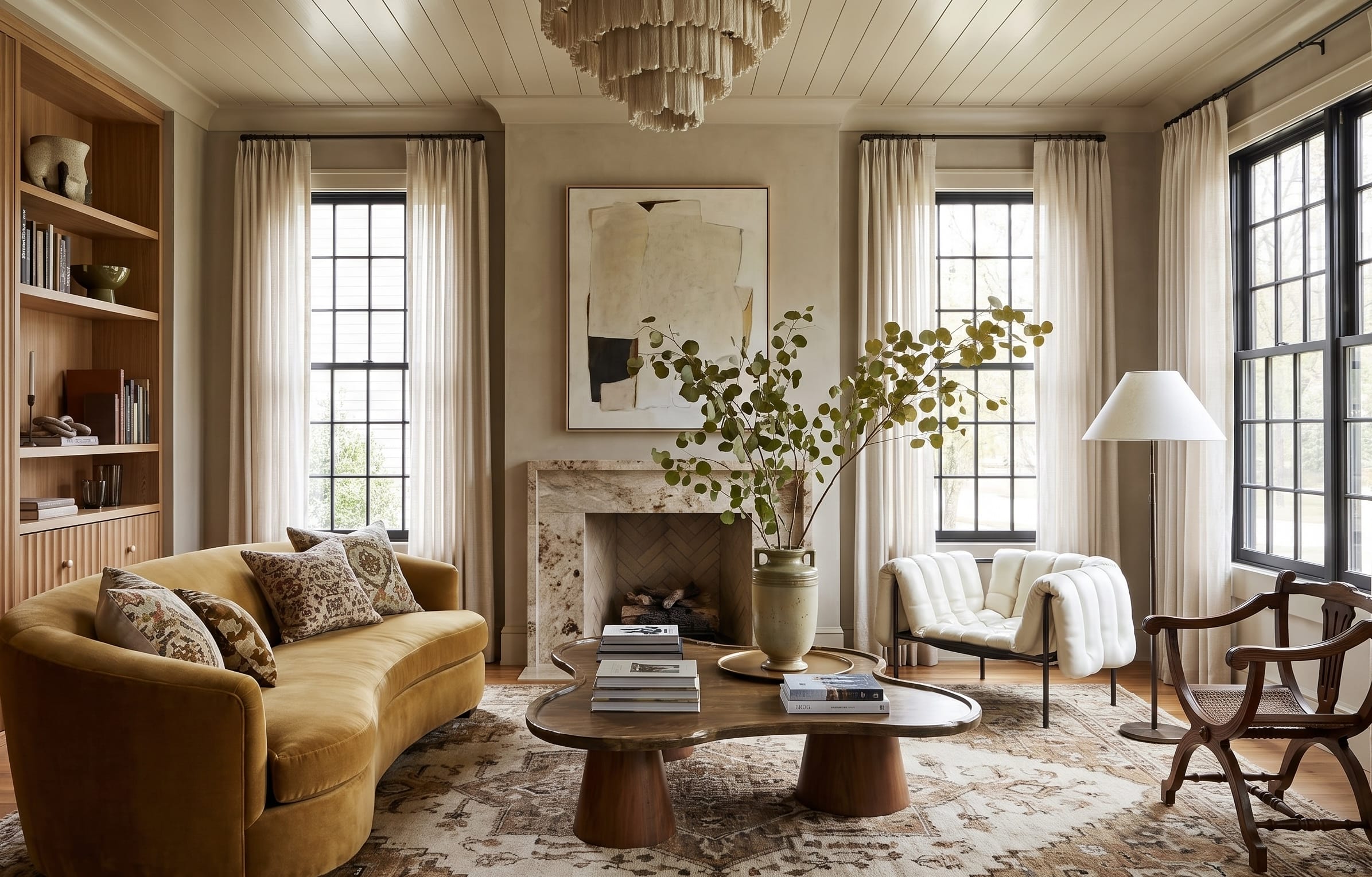
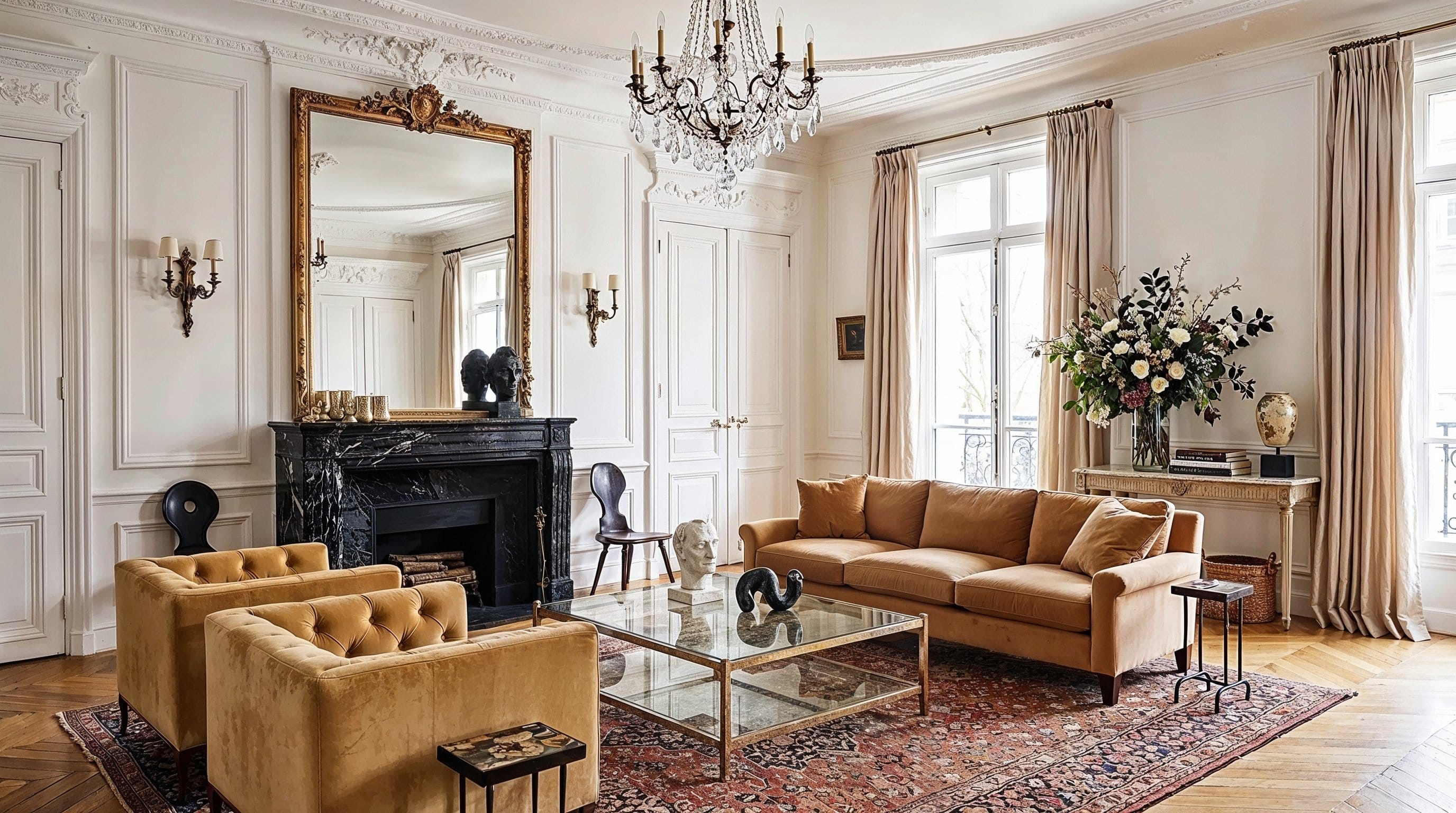
Design inspiration depends on the brand. For our more heritage-inspired brands, such as Troy and Corbett, I’ll get inspiration from antiques, but it’s about finding the right antique look. Just because it’s old doesn’t mean it was good. Finding nuggets of inspiration in Paris, at Brimfield Antique Flea Market or in antique stores is critical to that design process. For Mitzi and Schoolhouse, it’s more about unique materials and dimensions. I also find design inspiration in objects in my home or on different trips. Recently, on a trip to India, I was in a wood furniture factory and there was a stool next to one of the machines. It was all wood parts. I took a picture of that stool to figure out how we could translate that into a customer-facing product.
I look at the details of different objects, such as a decorative blown-glass vase, and try to figure out how to get that vibe in a light fixture. How can we make it different? I’m constantly applying visual input.

HVLG has quite a few designer partnerships. What do different designers bring to the table and how do you take their ideas from design to production?
When we’re thinking about design collaborations, we’re looking for a unique perspective on the brand. We’re a small design team of six people and our scope can get limited because we work quickly and on many projects at once. When we talk to design collaborators, we’re looking for those moments of what they can bring that we haven’t thought of. We need that outside perspective. Our design team will take designer partner ideas and make sure they are produceable and saleable in their size and format. Then we’ll show our partners and get their approval. These collaborations are capsules of different ways of thinking about each HVLG brand.
Is there a lighting design that makes you especially proud?
When we first took on the design work at Corbett, in particular, there were a lot of antique looks that were not as appealing to the marketplace anymore. We’re really proud that we took some of those techniques, such as handmade branching floral motifs, and reinterpreted them for the current customer. It’s been a big win to bring Corbett back to a brand that designers are looking for because it’s unique to the market.
Was there ever a challenge you’ve had with design? How did it change your career?
The moment I realized my interpretation of the avant garde wasn’t for every man was a challenge. People like looking at avant garde design but they don’t necessarily buy it. I had to change my own personal process in design to interpret the avant garde in a way people could live with. It’s a lesson for every product designer. We want to design something no one has ever seen before, and we should keep that desire. But we also need to maintain the knowledge that that piece is not necessarily saleable. We’ll get so excited about a new design and then watch it tank. Editorial pieces grab people’s attention, but they might not sell as well as the boring flush mount. Those were some takeaways in my career that were hard to learn.
Do you have a mentor or mentors who have influenced your career journey?
I’ve been really lucky over my career. I’ve gotten to work directly with the owners, principals and founders of the firms I’ve worked for. My time at Roman and Williams was really valuable because I learned about the architecture of objects. It’s the way I live life as well.
At Hudson Valley, I work closely with David Littman [founder and chairman of HVLG]. He and I have a working relationship where we have healthy conversations around design, and I particularly enjoy that with him. He has a deep knowledge of art and art history so we can talk about painters, furniture designers and more. I feel lucky to be in a place where that dialog is going on and people are interested. David has been so influential.
You have a very busy job across six brands. How do you stay organized and keep things moving in a timely manner?
Fortunately, I’ve built a team I can rely on. I cultivate an environment on my team where everyone has the agency to work independently and come to me when they need me. When I’m out of the office, things don’t fall apart. Without my team, there’s no way these brands could happen. Every person on the team has an important role and knows how to do his/her job without hand holding. That team environment of having agency over your job is really important and does a lot of work.
What’s one thing you love about your role at Hudson Valley?
I love the active part of product design: reviewing product samples, and collaborating with the designers, engineers and the factory to make beautiful pieces.
Just for fun:
What is your favorite food or cuisine?
I wish I could live on sourdough bread. In my town, we have a bakehouse that does an open bread share. I love the texture and the hard outside of sourdough as well as the tang of the flavor. I bake but can’t make bread.
Favorite travel destination?
I am in love with eastern Europe. The cities can be so beautiful and atmospheric with a lot of inspiration from the past. I love all of Europe, but there’s something special about eastern Europe.
What is your home life like and how does it affect your work?
I’m married with two sons, ages 12 and 14. I live in a houseful of male energy — even the dog is a boy. We’re involved in sports and activities and all the things parents do. My home is a collection of things I’ve loved and collected over a lifetime. It’s interesting how my family interacts with those things, which is a lot more casual than how I would. My collection is precious to me, but one life lesson I’ve learned is that nothing is that precious. Through my home life, I’ve experienced different things in life that I wouldn’t have otherwise, from work to my son’s football game. I welcome that. I want to be exposed to this wider world and what my family does and how they interact with one another. It’s an interesting life.
What are your favorite pastimes outside of work?
I love being outside. I grew up in a densely populated environment. Now I’m in a rural area. I love my gardens and flowers. It’s special to me to be in a place where that’s available to me. We have lots of hiking trails and biking trails and I try to take advantage of that because I know it’s not available to everyone. It’s just right there all the time.
What is your favorite season or time of year and why?
I have reasons to appreciate all the seasons. Spring, because the garden starts to come to life. Getting it all going is weirdly inspiring. Summer is when the flowers bloom and that’s so rewarding. In the fall you’ve seen that work come to fruition and you start planning for the next season. Plus, the trees, apple season and pumpkin season happen in fall. Winter is a break.