
















amasa estudio carves patios and millwork into a mid-century home in mexico city

AMASA Estudio Extends the Life of a Mid-Century Home
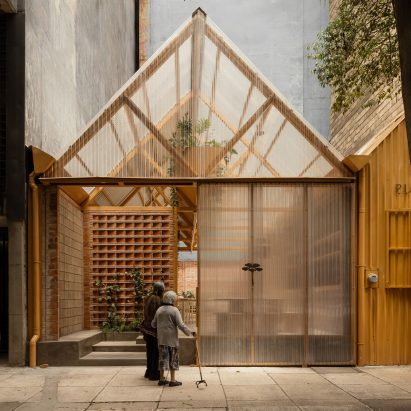
Casa Xoltic is the rehabilitation of a mid-century house in Coyoacán, a historic residential neighborhood in southern Mexico City. Designed by AMASA Estudio, the project reconfigures an existing dwelling through a series of spatial, material, and programmatic interventions that adapt the house to contemporary domestic life while preserving its original structure.
Rather than replacing the building, the project focuses on extending its lifespan through transformation. The existing house remained largely intact, but its compartmentalized layout and underutilized spaces no longer supported contemporary patterns of living. The intervention reorganizes the relationship between rooms, circulation, and outdoor areas, creating a more continuous and adaptable domestic environment.
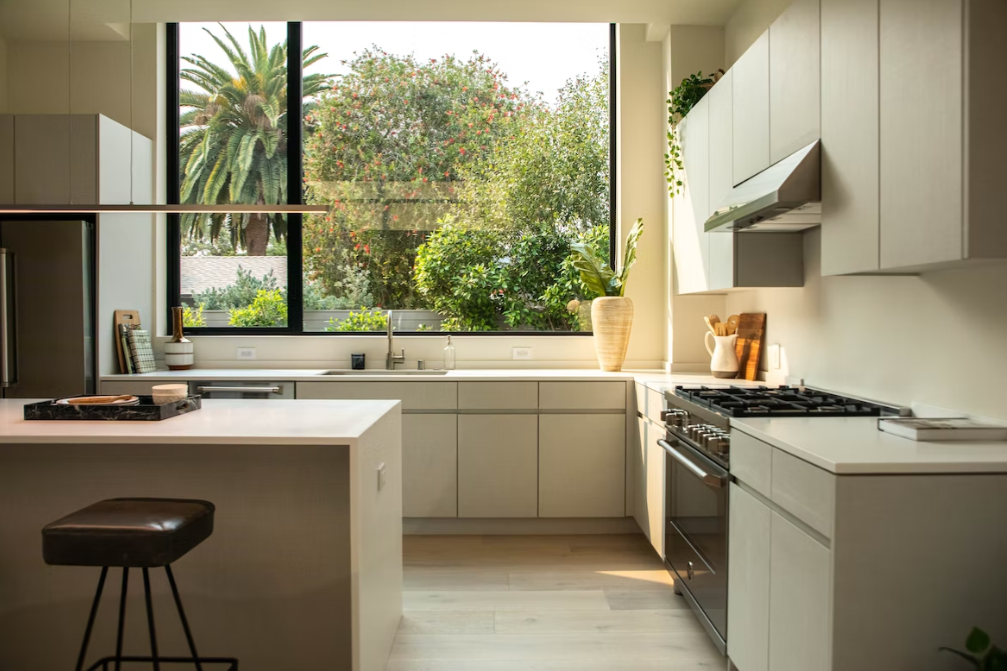
On the ground floor, social spaces, patios, and circulation routes were reconfigured to strengthen visual and spatial connections throughout the house. A sequence of interconnected rooms allows natural light and ventilation to reach deeper into the interior, while reducing the reliance on enclosed corridors and separated zones.

all images courtesy of AMASA Estudio
Bejuco Screens and Millwork Define revived Casa Xoltic
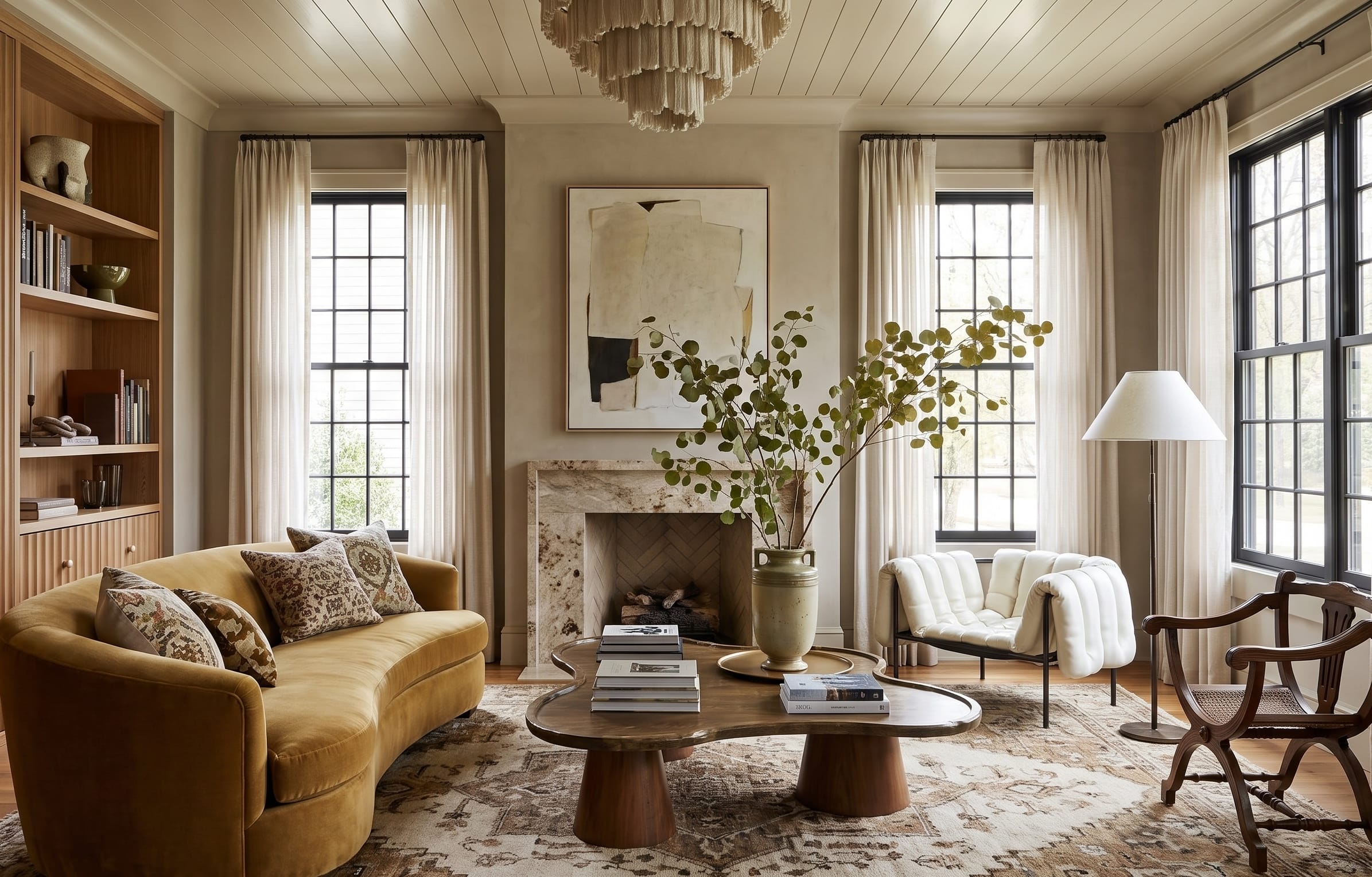
Integrated millwork plays a central role in the new spatial organization by AMASA Estudio. Custom carpentry elements provide storage, define degrees of privacy, and support everyday activities without introducing additional partitions. Handcrafted bejuco details are incorporated into these elements, acting as filters and transitional devices that maintain visual continuity between adjacent spaces.
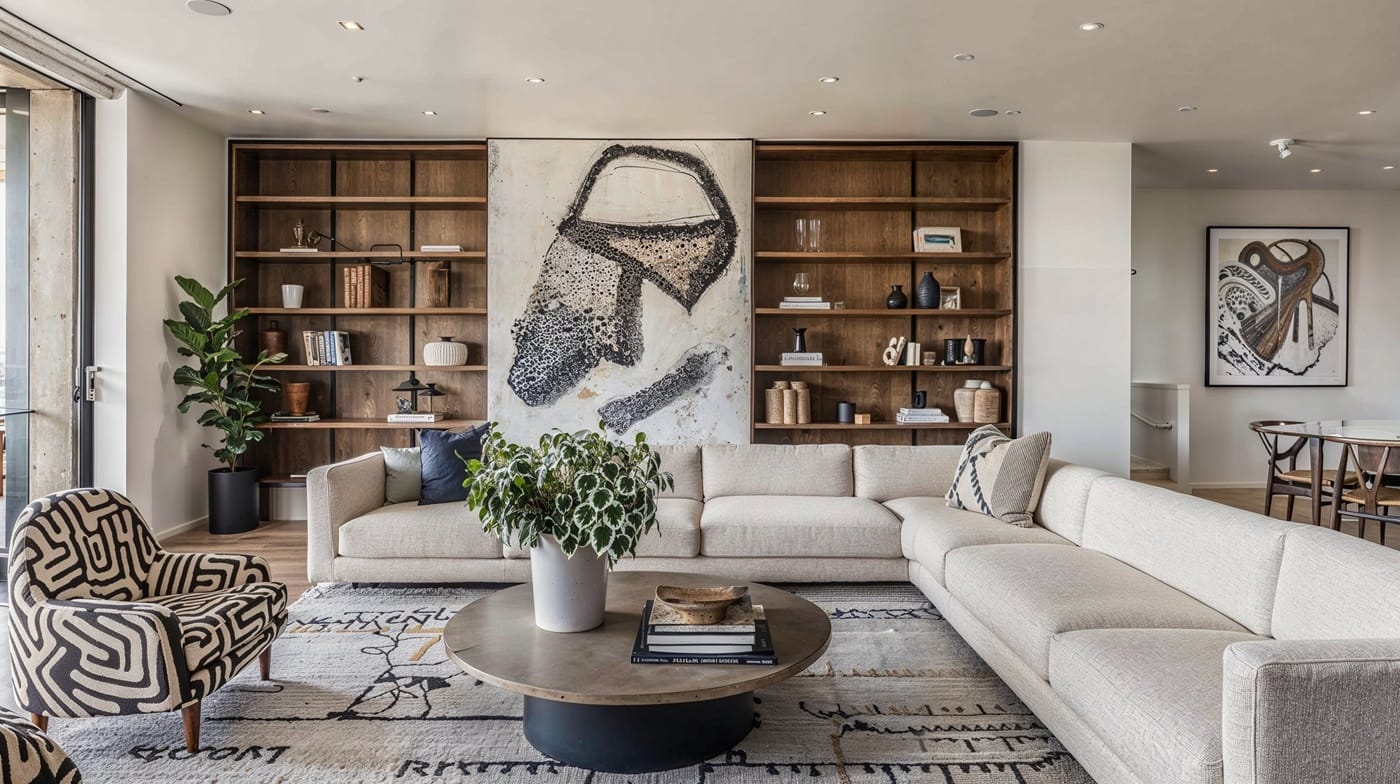
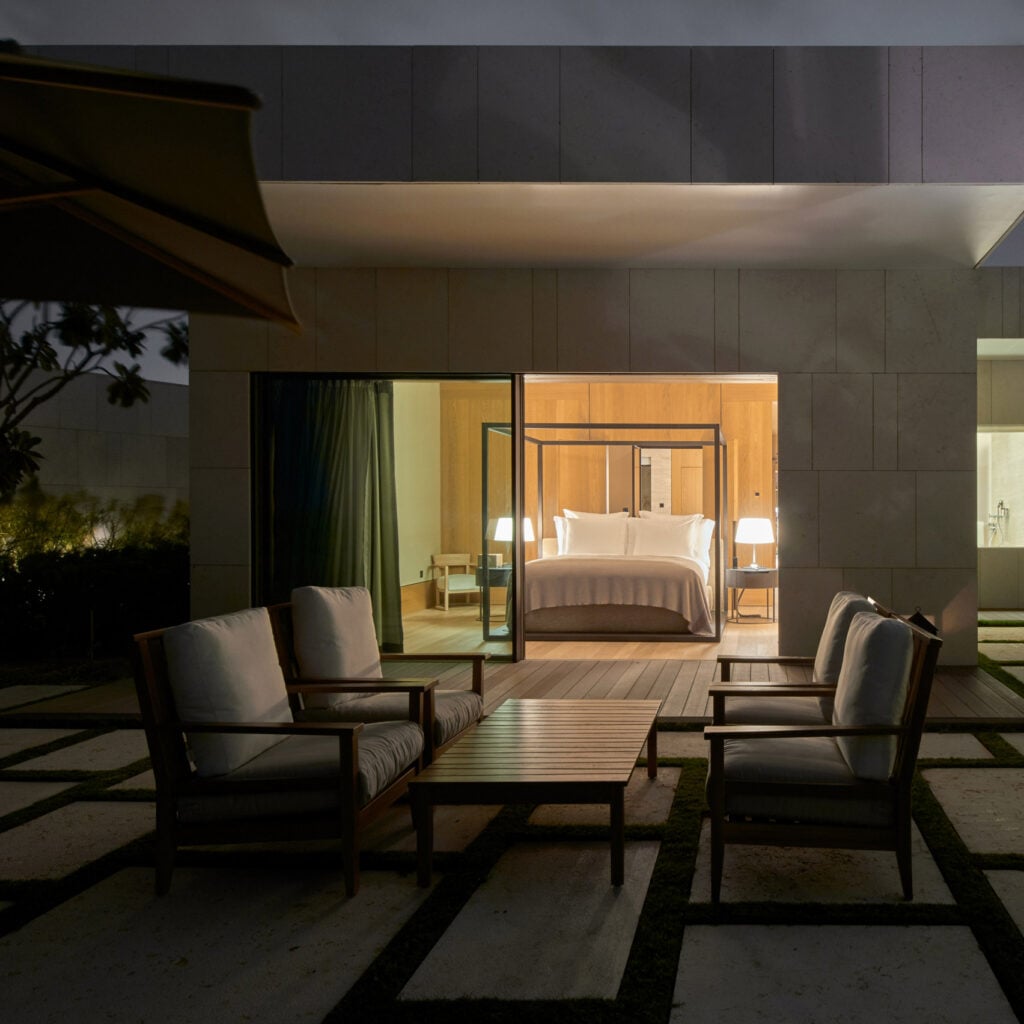
The material palette combines oak wood, terrazzo, natural textures, and soft finishes. These materials contribute to a cohesive interior environment while emphasizing tactility and durability throughout the house. A significant intervention takes place on the rooftop, where former service areas were converted into a habitable terrace and studio space. The addition is constructed through a lightweight structural system that expands the domestic program while preserving the original footprint of the building.
Casa Xoltic demonstrates how an existing residential structure can be adapted through targeted interventions rather than extensive reconstruction. Through spatial reorganization, integrated furnishings, and the reuse of the existing building fabric, the project explores alternative approaches to residential renovation within the context of Mexico City’s established neighborhoods.

Casa Xoltic rehabilitates a mid-century house in Coyoacán, Mexico City

the renovation focuses on adaptation rather than replacement

social spaces are arranged around a sequence of indoor and outdoor areas

circulation routes were redesigned to create a more fluid domestic environment

woven elements maintain openness while introducing degrees of privacy

a formerly compartmentalized layout was reorganized into connected living spaces

patios bring daylight and ventilation deeper into the house

AMASA Estudio preserved the existing structure while reconfiguring its interior

integrated carpentry provides storage while shaping spatial boundaries

handcrafted bejuco details act as filters between adjacent rooms

oak wood surfaces add warmth throughout the residence

natural materials establish a cohesive architectural language

Casa Xoltic demonstrates how targeted interventions can extend the life of an existing home
project info:
name: Casa Xoltic
architect: AMASA Estudio | @amasa__estudio
lead designer: Agustín Pereyra + Andrea López
location: Coyoacán, Mexico City
designboom has received this project from our DIY submissions feature, where we welcome our readers to submit their own work for publication. see more project submissions from our readers here.
edited by: christina vergopoulou | designboom
The post amasa estudio carves patios and millwork into a mid-century home in mexico city appeared first on designboom | architecture & design magazine.