





How mood and expression are driving home trends

By Michelle Lamb & Tom Mirabile
Few words are tossed around as loosely as trend and lifestyle. They’ve been stretched so thin they risk losing all meaning, just when understanding them matters most.
As the pace and unpredictability of culture accelerate, decoding what drives aesthetic shifts has become essential to success in the home industry. At heart, both terms are reflections of the moment—visual expressions of who we are and how we connect that turn home and lifestyle design into a kind of shared language. Together, they capture the zeitgeist—or push back against it—shifting with the realities, needs and aspirations of modern life. The result: an expressive, hybrid home environment unlike anything the industry has seen before.
In the three years ahead, the tendency to embrace or resist (or both) will be expressed in two major trends that will shape the home-interiors conversation: Post-Minimal and Neo-Traditional.
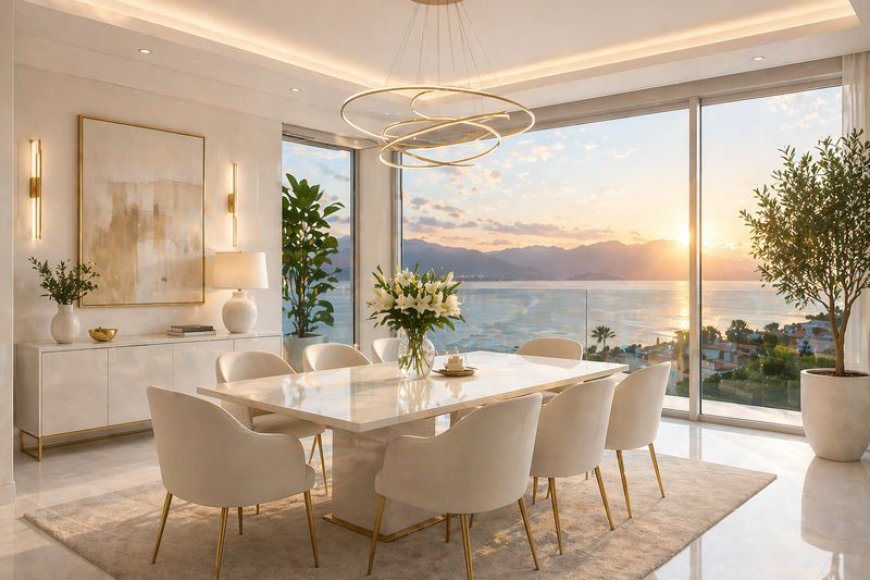
Post-Minimal: resonates with consumers prioritizing wellness, calm and sensory comfort.
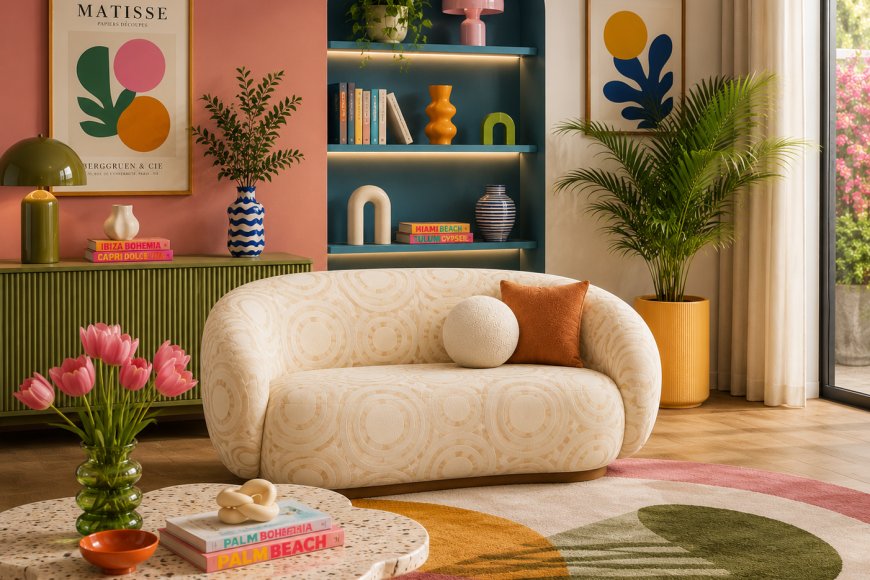
Neo-Traditional: appeals to those seeking timelessness, authenticity and balanced modernity.
Both open new paths for creativity and choice in an era defined by change. Most importantly, they also signal a collective move beyond Minimalism’s austerity, advancing toward something warmer, more expressive and more emotionally resonant.
Here are the consumer drivers behind these two mega-trends, as well as the hallmarks of their respective styles:
Post-Minimal: Serenity through simplicity
The Aesthetic:
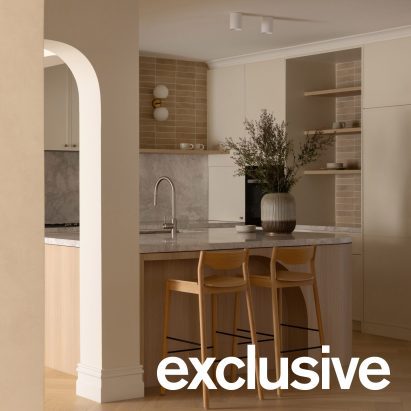
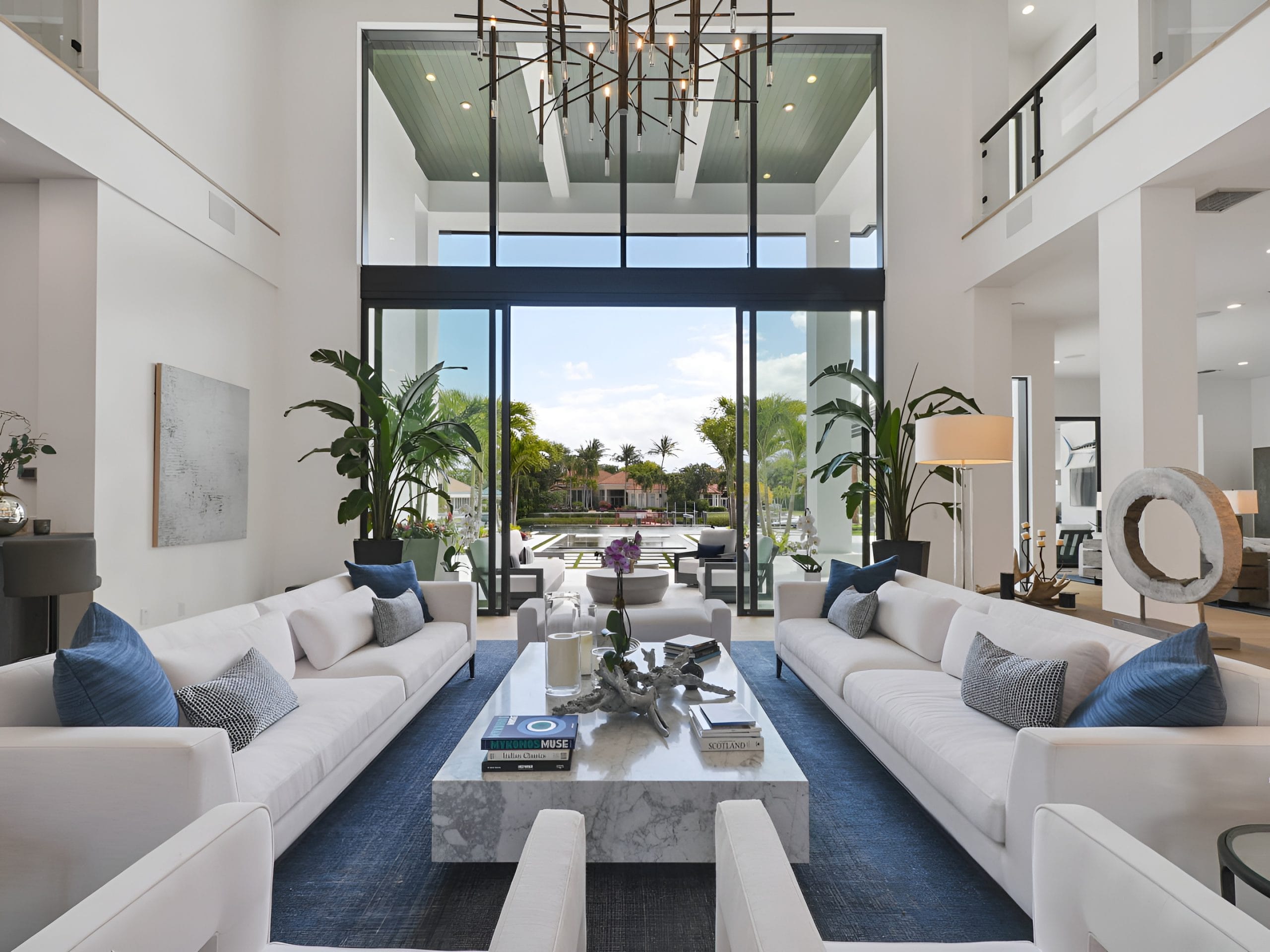
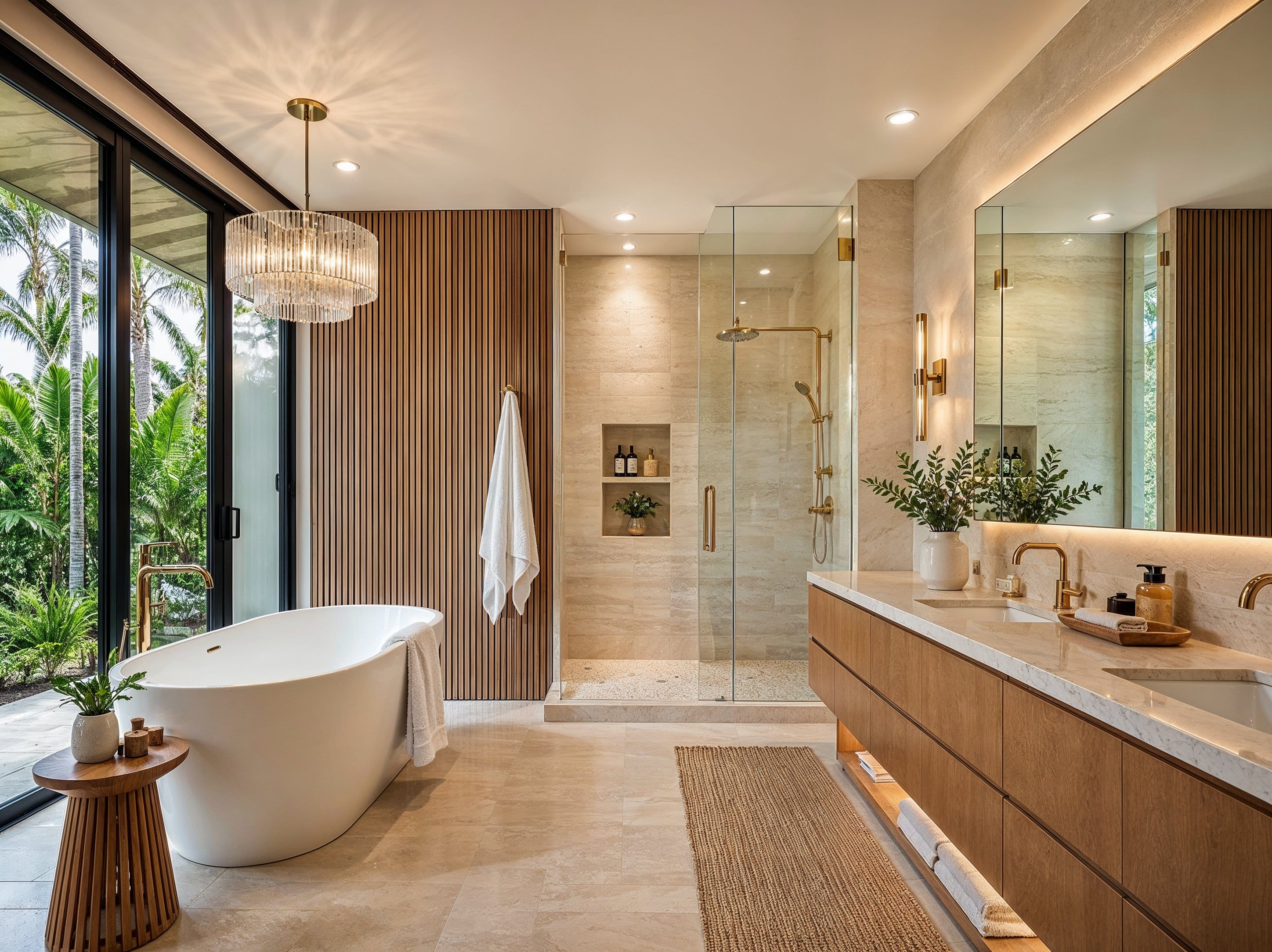
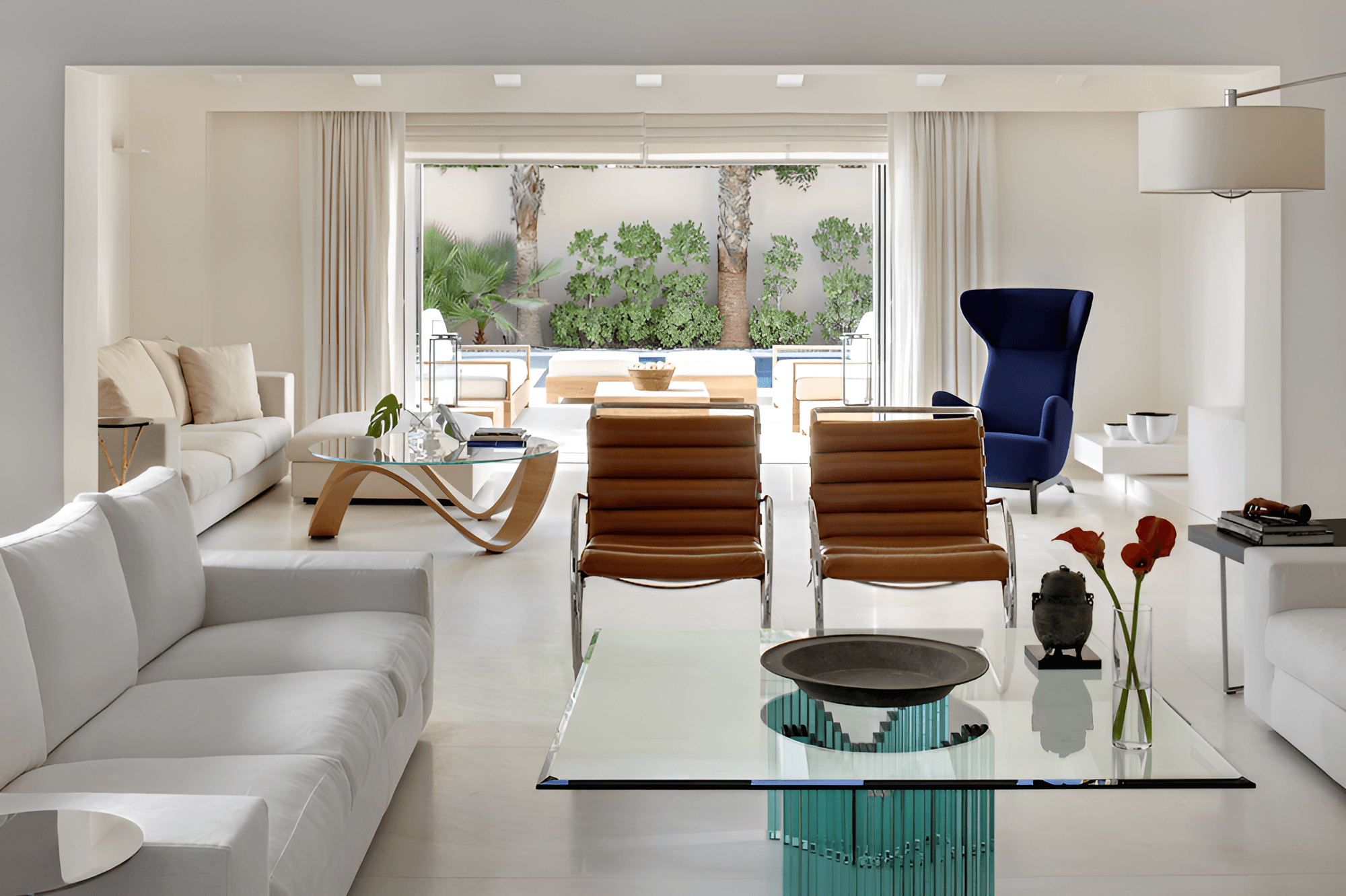
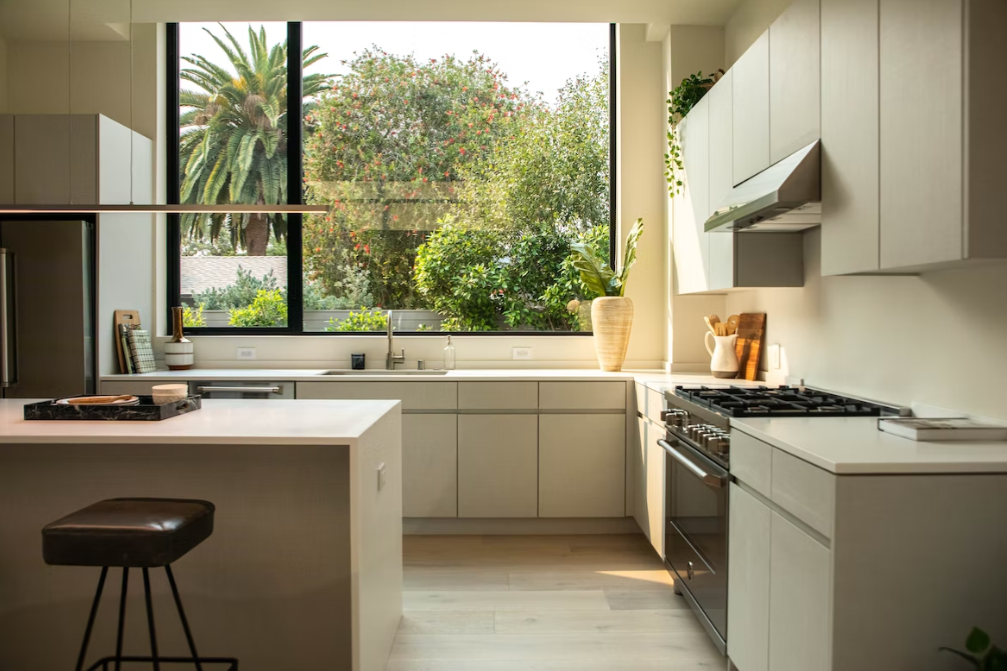
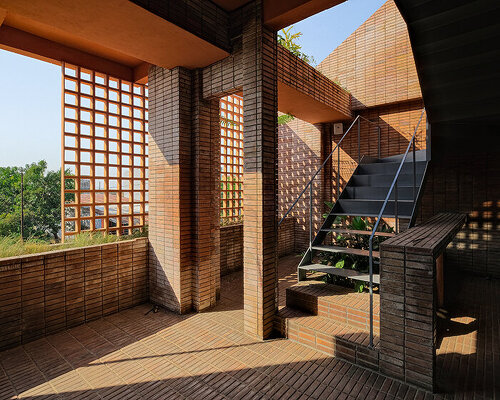
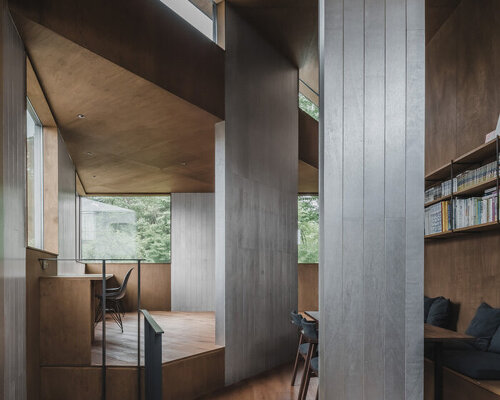
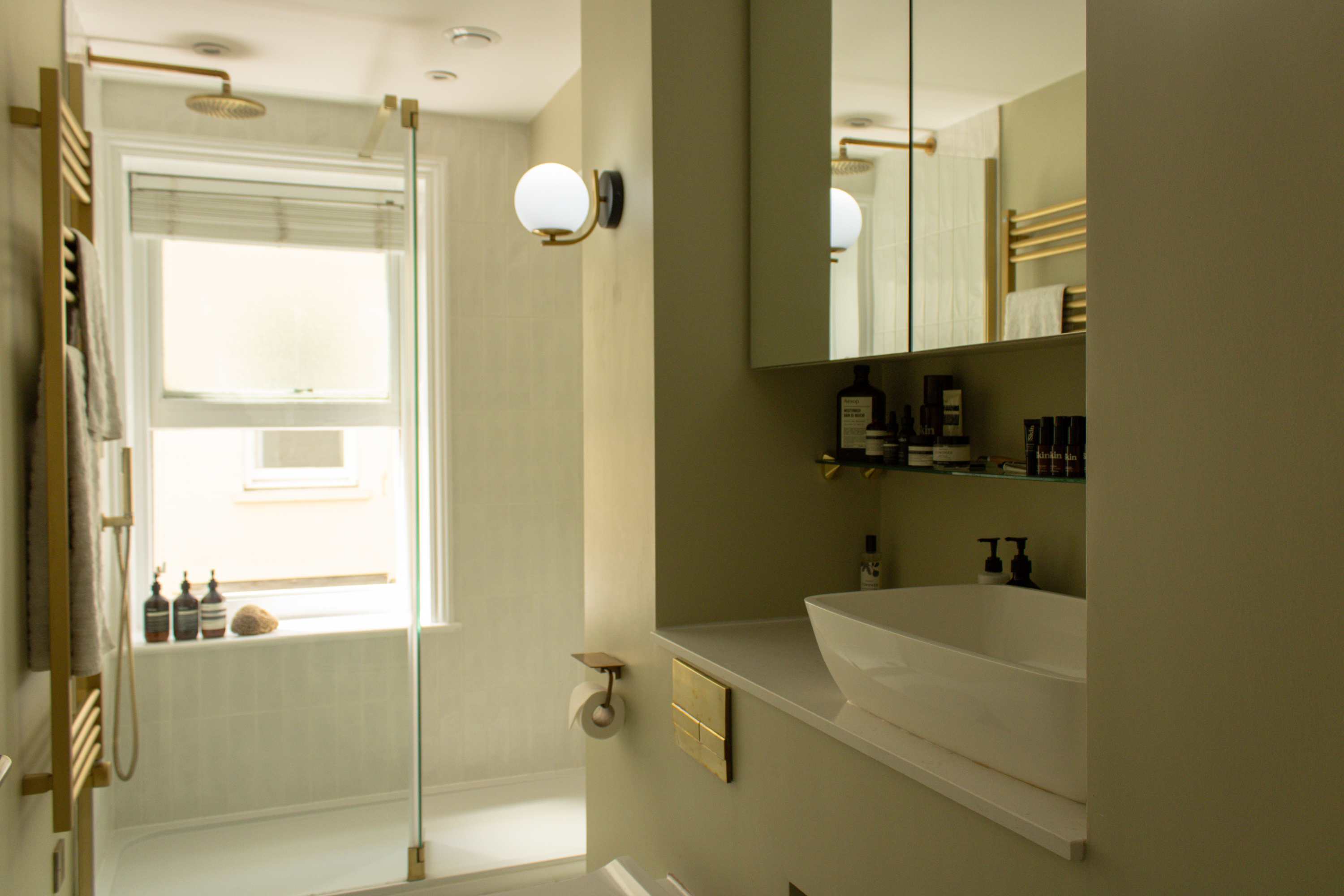
Warm Post-Minimalism channels serenity through simplicity, offering a softer, more tactile evolution of minimal design. It reflects a collective desire for calm, grounding spaces that simplify without feeling sterile. The look is clean-lined and uncluttered but enriched with texture and warmth—minimalism that feels lived-in rather than austere. Spaces are designed to be both functional and comforting, balancing clarity with a sense of quiet luxury.
The Materials:
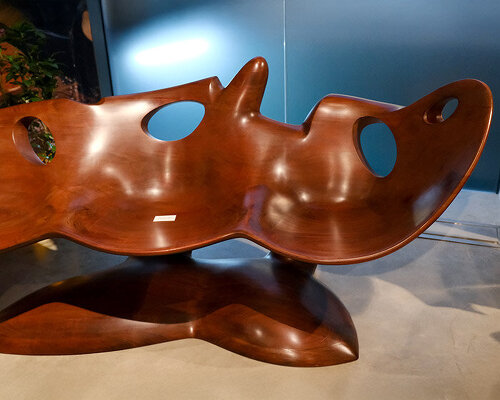
Natural oak, ash and walnut woods anchor the aesthetic, paired with finishes that highlight purity of form and the play of light. Transparency and optic effects introduce gentle movement, while tactile details like shagreen and hair-on-hide add depth. Warm metallics such as oiled bronze and brushed nickel lend subtle contrast.
The Palette & Form:
Layered neutrals like warm whites, taupe and sand, meet earthy tones of clay and moss, punctuated by muted blues and greens. Furnishings stay low and modular, with rounded edges and fluid silhouettes that invite ease.
The Mood:
Serenity and grounding define the emotional core. This is a restorative canvas for overstimulated lives — a space that balances clarity with comfort, simplicity with soul.

Neo-Traditional: Heritage with a modern heartbeat
The Aesthetic:
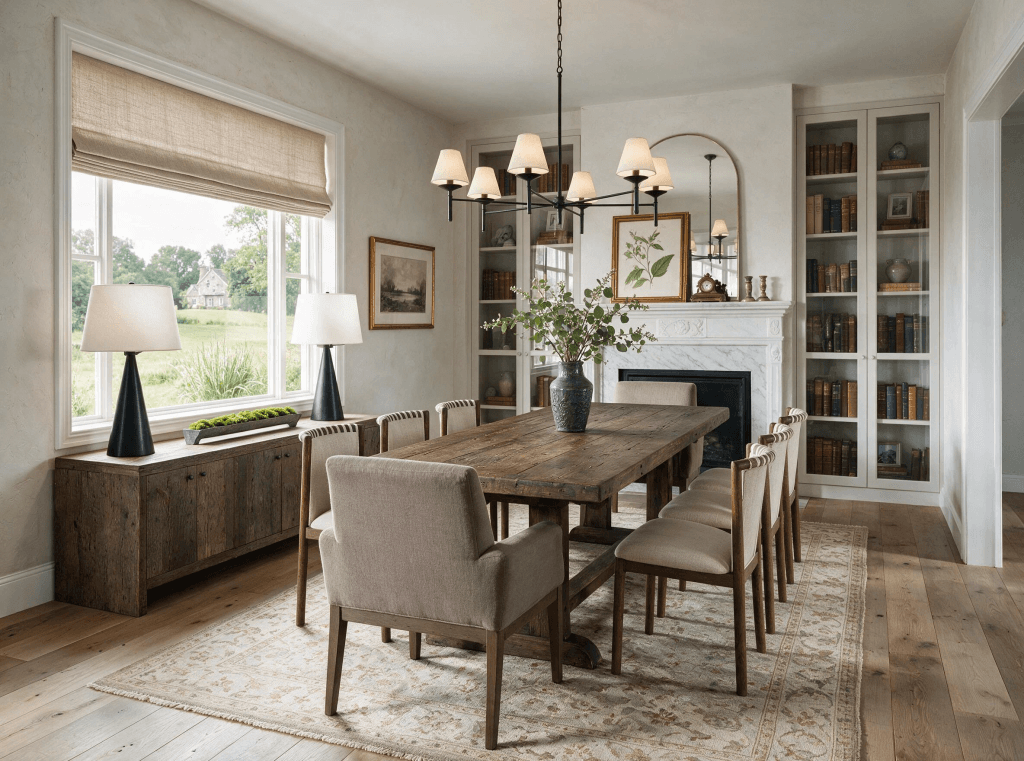
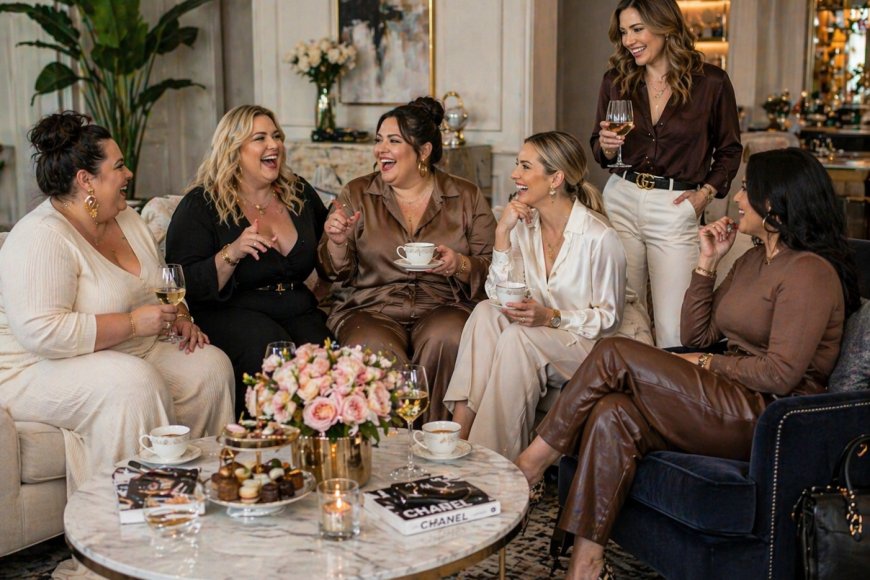
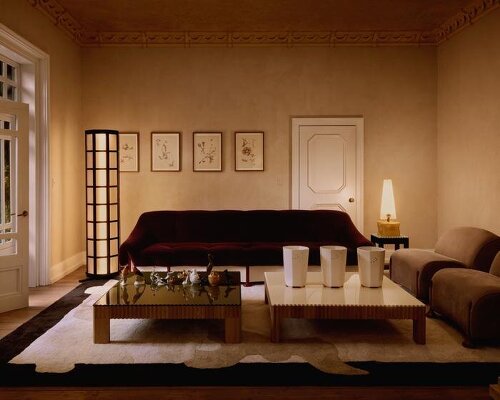
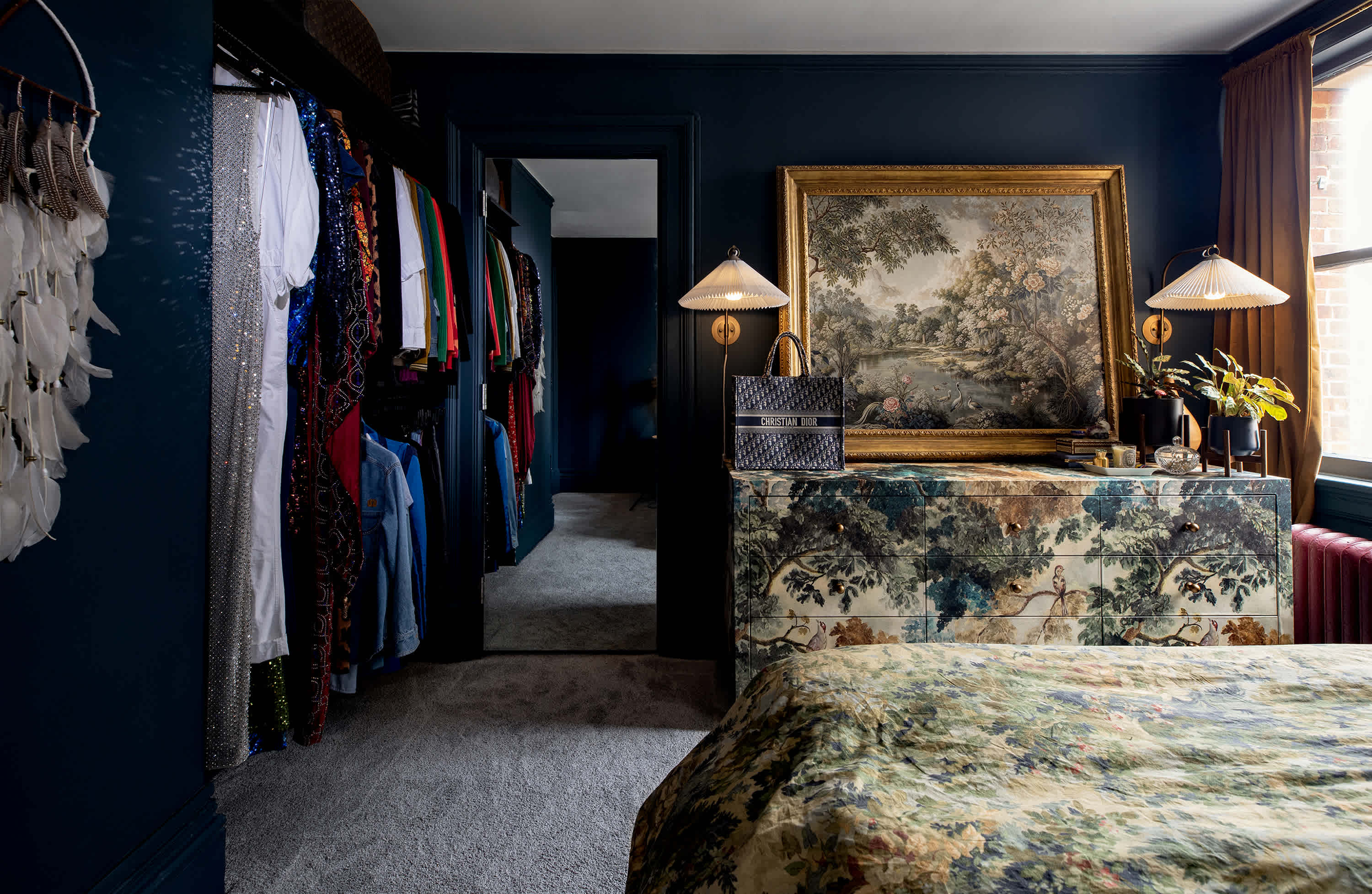
Neo-Traditional design bridges heritage and modernity, celebrating authenticity with a renewed sense of luxury. It is most relevant to those seeking timelessness and balance—an aesthetic that honors classic form while embracing contemporary ease. Spaces feel curated and expressive, layered with meaning but never overdone.
The Materials:
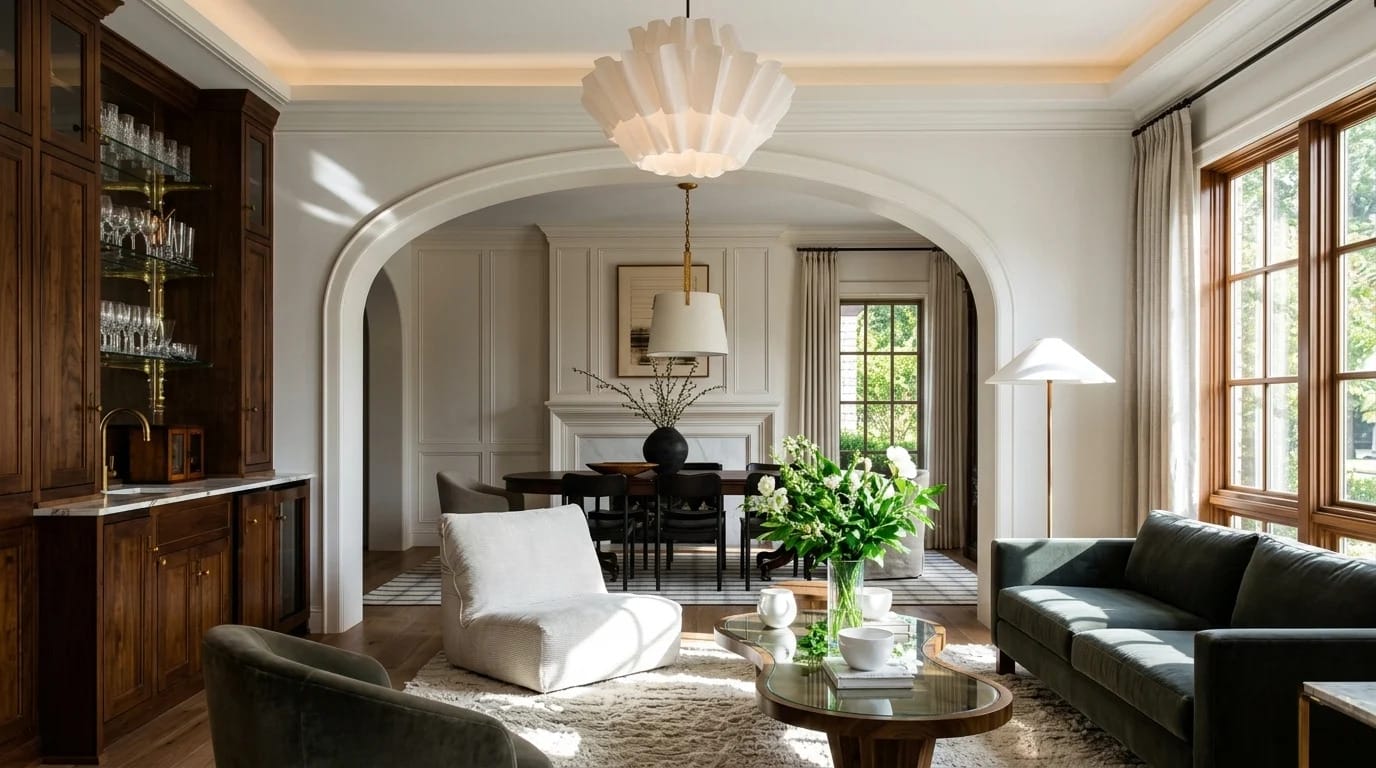
Rich stones like travertine, quartzite, and newly tinted marbles in greens and browned reds bring depth and sophistication. Upholstery carries subtle woven patterns, while tinted glass and tableware add a luminous touch. Finishes combine matte softness with polished brass and bronze, achieving quiet glamour without ostentation.
The Palette & Form:
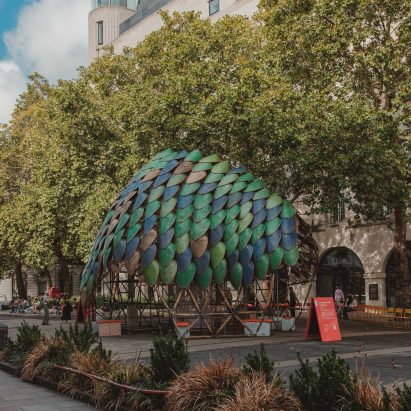
Colorful neutrals (think greige, mushroom, charcoal) form the base, enriched by muted jewel tones of sapphire, emerald and burgundy. Metallic accents glimmer discreetly amid arched forms, tailored upholstery and classical references that echo columns, moldings and architectural detailing.
The Mood:
Confident, expressive and familiar, Neo-Traditionalism exudes continuity and sophistication — a modern conversation between past and present that feels both enduring and deeply personal.

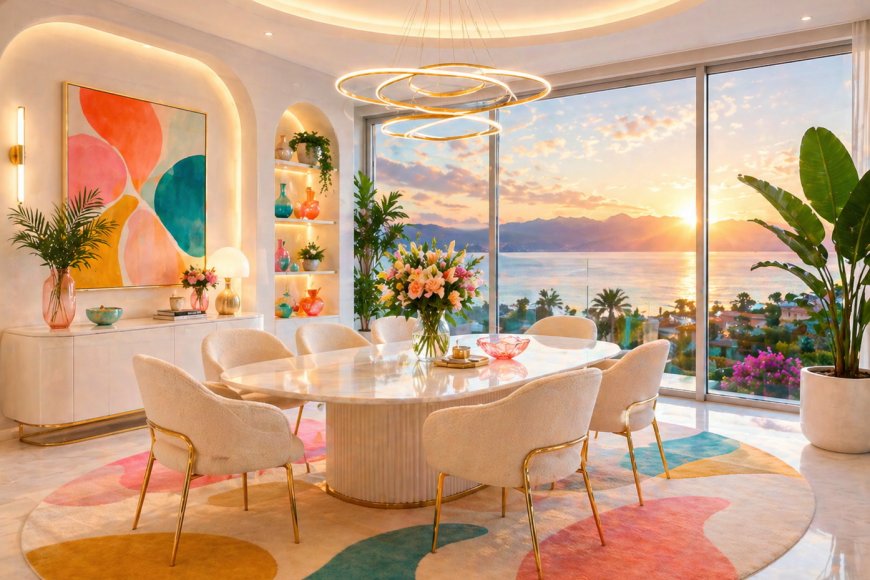
The growth zone for 2026-2028 will not reside at the extremes, but where calm meets character and where brands can deliver both serenity and story. That’s why Post-Minimal and Neo-Traditional are destined to become home interiors trend leaders. They will achieve this status independently as well as with the help of a constellation of smaller “-isms” and ”-cores” that will orbit them, adding nuance, but not eclipsing these dominant forces.
Michelle Lamb is the founder of The Trend Curve. Tom Mirabile is the founder of Springboard Futures. They are Home Accents Today trend ambassadors.