









Keiji Ashizawa envisions Loca Niru restaurant as "a dialogue across time"


Located in the historic House of Tan Yeok Nee, Japanese restaurant Loca Niru in Singapore has a pared-back, simple interior that contrasts its ornate exterior.
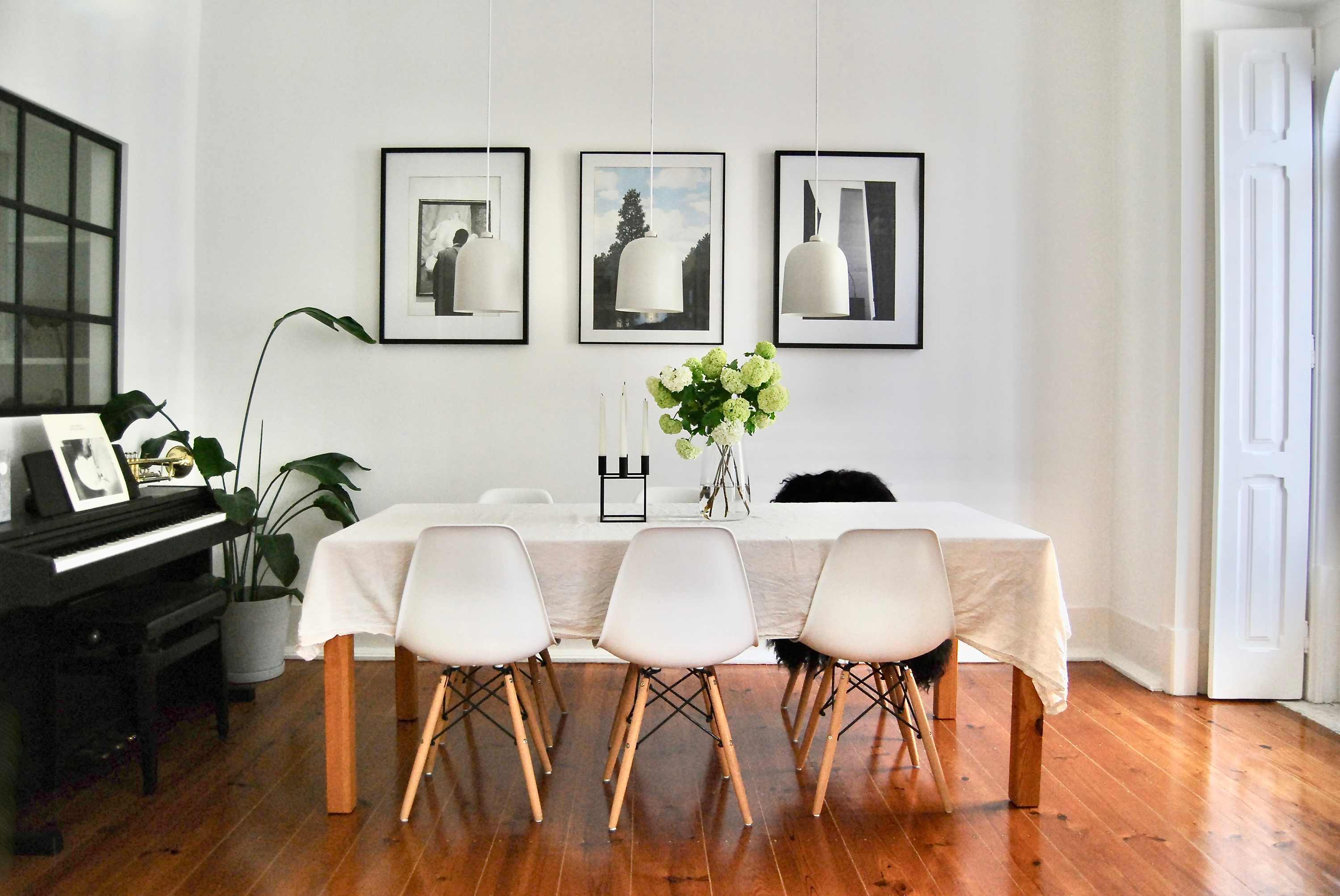
Architect Keiji Ashizawa, founder of Keiji Ashizawa Design, wanted to create a calm atmosphere in the restaurant, which is named after two Zen concepts.

"Rather than designing a space that asserts itself, we sought to create an environment that quietly frames human activity – where architecture recedes and experience comes forward," Ashizawa told Dezeen.
"At the same time, as this is a restaurant located within an important cultural site in Singapore, we carefully considered from the outset whether this concept would be appropriate and meaningful in such a context."

The House of Tan Yeok Nee was built in the 1880s in the traditional Teochew style and has been designated a National Monument of Singapore.
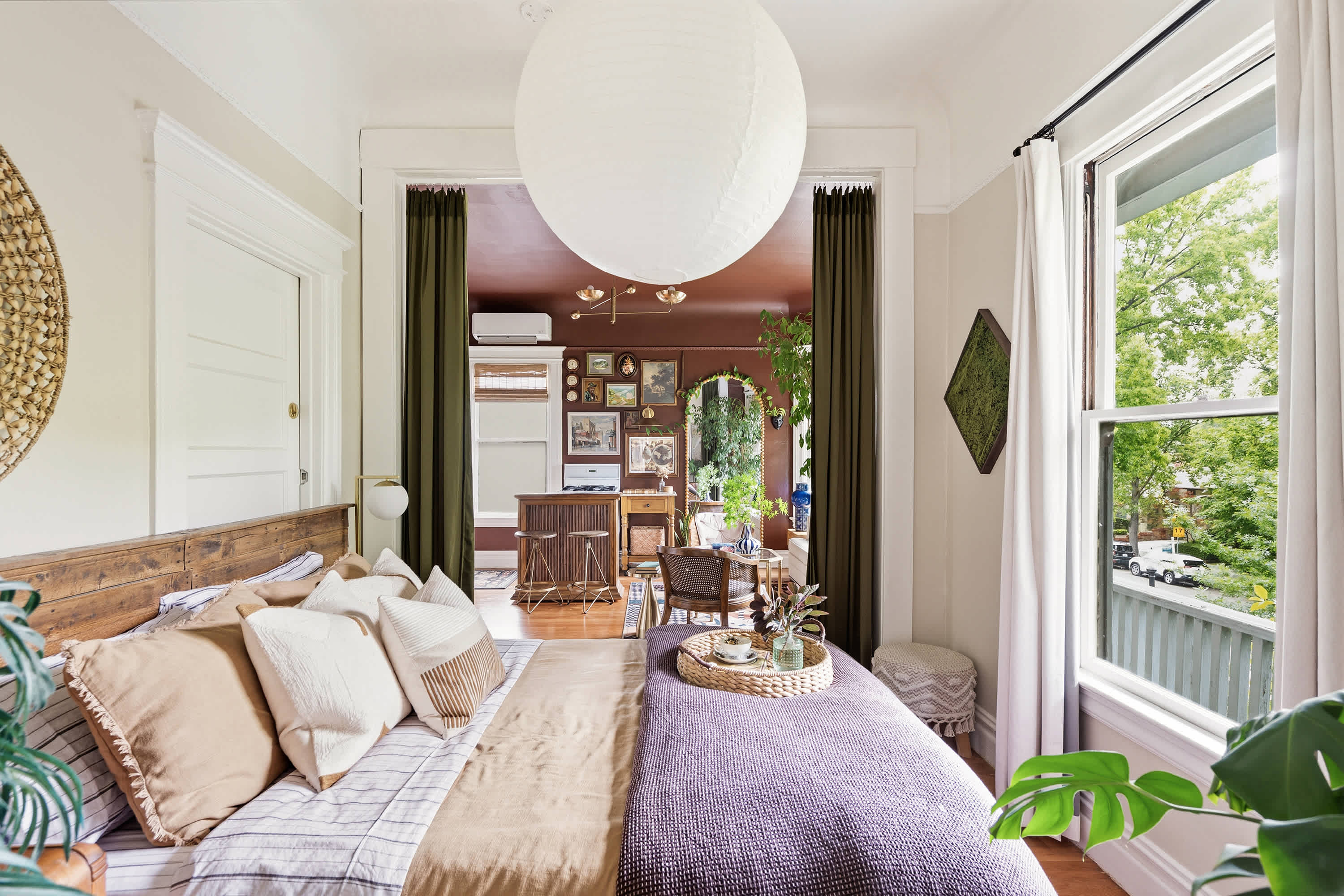
Its exterior features an ornately decorated roof and wooden shutters with flower motifs, while inside, Ashizawa worked with wood, stone and washi paper to create a more contemporary feel while also highlighting the building's historic features.

"We approached the project as a dialogue across time, allowing new elements to be clearly contemporary, yet respectful in scale, proportion and presence," he said.
"Elements such as materials and colours to be preserved were also carefully studied, and integrated into the overall palette to maintain harmony between the old and the new."

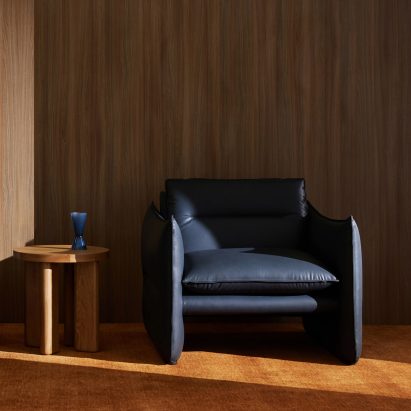
The architect created contemporary furniture pieces with Japanese brand Karimoku and used Echizen washi paper to design bespoke lamps with simple, geometric shapes for the Loca Niru interior.
Ashizawa also added artworks by Japanese artists and woven textile hangings to subtly decorate the space.
"We focused on honest materials, allowing their natural qualities to age gracefully over time and deepen the atmosphere of the space," he explained.
"Whenever possible, we selected materials that invite touch – surfaces that feel almost like ingredients, engaging the senses beyond the visual."

The colour palette of the restaurant was kept neutral, focusing on greige, natural wood and grey hues.
"The historic building itself is richly coloured and highly decorative, so we introduced a softer and more restrained palette inside the restaurant to create a calm contrast," the architect said.
"This reduction of colour allows light, shadow and materiality to become the primary elements of expression."

Ashizawa aimed for the interior of Loca Niru, which serves French-Japanese food, to have a peaceful feel.
"Ultimately, the space is designed to create a sense of stillness – where guests become more aware of time, presence and the act of dining itself," he said.
"We also hope that guests can appreciate the layered history embedded within the space, experiencing both the past and the present simultaneously."

Other recent Singaporean projects featured on Dezeen include a house designed as the client's "last home" and a rainforest resort with treehouses that look like seed pods.
The photography is by Tomooki Kengaku.
Project credits:
Architect: Keiji Ashizawa Design
Project architect: Keiji Ashizawa, Yudi Liu
Local architect: Lian Architects
Construction: Sunray Woodcraft Construction Pte Ltd
Tiles: Dantousha
Furniture: Karimoku Furniture, Karimoku Case
Lighting plan: Auroroa Inc., Yoshiki Ichikawa
The post Keiji Ashizawa envisions Loca Niru restaurant as "a dialogue across time" appeared first on Dezeen.