


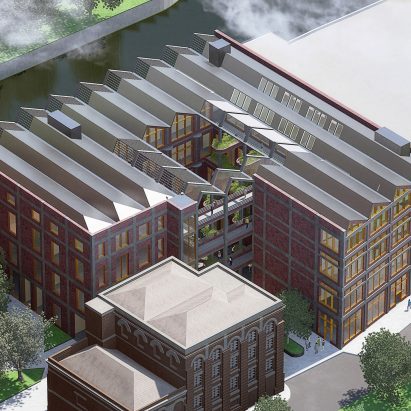
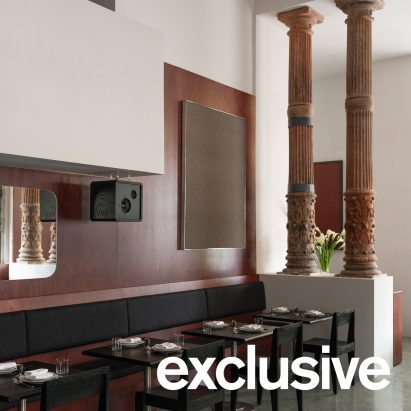





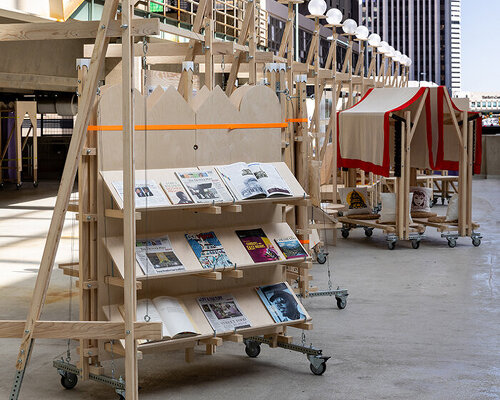
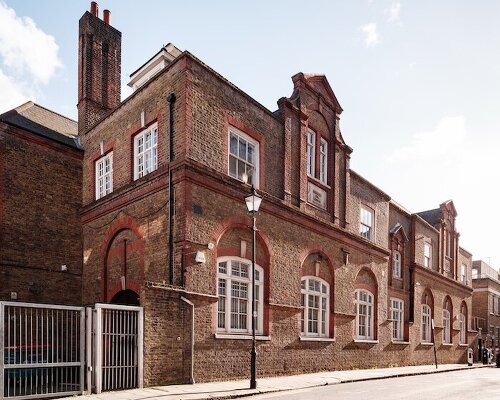




A&M architects designs for connection between people and place

Responsive Architectural Practice Rooted in Context
Founded in 1983, A&M Architects has developed a body of work grounded in context, continuity, and long-term thinking. The Athens-based studio approaches each project as a specific response to its users, its environment, and the conditions that shape it. Rather than beginning with a predefined formal language, the practice works through the relationships between people and place. Architecture is understood as a framework that supports everyday life, enabling interaction, adaptability, and a sense of belonging. Across scales and typologies, this approach results in spaces that are clear, resilient, and open to change. The emphasis is placed on how buildings are inhabited over time, prioritizing human experience and lasting relevance.
‘For us, each project is a new set of conditions to be understood on its own terms. Every brief brings different users, contexts, and expectations, so it’s important to begin with an open mind and allow the design to emerge from those specific needs,’ states the firm in an exclusive interview with designboom.

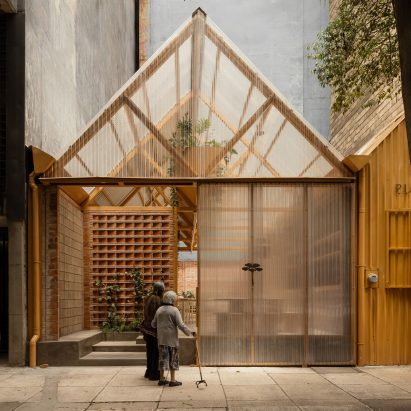
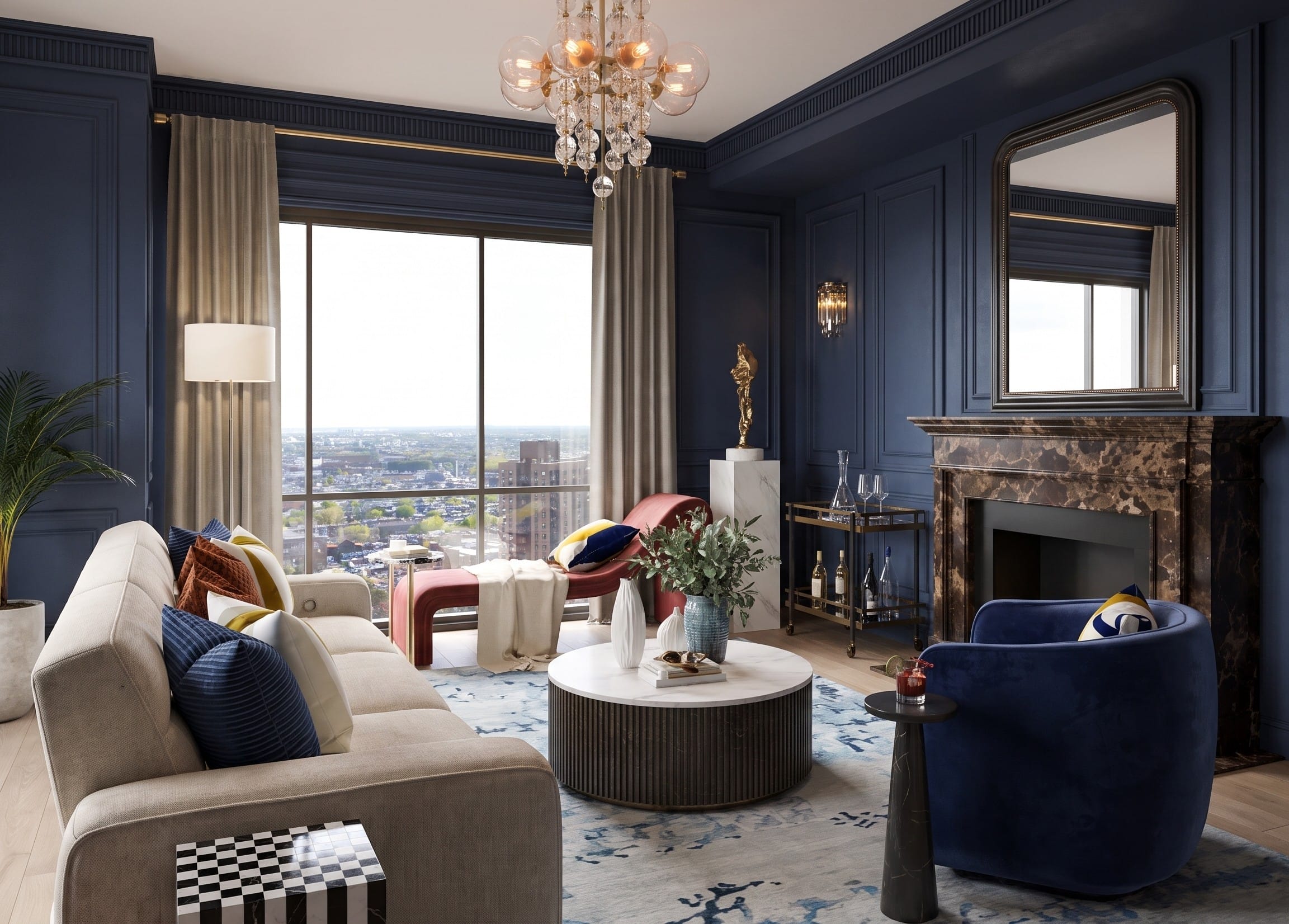
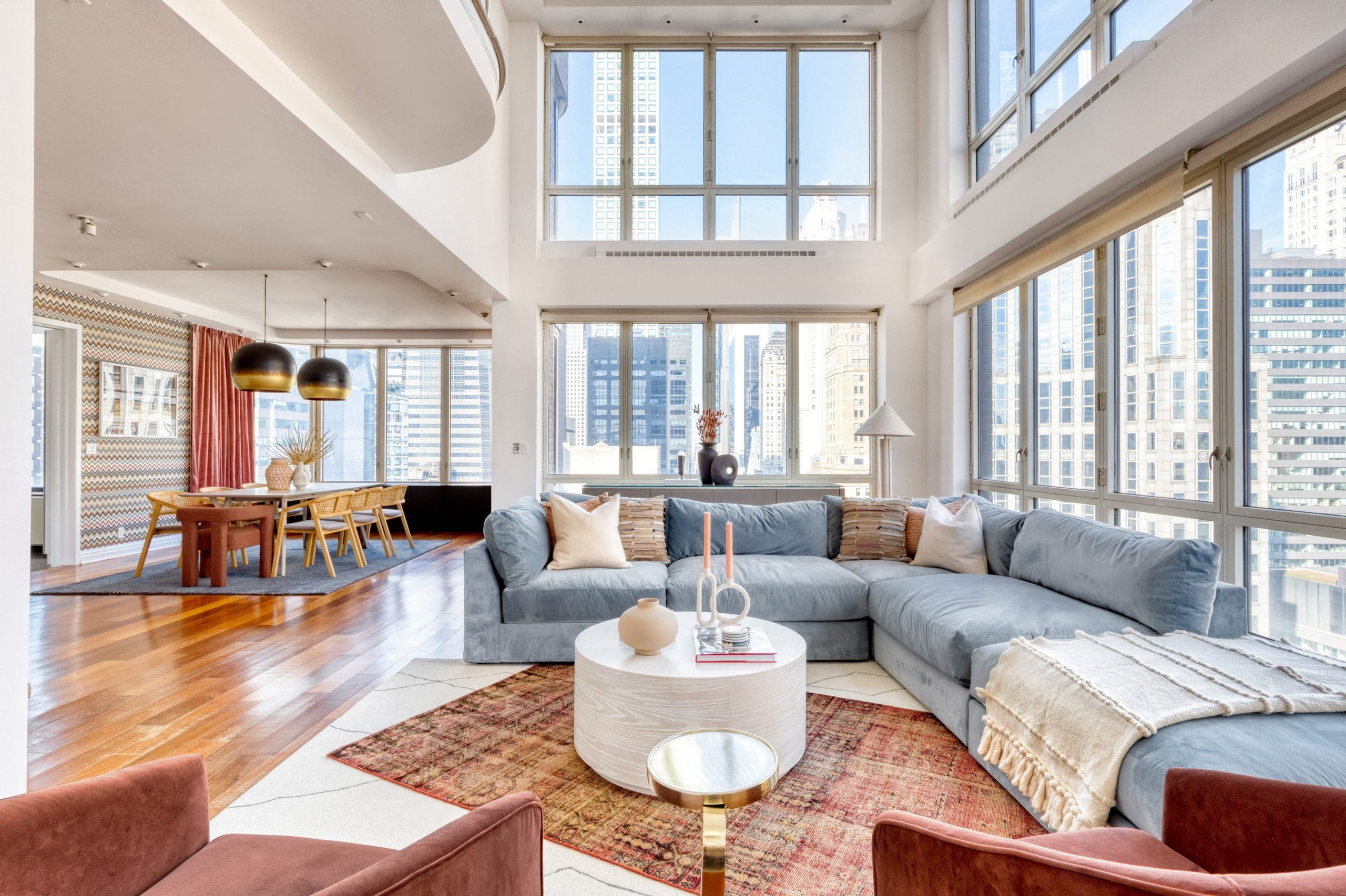
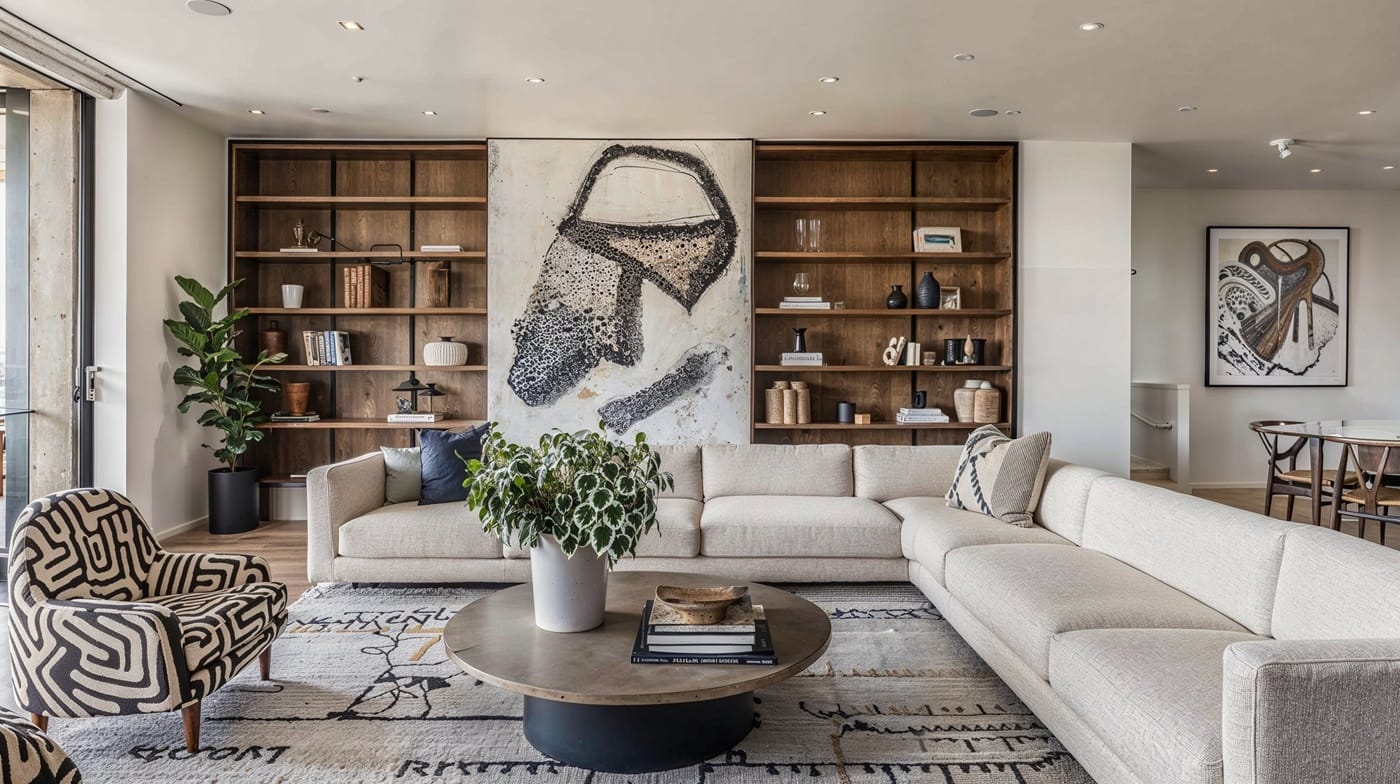
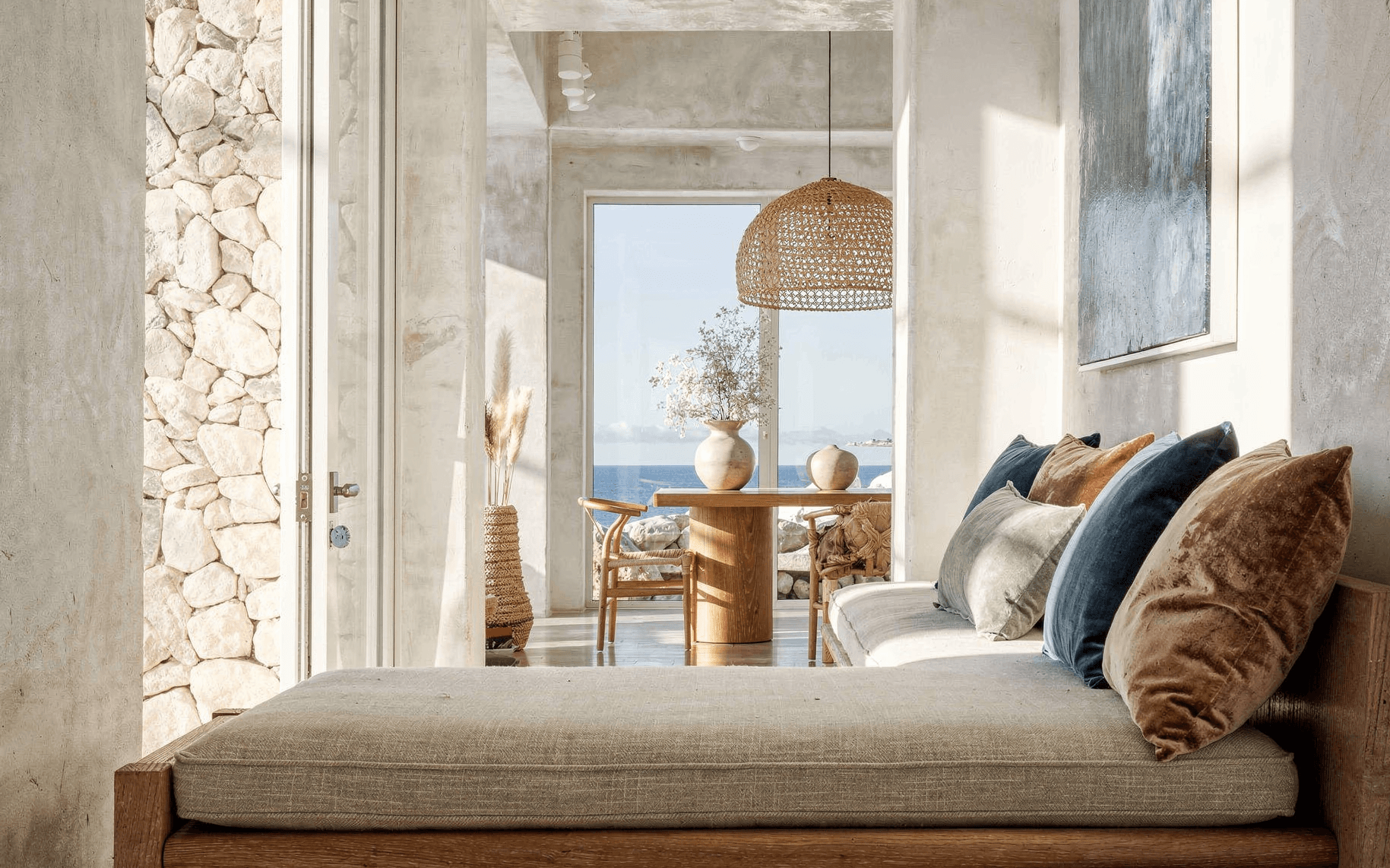
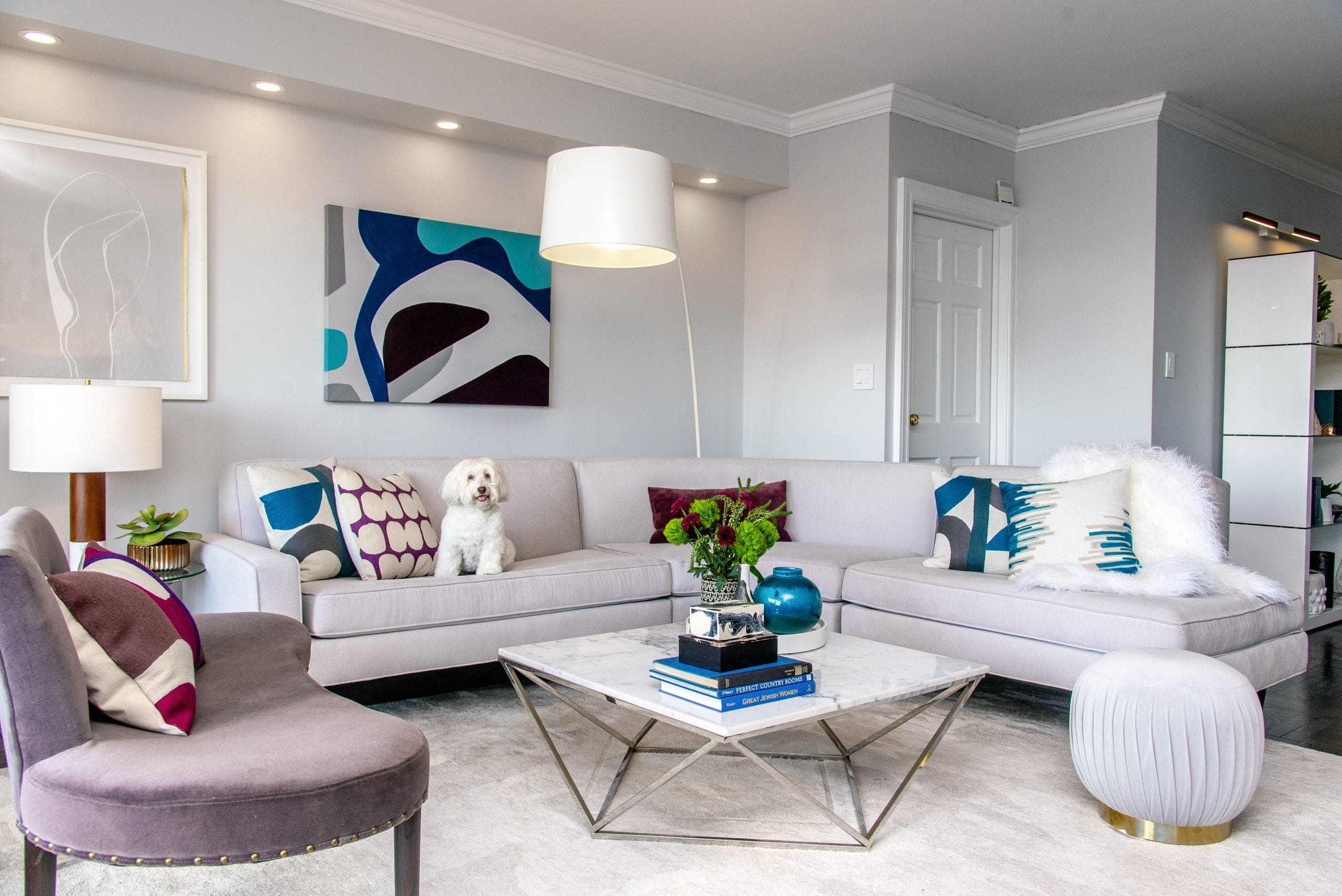
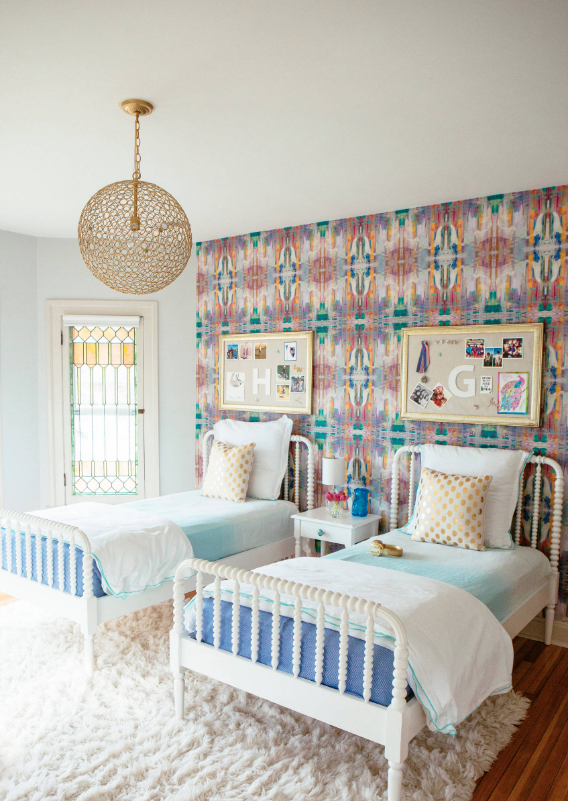
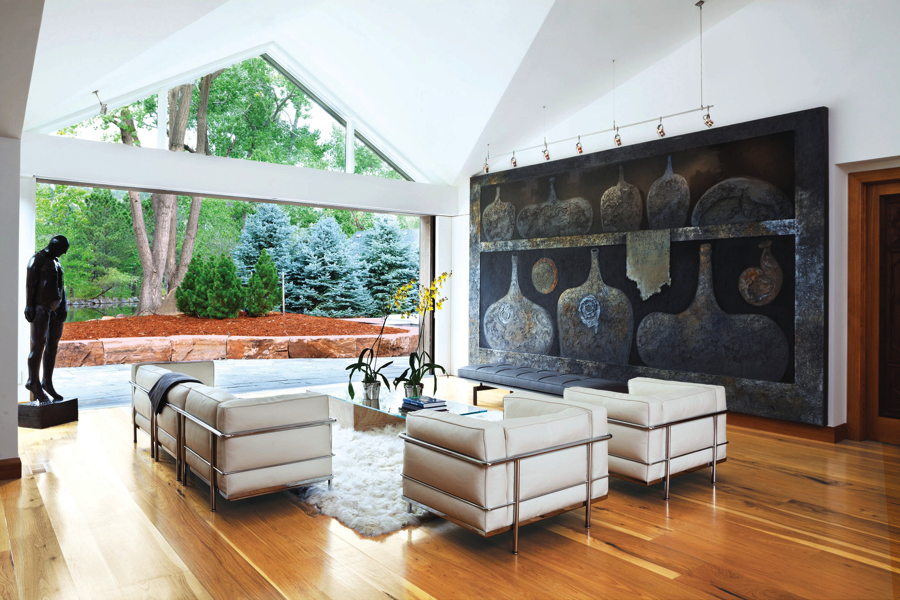
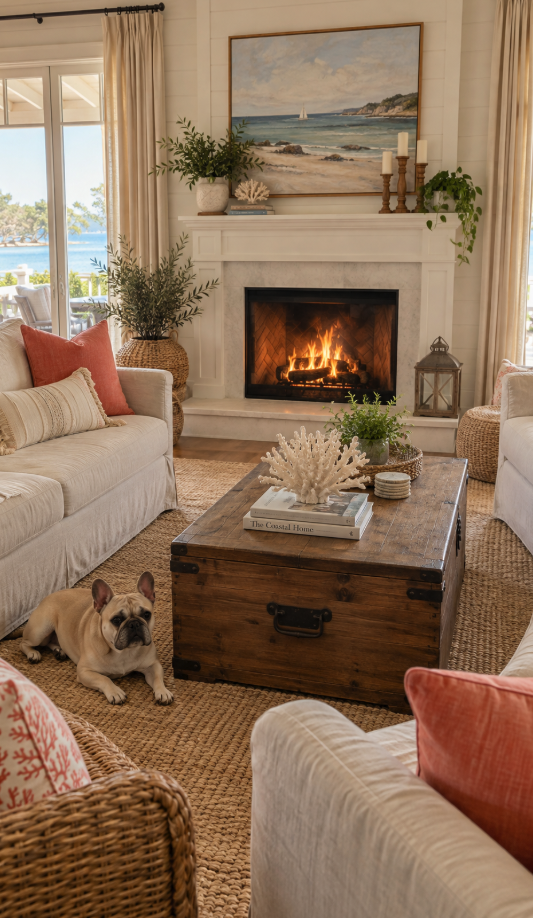
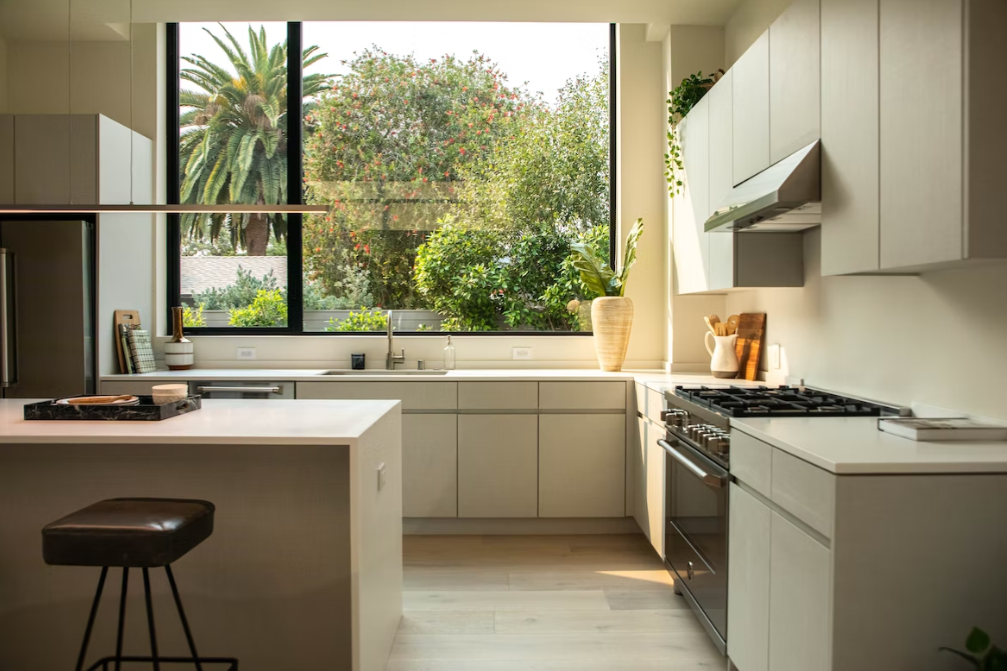
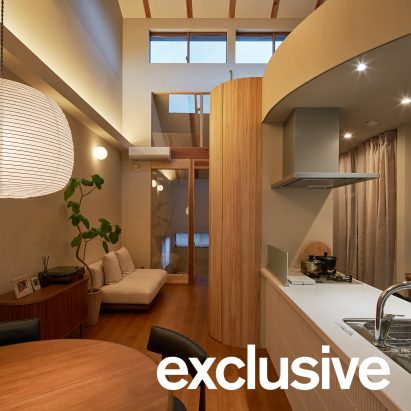
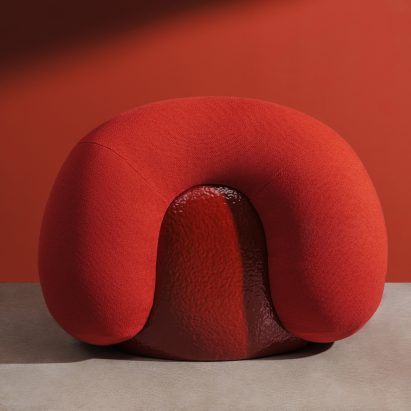
A&M Architects designs for connection between people and place | all images courtesy of A&M Architects
A&M ARCHITECTS INTEGRATED METHODOLOGY
The ability to remain responsive to user needs is rooted in the firm’s internal structure — a multidisciplinary studio of more than 75 professionals operating across six specialized fields, including architecture, engineering, interior design, and project management. Rather than a linear hand-off between experts, A&M Architects functions as an integrated ecosystem where different disciplines shape decisions from the project’s inception. By bringing architects, engineers, and designers into the same room from day one, technical constraints and design opportunities are understood simultaneously. This synchronized synergy allows the team to challenge assumptions and explore integrated solutions that would otherwise be lost in a more siloed, sequential process.
‘Architecture is never a solitary act, and the quality of those relationships directly influences the quality of the work. From the beginning, design intent is developed alongside engineering and construction thinking, so that ideas are tested, challenged, and refined early on. This allows us to move forward with clarity rather than compromise later in the process,’ they explain.

Aperi Residence 1955
This multidisciplinary approach is not merely a logistical arrangement but a reflection of the studio’s evolving leadership narrative, which emphasizes collective intelligence over a traditional top-down hierarchy. By viewing the ‘Building Relationships’ philosophy as an internal mandate as much as an external goal, the practice fosters an environment where curiosity and continuous learning are prioritized. This culture ensures the practice remains a dynamic organism, allowing the team to navigate the complexities of international standards while maintaining the narrative-driven focus that has defined the firm since its founding.
‘Over the past four decades, the practice has been built on relationships, trust, and a certain way of working. We see this not as something to preserve unchanged, but as a foundation to build upon… carrying our culture and identity into the future with clarity and intention.’

SAY Hotel
APPLYING MULTIDISCIPLINARY DESIGN VALUES ACROSS SCALES
This methodology is applied across a diverse portfolio, from hospitality and residential developments to complex workplace environments for global organizations. For A&M, the office is no longer just a setting for productivity, but a testing ground for culture and new social behaviors. This is exemplified in the redesign of Pfizer’s Greek Headquarters in Athens. Originally built by A&M in 2001, the space was transformed 20 years later from a conventional, isolated layout into an exemplary future-forward workplace. The new design celebrates choice, offering a variety of atmospheres ranging from distraction-free cubicles and acoustic phone booths to meeting rooms that transform into open-air gardens. By using data provided by the departments, the team created a dynamic, human-centric environment that supports up to 200 users without conforming to corporate stereotypes.
‘The workplace today is no longer just a setting for productivity, it’s a space where culture, identity, and ways of working are actively shaped. Through design, we can introduce a range of spatial conditions that support different modes of interaction… the office becomes a framework for evolving workplace culture, where design supports not just efficiency, but new ways of relating, collaborating, and being present together,’ explains the practice.

Campari Offices
The studio’s commitment to adaptability extends into the residential realm, where projects are designed to mirror the evolving ways of living that define contemporary life. Moving away from rigid room functions, A&M Architects views the home as a resilient environment that must accommodate shifting family structures, work patterns, and daily routines. By prioritizing spatial flexibility over sheer size, the practice organizes spaces to support a fluid balance between shared and private moments — a duality that is essential for fostering healthy human relationships. This approach ensures that a home can bring people together for collective interaction while providing the independence required for modern life.
‘One element we believe should be fundamental in every home is a degree of spatial flexibility. Even within a defined footprint, allowing areas to support multiple uses can create a better balance between shared and private moments. A home should bring people together, but also allow for independence when needed.’

Sheltered Villas in Karpathos
By developing design intent alongside engineering and construction thinking from the project’s inception, the practice ensures that ideas are tested, challenged, and refined early on. This simultaneous involvement across all phases allows the team to move forward with clarity, ensuring that the essence of a concept remains intact even as constraints emerge. Rather than resisting these constraints, A&M Architects views factors such as budget, structure, and materials as drivers for better solutions that give the initial vision precision.
‘The goal is not to protect an idea unchanged, but to evolve it carefully, so that what is ultimately built still carries the essence and intention of the original concept. Constraints often become a driver for better solutions, helping to ground the initial vision.’

Sheltered Villas in Karpathos
Whether designing an airport retail space where clarity reduces stress or a home that balances communal and private moments, the goal remains the same: to ensure architecture continues to bring people together in meaningful ways. As the practice looks toward the future, it remains committed to an architecture that is not fixed or given, but one that is curious, responsible, and reflective of a changing world.
‘We would hope the next generation takes away the importance of approaching each project with openness and responsibility, understanding that architecture is not just about form, but about people, context, and long-term impact. Rather than settling into a specific way of working, it’s important to remain open, to question, and to adapt,’ advises the architectural firm.

Sheltered Villas in Karpathos

Anemelia Mykonos

Anemelia Mykonos

Anemelia Mykonos

Anemelia Mykonos

Amalias Office Building
project info:
name: A&M Architects | @amarchitects
location: Athens, Greece
The post A&M architects designs for connection between people and place appeared first on designboom | architecture & design magazine.