








Seven exhibitions that showcased Japanese design in Copenhagen

There was a strong Japanese influence on this year's edition of Copenhagen's annual design week, with designers and brands from Japan, including Issey Miyake and Karimoku, showing works both on and off the 3 Days of Design schedule.
The interest in Japanese design has skyrocketed in recent years, as the country becomes an increasingly popular travel destination, while shows such as Designart Tokyo, Osaka Art and Design and Alter showcase the talents of emerging designers.
In Copenhagen, many of the designers that Dezeen spoke to underlined the compatibility between Japanese and Scandinavian design, highlighting both regions' use of natural materials and focus on hospitality.
The shows ranged from new launches by established brands to smaller group shows that focused on individual designers. Below, we've collected some of the best exhibitions on Japanese design seen during 3 Days of Design 2026.
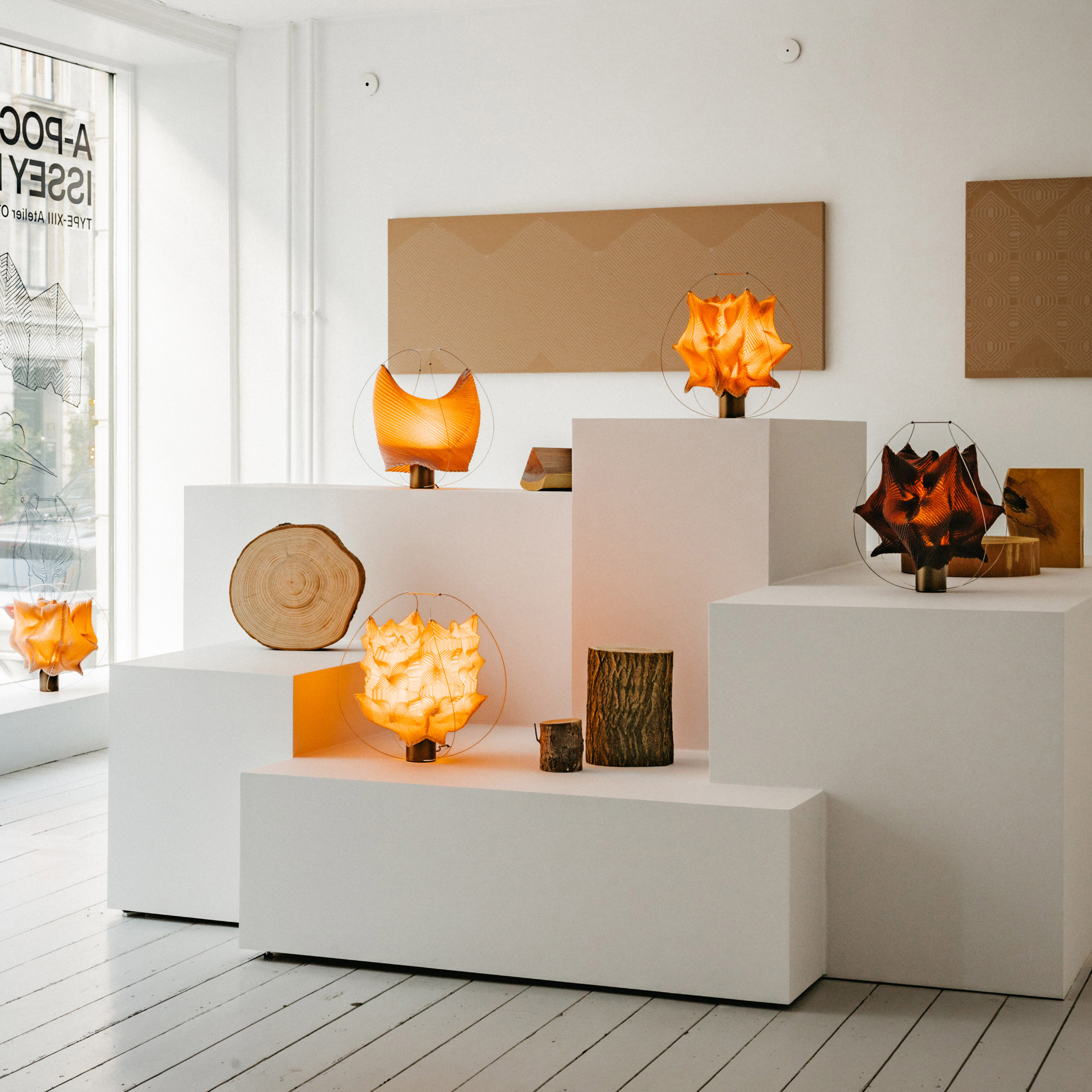
O Series by A-Poc Able Issey Miyake
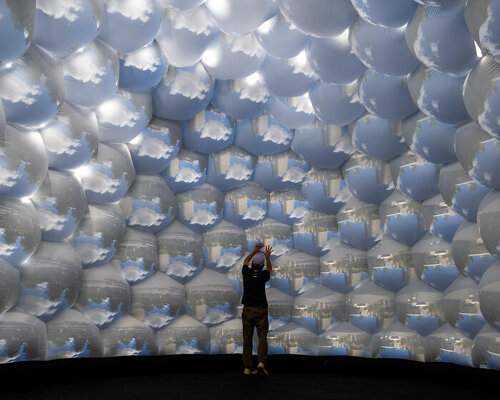
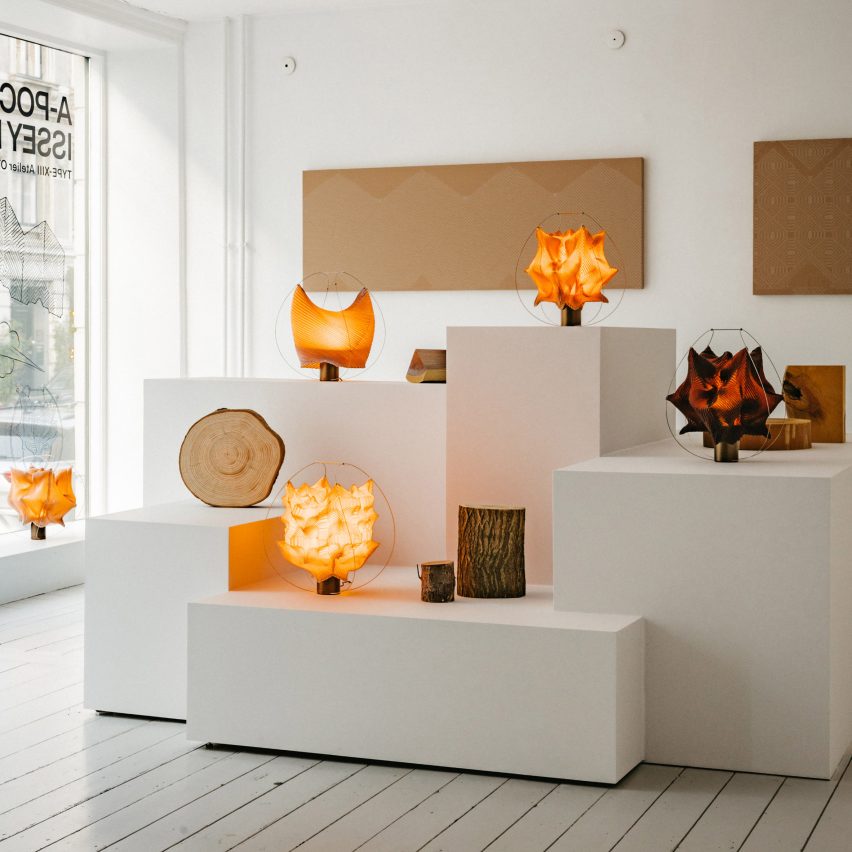
Fashion brand Issey Miyake's A-POC Able presented its first show in Copenhagen, unveiling its pleated O Series lamp – initially launched in Milan last year – in new colours designed especially for the Scandinavian market.
"Last year, after Milan, we came here and I got lots of inspiration," A-Poc Able designer Yoshiyuki Miyamae told Dezeen at the event.
"Danish design and Japanese design are, I think, very similar. We respect design, of course, and we also respect nature."
While the O series lights were initially introduced in white, the Copenhagen editions came in colours inspired by the organic textures of wood and stone, a nod to the influence of nature on both Japanese and Scandinavian design.
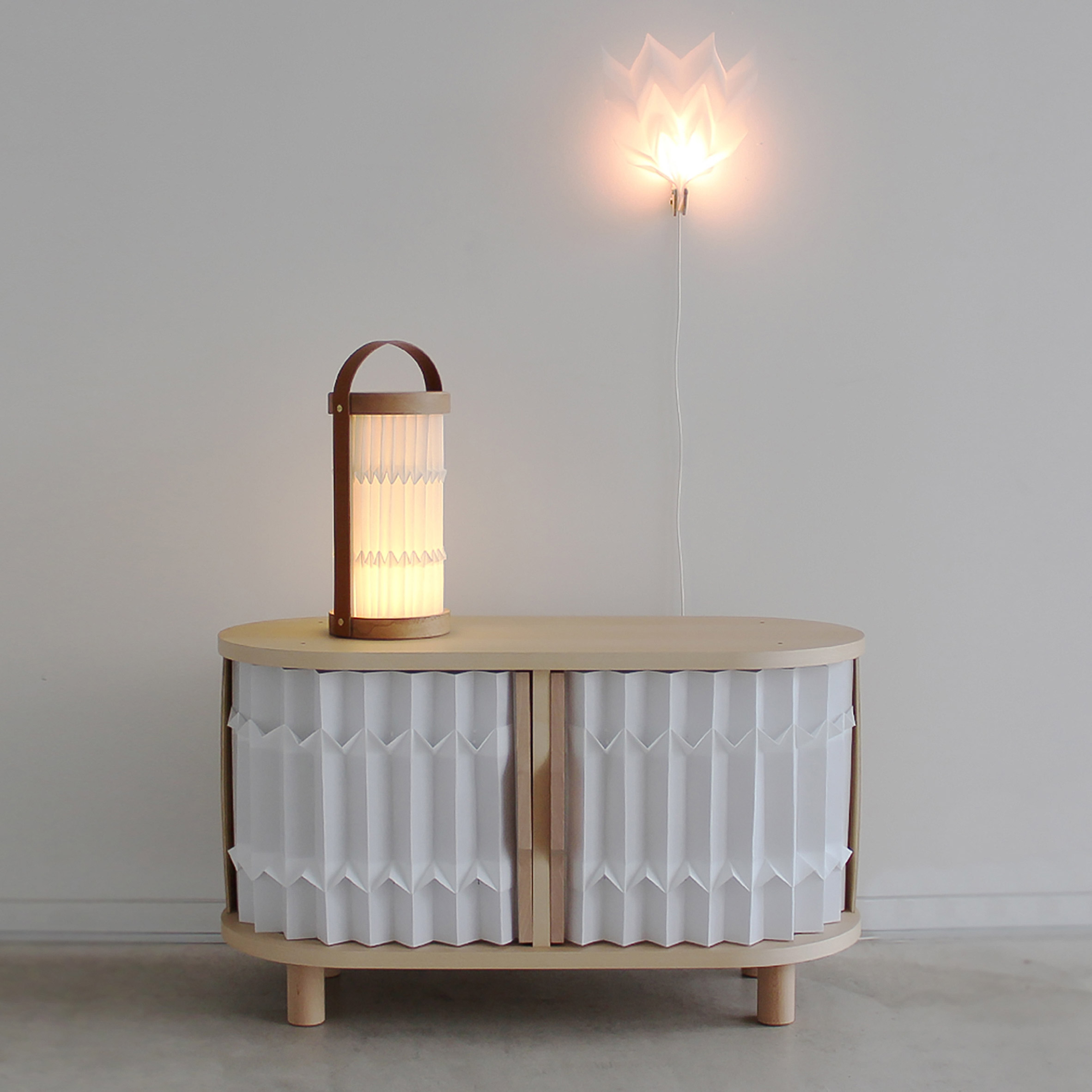
Origamine
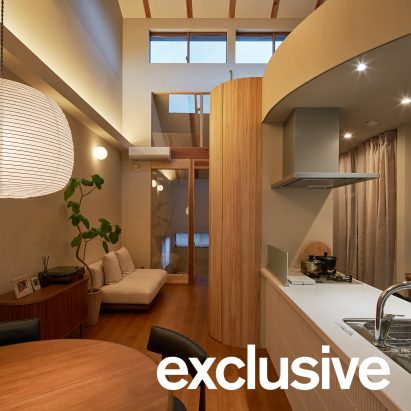
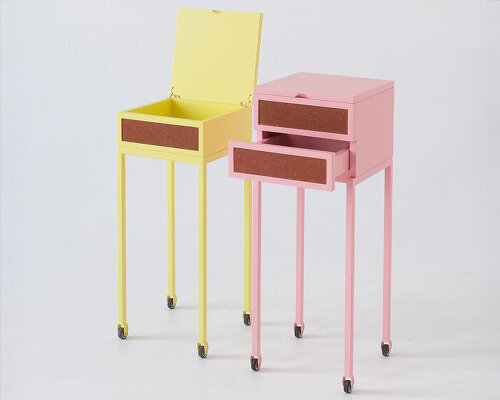
Washi-paper folding techniques were combined with functional designs that draw on Danish style to create Origamine, product designer Tomomi Yokoyama's take on Japandi design. Her sculptural sideboards and cabinets were matched with delicate washi-screen lamps.
"Japandi style is very trendy, but most of the time it's Europeans taking the Japanese style," Yokoyama told Dezeen. "I thought 'maybe there's a Japandi style from Japan's perspective' – putting Danish or European materials back to Japan. This is a new expression of Japandi."
Also showing together with Yokoyama was designer Takashi Seino, who displayed forward-thinking furniture with 3D-printed upholstery and a ribbed metal light fixture that "reinterprets the shared lighting culture of Japan and Denmark".
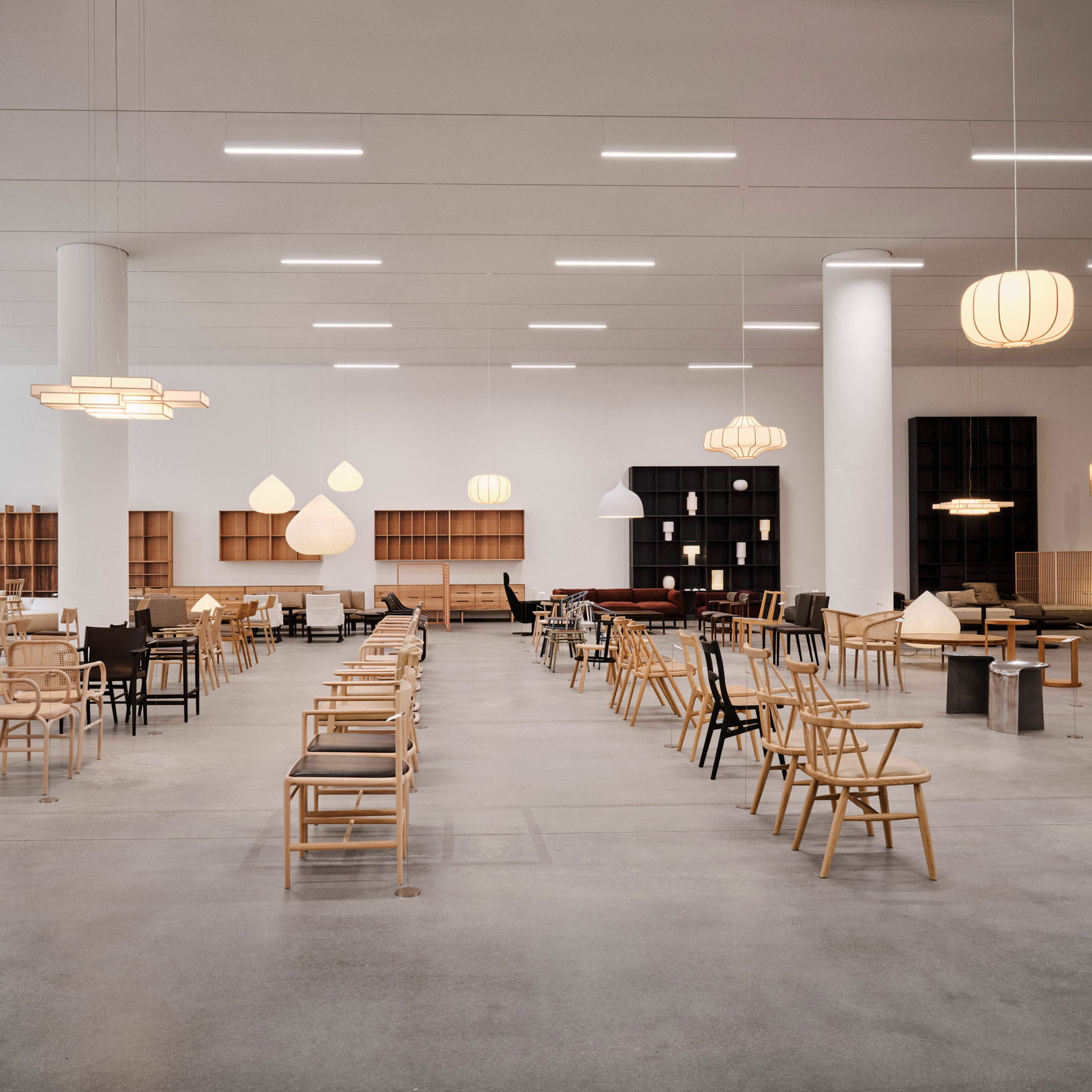
Time & Style
It was Tokyo-based Time & Style's second year in a row at 3 Days of Design, and the brand went all in, unveiling a wide variety of pieces ranging from furniture to lighting and accessories.
While the company already has showrooms and stores in Amsterdam and Milan, the response from its previous show in Copenhagen encouraged the company to come back to Denmark and show in a larger location – one of the many old warehouses in the city's formerly industrial Nordhavn area.
"We had a very good response last year, and also I think Japanese craftsmanship and the way we make things have very much in common with Scandinavian and Danish design," Momo Ono, who is in charge of press relations for international customers at Time & Style, told Dezeen.
"We feel like there's a lot we can share and collaborate on, so we thought this was a good opportunity to get in touch with people from the area," she continued.
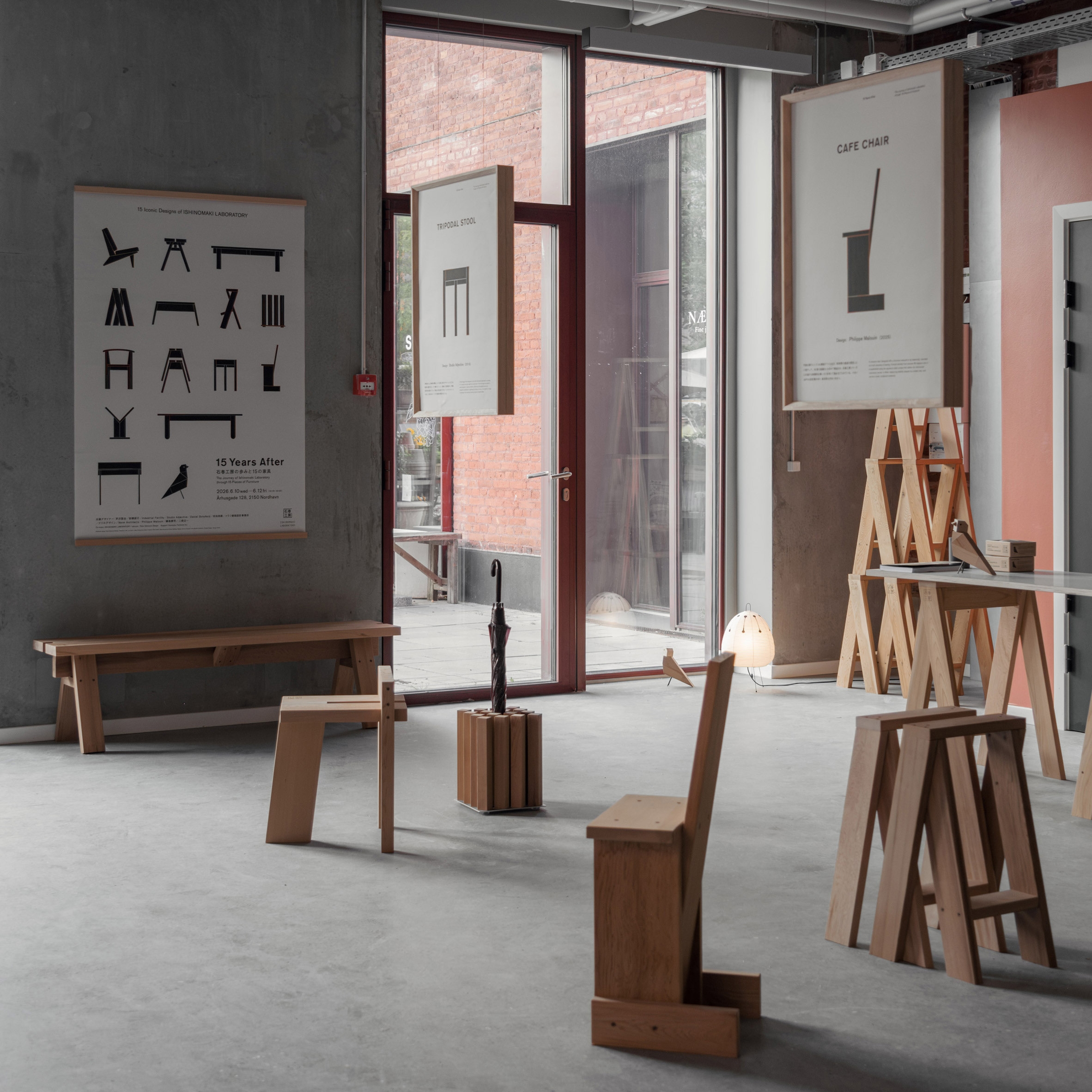
15 Years After by Ishinomaki Laboratory
Designer Keiji Ashizawa originally launched the Ishinomaki Laboratory brand in Japan's Ishinomaki City in 2011, after the area was devastated by the Great East Japan Earthquake that year.
The idea was to create a furniture brand that could be constructed by people in the area, using limited tools and materials to create everyday goods that would help the area to recover.
The 15 Years After exhibition, first shown in Tokyo earlier this year, explores how the brand has expanded since and presents 15 furniture pieces that played a significant role in its development. Ashizawa says he deliberately chose to show at 3 Days of Design rather than at Milan design week.
"I felt that 3 Days in Copenhagen was the ideal venue for explaining Ishinomaki Lab's essence and origins, as it offered a larger space and more time for detailed explanations than Milan," Ashizawa told Dezeen.
"For a small brand like ours, 3 Days is suitable because it allows for a more intimate and collaborative experience, with younger brands and designers also present, which visitors seem to enjoy."
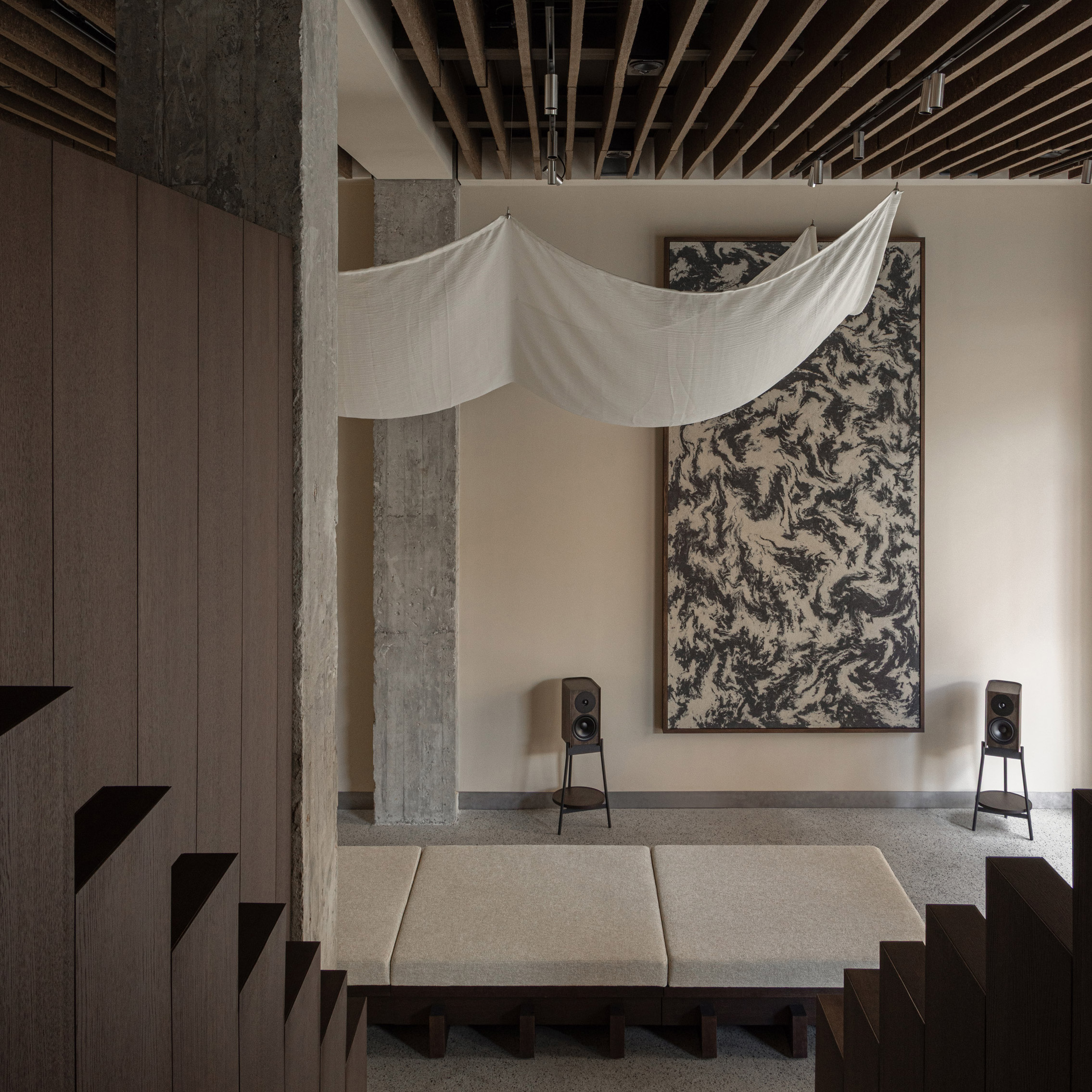
A Moving Presence Dynaudio x Karimoku Case
Located in Copenhagen's picturesque Indre By, A Moving Presence was an immersive listening experience created in Danish hi-fi brand Dynaudio's new showroom.
Here, local studio Norm Architects designed a peaceful, minimalist interior using organic materials and bespoke furniture created with Japan's Karimoku Case.
"Dynaudio works from the belief in Scandinavian engineering, marrying the sensibilities that we have in Scandinavia for tactility with precision work and milling," Norm Architects co-founder Frederik Werner told Dezeen.
"That ties in really well with Karimoku, which has a high-touch technology when it comes to furniture production, but also an amazing human touch."
Among the pieces on show were a sound bar covered in tactile wooden louvres, combined with a custom-made wooden shelf that made the sound system look like an integrated piece of the interior.
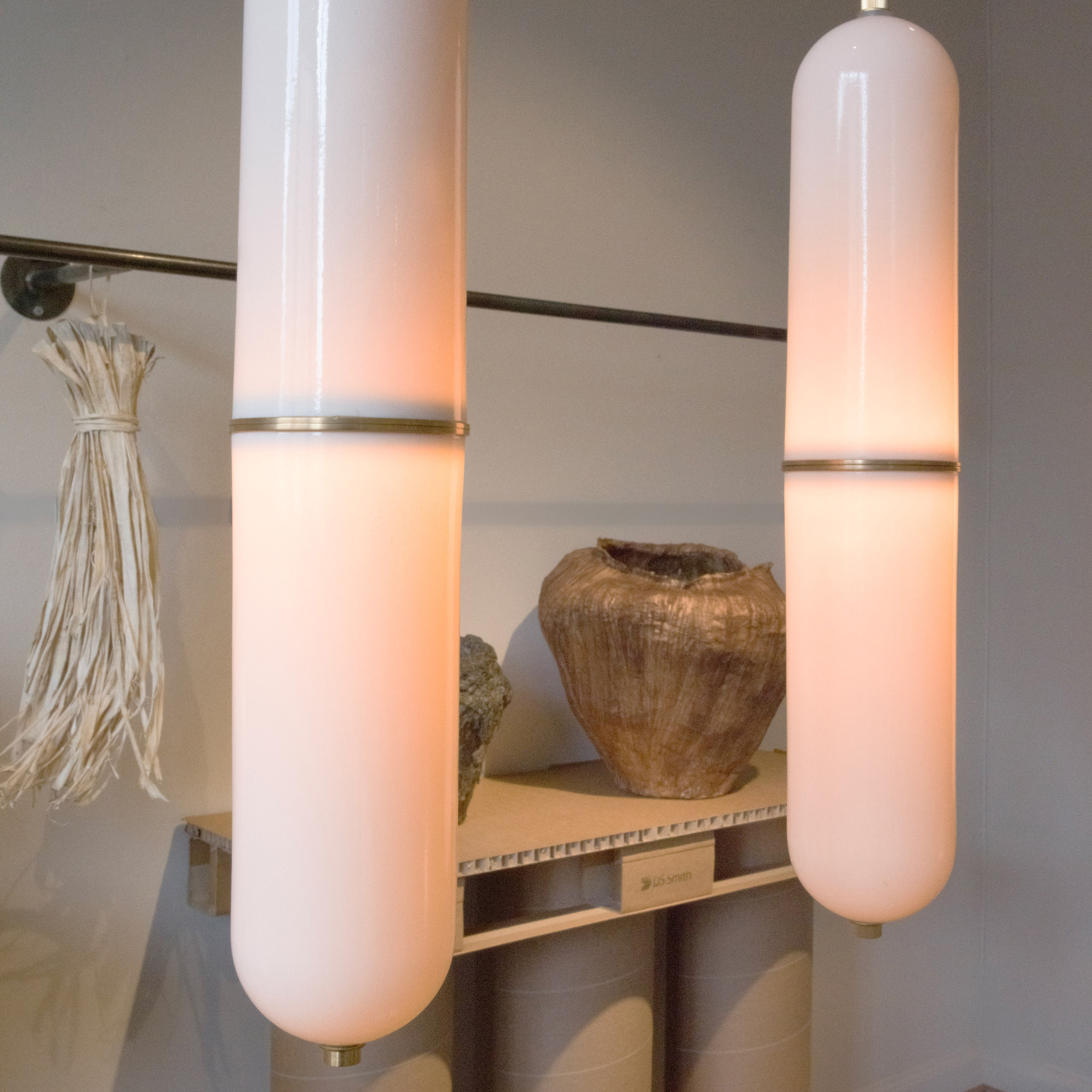
Japanmade Vol 1
Denmark's OEO Studio and Japan-based writer Jens H Jensen wanted to celebrate contemporary Japanese design and craftsmanship in this nicely displayed exhibition.
Located a bit off the beaten path, Japanmade included works by larger brands such as Karimoku, which showed its MAS sub-brand, as well as more local ones, including New Light Pottery.
The brand's co-founder, Chizu Nara, hoped showing in Copenhagen this year could help New Light Pottery become a pioneer in a new market.
"If you think about interiors, many Japanese interior brands want to have a new market in Europe," she told Dezeen. "But when it comes to lighting, not many Japanese brands have the same idea yet. That's why we want to try."
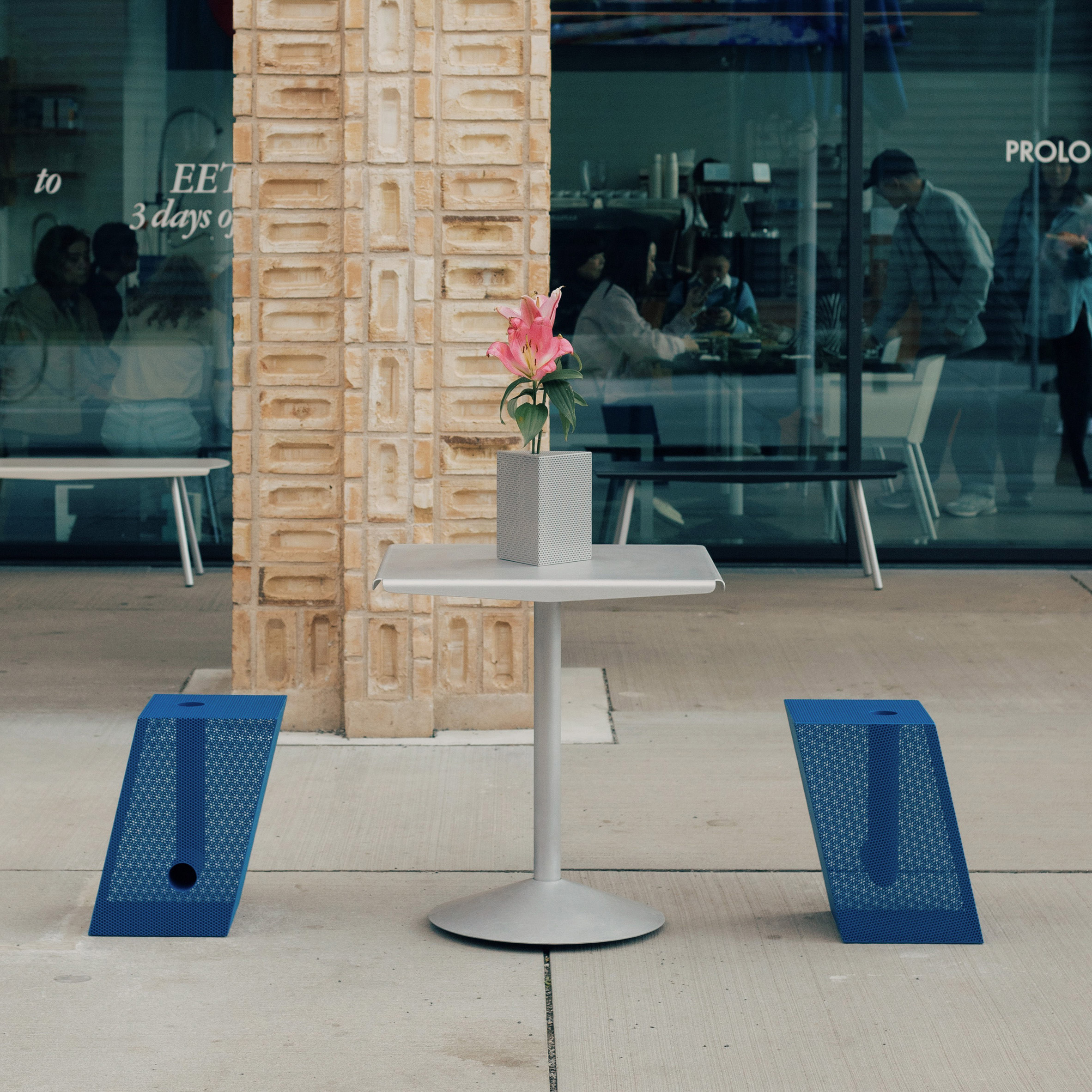
A Prologue to EETAL
Nagasaki-based metal brand EETAL Project made its international debut in Copenhagen, where it presented how multiple Japanese, South Korean and American designers had explored sheet metal.
Among the works on display were Kyoto-based Studio Monoya's Punching Block collection, featuring decorative stools and accessories made from punched metal.
Designer Siin Siin, meanwhile, showed striking tables and chairs made from aluminium sheets, while Nagasaki firm Japan Benex worked with graphic designer Ikki Kobayashi on a series of colourful bookshelves.
3 Days of Design took place from 10 to 12 June 2026 in Copenhagen, Denmark. See Dezeen Events Guide for more architecture and design events around the world.
The post Seven exhibitions that showcased Japanese design in Copenhagen appeared first on Dezeen.