











Category spotlight: Is it original art or is it giclée?
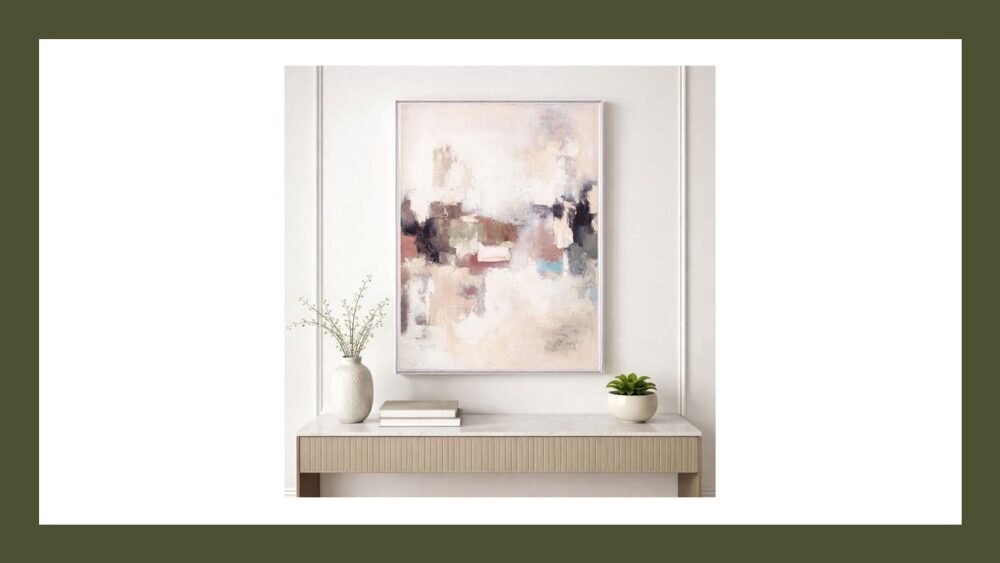
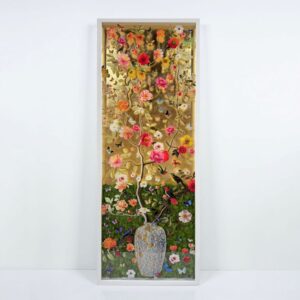
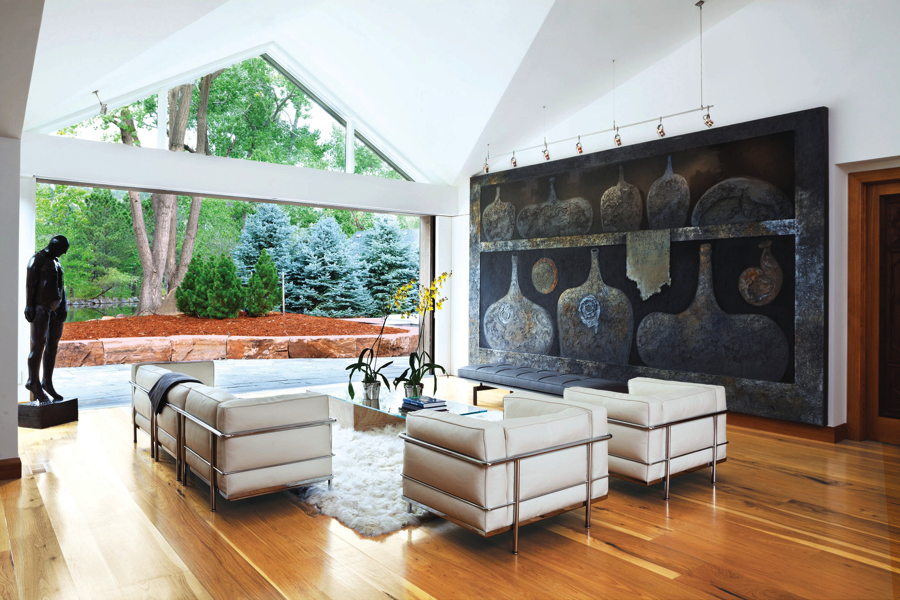
Oliver Gal features soft touches of
gold. (Photo courtesy of Oliver Gal)
Long considered the gold standard for art reproductions, giclée has become synonymous with archival quality. Giclée technology uses a high-quality inkjet print process to deliver crisp copies of original art. Because of its quality attributes, giclée has also opened the doors to a wide array of custom wall art enhancements.
“Giclée started a revolution in the art industry,” Sarah Lang, who handles sales and design for Paragon, said. “This technology marks the first time people could take control of the size and color of art reproductions.” In addition to providing a quality reproduction on a more robust selection of substrates, and allowing for true color and a range of sizes, giclée quality has also paved the way for factory-produced or hand-applied embellishments, adding texture, unique elements and brush strokes that personalize artwork even further.
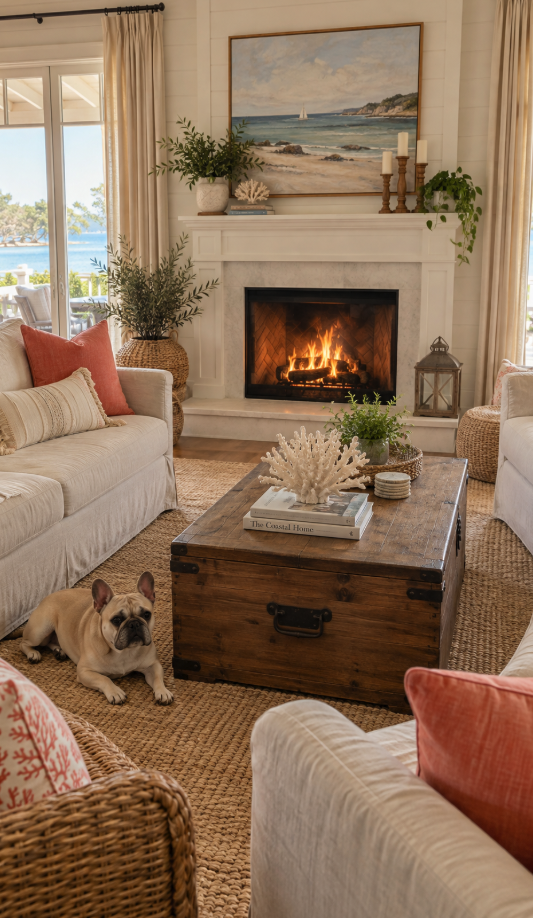
and texture add to its wall art. (Photo
courtesy of Sagebrook Home)
“The strength of the process is its ability to reproduce a wide range of styles with clarity and consistency,” said Kristin Gregory, sales and merchandising manager at Oliver Gal. “It also translates many mixed-media and painterly works successfully, especially when the goal is to retain visible brushwork, layering and subtle shifts in tone.
This is a bonus of giclée, as consumers and design professionals are increasingly looking for pieces that showcase a stronger physical presence in a room, Gregory continued. For retailers and designers, being able to offer high-quality reproductions at more competitive pricing matters.
“Giclée has become something of a buzzword, so now it’s what people want,” Edward Nader, owner of Nader’s Gallery in Shreveport, La., said. “It’s a great way to fill spaces with art if you don’t have the budget for originals.”
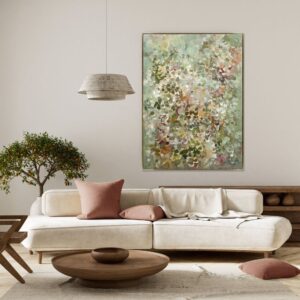
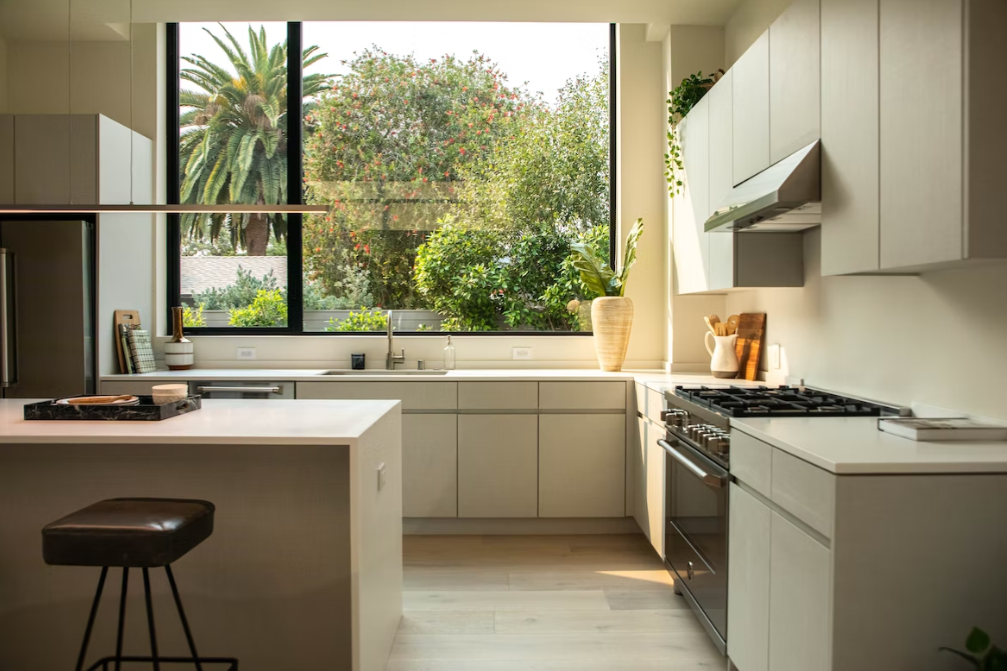
brush strokes, applied by hand, is resonating with
customers. (Photo courtesy of Streamline Art)
Nader said that while his customers focus on aesthetics before technology, knowing they have something that will last adds to the appeal. He has also seen an uptick in customers looking for texture and embellishments such as gold leaf or broad brush strokes. Giclée has given rise to that capability.
From a manufacturing perspective, giclée has allowed companies to have more control over their inventory, art substrates and how artwork
is enhanced, giving it a more “created” feel. “The ability to print raised ink or combine matte and gloss finishes on the same canvas has opened the doors to a lot of creative design,” said Gabriel Cohen, CEO at Classy Living. “Customers want as much treatment as possible. They want the pieces to look and feel hand-painted.”
Classy Living has seen an uptick in gold and silver leafing, glitter, raised brushstrokes — often hand-applied — and has recently added LED lighting to some of its pieces.
Beyond giclée
While giclée may still be considered the premium for art reproductions, newer print technologies are achieving similar results, only faster and more economically. Director of Sales and Marketing at Streamline Art Brooke Barber said that Streamline does use giclée technology but has also begun using a UV gel technology that dries and cures instantly and provides a crisp, fade-resistant reproduction that can be sharper than inkjet processes.

including the inclusion of LED light strips. (Photo courtesy of Classy Living)
This allows Streamline to print faster and use more substrates, such as linen or burlap. Plus, UV gel is more cost-effective and also allows for embellishments, something Barber said has become more important to Streamline customers.
Paragon also uses a variety of printing techniques, including giclée. “We can span different brands across price points with a variety of printer technologies,” Lang noted. “We think about how we’re treating the piece of art. Will it be embellished through the printing process or after printing.”
According to wall art suppliers, from a trend perspective, balancing the embellishments means adding to artwork without overdoing it.
“Embellishment is more sophisticated. We’re seeing gold leaf delicately placed; a clear-coat gel to give a piece movement, texture and reflect light; heavy paint lay-ups so it looks like an original or an oil painting,” Barber continued. “Our embellishments are done by hand, so no two pieces are identical.”

shown in this floral duo from Paragon. (Photo courtesy of Paragon)
Oliver Gal’s Gregory added, “The finishes seeing the strongest response are those that enhance surface interest and interact elegantly with light,” adding that these details allow a piece of art to “read less as a reproduction and more as a finished decorative object with presence.”
Embellishments continue to be a large part of enhancing artwork at Sagebrook Home as well, where the company is moving toward a mixed media approach. Michael Rull, director of visual merchandising, said that muted colors and more subtle embellishments give the art a more elevated feel.
Whether it’s the latest print technology or trends, suppliers and retailers are showcasing variation in their art offerings to appeal to all customers.
“By and large, people want artwork they can easily live with,” Nader said. “You want the art to fit even if you change the look of the house. For the long term, you want it to be timeless.”